
Tokyo Follows Bali and Others as Asia Embraces Slow Travel and Better Distributed Tourism
The way the world travels is changing, and as covered in Tokyo Follows Bali, Asian countries are embracing slow and mindful t

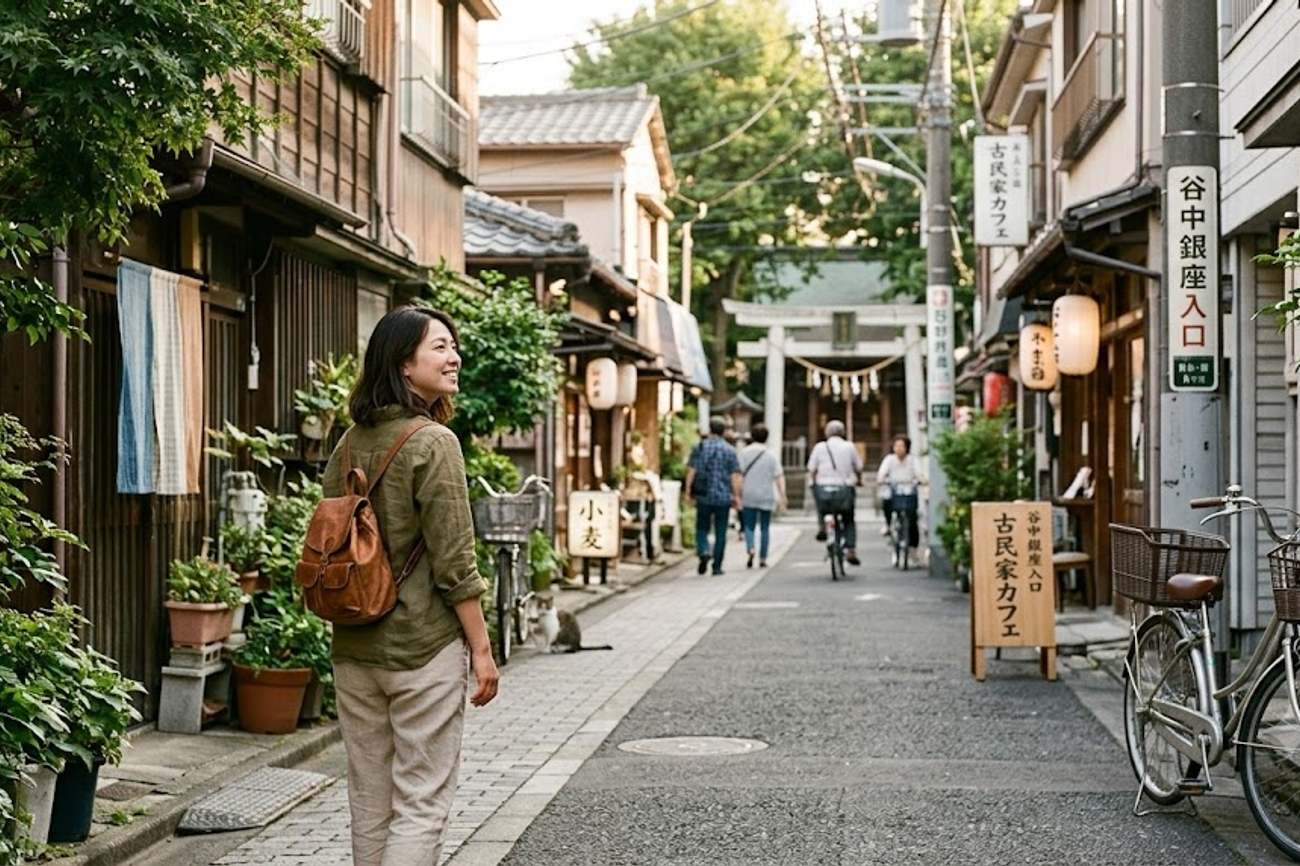
Image generated by AI
The way the world travels is changing, and as covered in Tokyo Follows Bali, Asian countries are embracing slow and mindful travel. This is a positive change, as previously, unprecedented numbers of travelers to certain locations often led to a divide between the travelers and the local communities. Local and national governments have now taken an interest in alleviating some of the negative impacts of travel, and are encouraging travelers to move beyond major destinations and to experience other aspects of local culture. This positive change means that travel can help to financially stabilize other communities, and allows for the creation of new, sustainable paths for travel and tourism.
Understanding the Monumental Paradigm Shift in Asian Tourism Dynamics
The systematic normalisation of international travel following the global pandemic has undeniably positioned the Asia Pacific region as the premier destination for cultural exploration and economic investment. However, this unprecedented resurgence brought a severe structural challenge: the rampant concentration of foreign visitors in hyper specific urban corridors. Consequently, the core narrative dominating the travel industry throughout 2025 and 2026 has been the urgent necessity to decentralise tourist footfall. This complex landscape perfectly illustrates the overarching premise that Tokyo Follows Bali and Others as Asia Embraces Slow Travel and Better Distributed Tourism. Governments are no longer measuring the success of their national tourism boards solely by raw arrival statistics; instead, they are meticulously analysing the geographical distribution of those arrivals, the longevity of their stays, and their direct financial contribution to rural economies.
This calculated transition towards sustainable tourism in Asia represents the most significant policy overhaul in the modern history of the region. From the bustling pedestrian crossings of Shibuya in Tokyo to the congested coastal arterial roads of Seminyak in Bali, the physical infrastructure of these global hubs fundamentally buckled under the immense weight of unchecked mass tourism. In response, authoritative public institutions have decisively pivoted towards models that heavily favour sustainable development, community integration, and the preservation of irreplaceable cultural heritage. The aggressive deployment of new legislative frameworks clearly demonstrates that the era of unregulated, volume driven travel is systematically being dismantled in favour of quality driven engagement.
The Climax of the Overtourism Crisis Prior to 2026
To fully comprehend the sweeping legislative changes implemented by September 2026, one must first examine the critical breaking point reached in the preceding years. Throughout 2024 and early 2025, destinations such as Kyoto in Japan and the southern peninsula of Bali in Indonesia experienced acute logistical failures. Public transportation networks became entirely inaccessible to local residents, traditional etiquette was routinely violated by transient visitors, and waste management systems were overwhelmed. This generated immense local pushback, transforming grassroots frustration into undeniable political pressure. The immediate socio-economic threat posed by these friction points forced governmental agencies to acknowledge that the traditional methodology of unrestricted destination marketing was no longer viable.
Tokyo has joined the ranks of Bali and other Asian destinations in embracing slow travel and better distributed tourism, aiming to reduce overcrowding and promote more meaningful experiences for visitors. According to the Japanese National Tourism Organization, this shift in focus is expected to benefit local communities and preserve the city's unique cultural heritage. By encouraging travelers to explore beyond popular areas, Tokyo hopes to create a more sustainable and enjoyable experience for all.
The resulting public discourse directly accelerated the implementation of stringent regulatory mechanisms. It became widely accepted across ministerial levels that without immediate, robust intervention, the very cultural assets attracting millions of international visitors would face irreversible degradation. Therefore, the strategic shift towards slow travel economic impact policies was not merely an ideological preference but an absolute infrastructural necessity aimed at restoring public harmony and safeguarding the long term viability of the tourism sector.
Japan’s Comprehensive Response to Urban Congestion
The Japanese government, spearheaded by the Ministry of Land, Infrastructure, Transport and Tourism (MLIT), has aggressively positioned the nation at the forefront of this regional revolution. The systematic implementation of Japanese overtourism policies 2026 is meticulously designed to transform the country into a genuinely sustainable tourism developed nation. Acknowledging that the extreme concentration of tourists in the Golden Route encompassing Tokyo, Kyoto, and Osaka was actively detrimental to the domestic population, the Sustainable Tourism Promotion Headquarters released a decisive policy document. This foundational blueprint outlined comprehensive measures specifically tailored to address excessive congestion, prevent etiquette violations, and attract high value visitors directly to regional, lesser known areas.
The implementation of slow travel initiatives in Tokyo will require careful planning and management of passenger logistics, including transportation and accommodation arrangements. The Tokyo Metro system will play a crucial role in facilitating the movement of travelers throughout the city, with plans to introduce new routes and services to support the dispersal of tourists. By providing convenient and efficient transportation options, Tokyo aims to make slow travel a more appealing and accessible choice for visitors.
A prominent cornerstone of this initiative is the strategic pivot away from high density motorcoach transport in favour of established railway networks. This infrastructural shift is particularly critical in historical centres like Kyoto, where the reliance on municipal buses previously led to crippling traffic congestion and immense resident dissatisfaction. Furthermore, the MLIT has aggressively championed the pilot introduction of Hands-Free Tourism. This innovative logistical service provides seamless luggage storage and immediate delivery to accommodations, effectively removing thousands of cumbersome suitcases from public transit corridors and substantially improving the daily commuting experience for local citizens.
The Strategic Role of the Japan National Tourism Organization (JNTO)
The Japan National Tourism Organization (JNTO) has completely revolutionised its global marketing strategy to align perfectly with the overarching national directive for regional dispersion. Operating under the guidelines of the Fifth Tourism Nation Promotion Basic Plan, JNTO aims to aggressively advance the sustainable development of tourism while concurrently increasing per capita visitor spending. The cornerstone of this revitalised approach is the explicit understanding that geographical diversification is the only proven method to protect the local environment, preserve ancient cultural traditions, and stimulate the rural economy simultaneously.
As Asia continues to embrace slow travel and better distributed tourism, destinations like Tokyo are turning to innovative solutions to manage the flow of tourists and minimize the impact on local environments. The Ministry of Land, Infrastructure, Transport and Tourism in Japan is working to develop and implement sustainable tourism strategies, including the use of technology to monitor and manage tourist numbers. By adopting a more thoughtful and responsible approach to tourism, Asian destinations like Tokyo are poised to become leaders in the global slow travel movement.
To achieve this, the JNTO 2026 global campaign, launched on 28th April 2026, represents a masterful pivot in demographic targeting. Moving decisively away from markets solely interested in short term metropolitan stays, the campaign actively targets high yield travellers from Europe, the Americas, and Oceania. These specific demographics are statistically proven to engage in longer itineraries, display a higher propensity for rural exploration, and exhibit greater respect for local customs. By promoting the core message that Japan is a destination where diverse appeal can be enjoyed in any season, JNTO is systematically retraining the global market to explore the nation beyond the saturated spring cherry blossom season and the crowded urban epicentres.
Statistical Milestones: Record-Breaking 2025 and 2026 Trajectories
The sheer scale of Japan’s inbound tourism recovery underscores the absolute necessity of these distributive policies. Verified official data confirms that the number of foreign visitors to Japan reached a staggering 36.87 million in 2024, before surging to an unprecedented, record breaking high of 42.68 million in 2025. This extraordinary influx translated directly into unprecedented financial gains, with total expenditure by foreign visitors reaching a monumental 9.5 trillion yen in 2025. According to the Tourism Nation Promotion Basic Plan, this immense direct spending is projected to generate a broader economic ripple effect of approximately 19 trillion yen across the Japane
FAQ: Tokyo Follows Bali and Others as Asia Em 2026
What is slow travel in Tokyo? Exploring local cultures at a relaxed pace.
How does Tokyo distribute tourism? Encouraging visits to lesser-known neighborhoods.
What are the benefits of slow travel? Supporting local economies and reducing overcrowding.
Where can I experience slow travel in Asia? Bali, Tokyo, and other emerging eco-tourism destinations.
Related Travel Guides
- Nepal Travel Confidence Surges as Country Remains Open for Global Tourists and Adventures
- Maryland Travel Triumphs as Historic State Gains Recognition Among North America’s Best Destinations
- South Korea Teams Up With Japan and More as Global Beauty Tourism Destinations Turn Skincare, Wellness and Luxury Into Must-Experience Journeys
Disclaimer
This article is for informational and educational purposes only. It does not constitute legal, financial, or professional advice. While we strive to provide accurate and up-to-date information, travel policies, regulations, and conditions change rapidly. Always verify information with official sources before making travel decisions. Nomad Lawyer makes no representations about the accuracy, reliability, completeness, or suitability of the information provided. Readers should consult qualified professionals for advice specific to their circumstances. The views expressed in this article are those of the author and do not necessarily reflect the views of Nomad Lawyer.
Naina Thakur
Contributor & Travel Specialist
Travel enthusiast and legal writer covering visa regulations, responsible tourism, and cultural journeys across global destinations.
Learn more about our team →