
Nepal Travel Confidence Surges as Country Remains Open for Global Tourists and Adventures
Nepal travel continues welcoming international visitors as authorities reaffirm that the Himalayan nation remains open for to

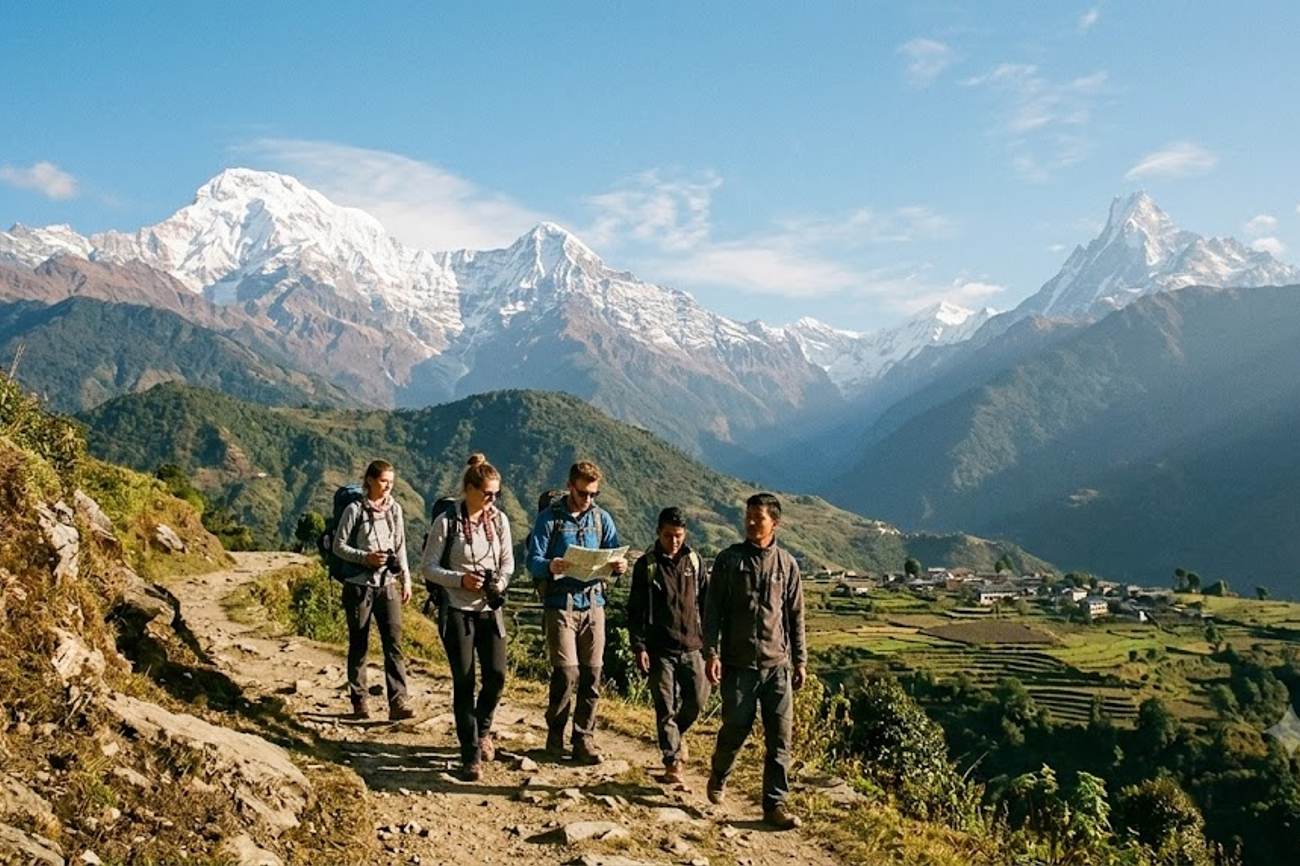
Image generated by AI
Nepal travel continues welcoming international visitors as authorities reaffirm that the Himalayan nation remains open for tourists, strengthening confidence among travellers planning mountain adventures, cultural journeys and heritage experiences. Nepal’s tourism sector continues promoting the country’s landscapes, traditions and world-famous attractions despite recent concerns affecting visitor confidence. The destination remains known for Mount Everest, ancient temples, trekking routes and diverse communities that attract travellers from around the world. From Kathmandu’s historic landmarks and Pokhara’s lakeside beauty to Himalayan trekking adventures, Nepal offers experiences that combine nature, spirituality and adventure. The country continues positioning tourism as a vital part of its economy and global identity.
Why Is Nepal Travel Remaining Open For International Visitors?
Nepal travel is maintaining strong international appeal as the country continues welcoming visitors seeking Himalayan adventures, cultural discoveries and outdoor experiences.
Recent statements from Nepal’s diplomatic representatives have emphasised that the country remains accessible for tourists and that visitors can continue travelling throughout Nepal.
The reassurance comes as tourism destinations worldwide continue focusing on maintaining traveller confidence and ensuring visitors receive accurate information before their journeys.
Nepal’s tourism identity has always been closely connected with adventure and exploration.
The country attracts trekkers, mountaineers, cultural travellers and spiritual visitors who come to experience its mountains, heritage sites and unique traditions.
Tourism remains an important economic sector for Nepal, supporting hotels, guides, transport operators, restaurants and local communities.
The continuation of international tourism highlights Nepal’s commitment to remaining a welcoming destination for travellers from across the globe.
How Important Is Tourism To Nepal’s Economy?
Tourism plays a major role in Nepal’s economic development and employment opportunities.
The sector supports millions of people directly and indirectly through hospitality, trekking services, transportation, handicrafts and local businesses.
International visitors contribute to communities across the country, including mountain regions where tourism provides important sources of income.
Nepal’s tourism model is strongly based on experiences rather than mass tourism.
Visitors often spend extended periods exploring trekking routes, cultural destinations and rural communities.
This creates economic opportunities beyond major cities and allows smaller communities to benefit from international tourism.
The government continues promoting sustainable tourism practices to protect natural resources while ensuring tourism benefits reach local populations.
Nepal's travel industry is experiencing a significant surge in confidence as the country remains open for global tourists and adventures. According to the Nepal Tourism Board, the country has taken necessary precautions to ensure the safety of visitors, including implementing health and safety protocols. This has led to an increase in tourist arrivals, with many travelers taking advantage of Nepal's unique cultural and natural attractions.
What Makes Nepal Travel A Global Tourism Attraction?
Nepal’s greatest tourism strength comes from its extraordinary combination of natural beauty and cultural heritage.
The country is home to the Himalayas, including Mount Everest, the world’s highest mountain.
Adventure travellers visit Nepal for trekking, climbing, hiking and mountain exploration.
Popular trekking regions include Everest, Annapurna and Langtang, each offering unique landscapes and cultural experiences.
Beyond mountains, Nepal provides visitors with ancient cities, religious landmarks and traditional communities.
Kathmandu Valley is recognised for its historic temples, monuments and UNESCO World Heritage Sites.
Pokhara attracts travellers through its peaceful lakes, mountain views and adventure activities.
The diversity of Nepal’s tourism experiences allows the country to appeal to different types of visitors, from adventure seekers to cultural explorers.
How Are Himalayan Adventures Driving Nepal Travel Growth?
Adventure tourism remains one of Nepal’s strongest visitor attractions.
The Himalayas provide some of the world’s most famous trekking and mountaineering experiences.
The Everest region attracts climbers and trekkers from around the world who seek extraordinary mountain journeys.
The Annapurna region is popular for its scenic trails, mountain villages and diverse landscapes.
Nepal also offers activities beyond trekking, including paragliding, rafting, wildlife experiences and mountain biking.
The country's airports, including Tribhuvan International Airport, are operating smoothly, with Tribhuvan International Airport providing up-to-date information on flight schedules and travel requirements. Passengers can easily check the status of their flights and plan their itinerary accordingly, making it easier for them to travel to and from Nepal. Additionally, airlines such as Nepal Airlines are offering special packages and discounts to attract more tourists to the country.
Adventure tourism supports local guides, accommodation providers and communities located along popular routes.
The growth of responsible adventure travel has encouraged visitors to explore Nepal while respecting local environments and traditions.
For many travellers, Nepal represents a once-in-a-lifetime destination where natural challenges and cultural connections come together.
Why Is Cultural Tourism Important For Nepal Travel?
Nepal’s cultural heritage is another major reason international visitors choose the destination.
The country is home to centuries-old traditions, religious sites, festivals and historic communities.
Kathmandu, Bhaktapur and Patan showcase remarkable architecture, temples and cultural landmarks.
Visitors can experience Nepal’s Hindu and Buddhist traditions through monasteries, festivals and spiritual sites.
Lumbini, the birthplace of Lord Buddha, attracts visitors from around the world seeking cultural and spiritual experiences.
Local communities also play an important role in Nepal’s tourism identity.
Travellers often value opportunities to experience traditional lifestyles, local cuisine and regional customs.
This cultural richness makes Nepal different from many mountain destinations.
The country offers not only dramatic landscapes but also meaningful human connections.
How Is Nepal Improving Sustainable Tourism?
Nepal’s tourism future increasingly depends on responsible and sustainable development.
The country’s natural environments, including mountains, forests and national parks, require careful protection.
For travelers planning to visit Nepal, it is essential to stay informed about the latest travel requirements and regulations. The Government of Nepal's Ministry of Culture, Tourism and Civil Aviation provides detailed information on visa requirements, travel restrictions, and health protocols, making it easier for tourists to plan their trip. By visiting the official website, travelers can ensure a smooth and hassle-free journey to Nepal, and make the most of their time in this beautiful country.
Sustainable tourism helps maintain these resources while allowing communities to benefit economically.
Visitors are encouraged to respect local cultures, follow environmental guidelines and support responsible tourism businesses.
Nepal’s protected areas provide opportunities for wildlife tourism, including experiences in national parks such as Chitwan National Park and Bardia National Park.
These destinations allow travellers to discover Nepal’s biodiversity alongside its famous mountain landscapes.
Sustainable tourism practices are becoming increasingly important as global travellers search for destinations that balance adventure with environmental responsibility.
What Can International Travellers Experience During A Nepal Holiday?
Nepal offers diverse experiences for different types of travellers.
Adventure visitors can explore trekking routes, mountain landscapes and outdoor activities.
Culture-focused travellers can discover temples, historic cities and traditional communities.
Nature lovers can explore national parks, forests and wildlife areas.
Food travellers can experience Nepalese cuisine, including regional dishes and traditional flavours.
Wellness travellers can explore meditation, yoga and spiritual experiences connected with Nepal’s cultural traditions.
The country’s diverse tourism options allow visitors to create personalised journeys.
Whether travelling for adventure, relaxation or cultural discovery, Nepal offers experiences that remain memorable long after visitors return home.
How Does Nepal Travel Support Local Communities?
Tourism pro
FAQ: Nepal Travel Confidence Surges as Country 2026
Is Nepal open for tourism in 2026? Yes, Nepal remains open for global tourists and adventures.
Do I need a visa to enter Nepal? Yes, citizens of most countries require a visa to enter Nepal.
Are trekking and adventure activities available? Yes, trekking, hiking, and other adventure activities are available.
Is travel insurance recommended for Nepal? Yes, travel insurance is highly recommended for Nepal trips.
Related Travel Guides
- Maryland Travel Triumphs as Historic State Gains Recognition Among North America’s Best Destinations
- South Korea Teams Up With Japan and More as Global Beauty Tourism Destinations Turn Skincare, Wellness and Luxury Into Must-Experience Journeys
- Goa, Kerala and More Drive India Tourism Growth as Travellers Discover Iconic Destinations Across the Country
Disclaimer
This article is for informational and educational purposes only. It does not constitute legal, financial, or professional advice. While we strive to provide accurate and up-to-date information, travel policies, regulations, and conditions change rapidly. Always verify information with official sources before making travel decisions. Nomad Lawyer makes no representations about the accuracy, reliability, completeness, or suitability of the information provided. Readers should consult qualified professionals for advice specific to their circumstances. The views expressed in this article are those of the author and do not necessarily reflect the views of Nomad Lawyer.
Preeti Gunjan
Contributor & Community Manager
A passionate traveller and community builder. Preeti helps grow the Nomad Lawyer community, fostering engagement and bringing the reader experience to life.
Learn more about our team →