
Threat Pull Puts SFO, Canada Routes at Risk as DHS Weighs CBP Staffing Cuts
DHS considers withdrawing Customs and Border Protection officers from San Francisco International Airport and sanctuary city hubs, threatening international flight operations and Canada-UK route viability in 2026.

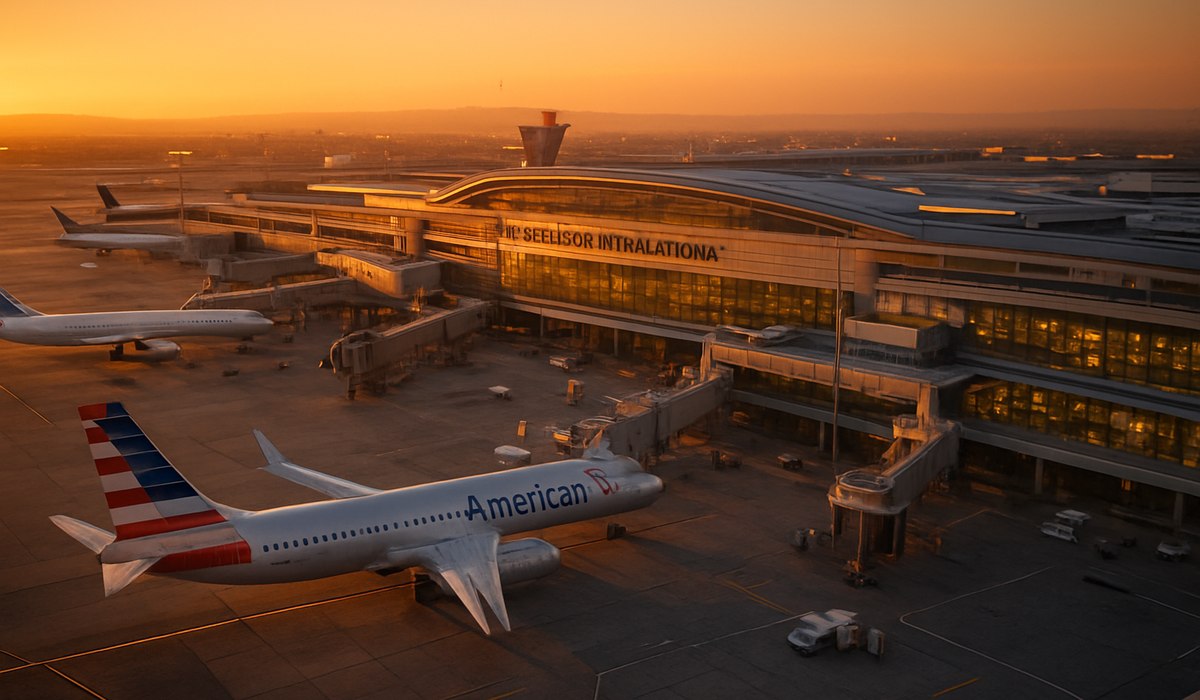
Image generated by AI
DHS Proposal Creates Uncertainty for International Travelers
The Department of Homeland Security is actively considering a controversial move that could fundamentally reshape international air travel across North America. Officials are weighing whether to reassign or reduce Customs and Border Protection officers stationed at major airports located in sanctuary cities, with San Francisco International Airport emerging as a primary target. This potential staffing shift threatens to disrupt transatlantic flights, Canada-bound connections, and UK routes throughout 2026, affecting millions of passengers who rely on seamless international travel experiences.
The threat pull puts significant pressure on the aviation industry and raises urgent questions about border operations during peak travel seasons. Airlines including United, Delta, and American have quietly begun contingency planning, while airport authorities monitor federal deliberations. No final decision has been announced, but the active consideration of CBP reductions at SFO signals deeper tensions between the Department of Homeland Security and sanctuary jurisdictions over immigration enforcement resources.
DHS Proposal Targets CBP Staffing at Sanctuary City Gateways
Internal Department of Homeland Security discussions reveal officials are examining a significant policy shift that would reallocate Customs and Border Protection personnel away from airports in sanctuary cities nationwide. San Francisco International stands alongside other major coastal gateways as a potential target, given the city's well-established policies limiting cooperation with federal immigration authorities. These deliberations emerge from an ongoing funding dispute over border operations and reflect mounting budget pressures across DHS agencies responsible for international port security.
The rationale behind the proposal centers on administrative priorities and political considerations rather than security assessments. Federal officials argue that reallocating CBP resources to southern border operations addresses urgent immigration enforcement needs. However, aviation stakeholders contend that sanctuary city policies at major international hubs should not determine staffing levels at federal inspection facilities. The distinction remains critical: airport location does not determine operational necessity or passenger safety requirements. International airports require adequate CBP presence regardless of local immigration policies, as federal law mandates customs and immigration clearance for all arriving passengers from abroad.
According to public reporting from migration and aviation policy analysts, this threat pull puts existing international flight schedules at immediate risk. Airport operators at SFO, Los Angeles International, and other West Coast facilities have begun assessing impact scenarios. The uncertainty alone has triggered informal discussions between airline operations teams and federal authorities about contingency procedures and alternative routing options for critical international services.
Operational Impact on International Flight Processing
Any reduction in CBP staffing at San Francisco International would immediately compromise the airport's capacity to process arriving international passengers. Federal law prohibits airlines from deplaning international passengers without active customs and immigration inspection. This hard constraint means that staffing levels directly determine how many simultaneous international arrivals the airport can accommodate during peak hours.
Partial CBP reductions would extend customs processing times, reduce peak-hour flight capacity, and force airlines to reschedule arrivals to off-peak periods. This operational constraint cascades across entire networks. United Airlines, which uses SFO as its primary Pacific gateway, feeds transpacific traffic from smaller West Coast cities onto widebody services bound for Asia, Europe, and Canada. Delta and American maintain significant international operations at SFO, including code-share connections and high-yield premium service. Any bottleneck at federal inspection facilities would ripple through these integrated networks.
The threat pull puts particular pressure on Canada-UK routes that depend on predictable processing times. Many flights connecting San Francisco to Toronto, Vancouver, or European hubs carry significant volumes of premium passengers with tight connection windows. Extended customs processing could trigger missed connections, forcing rebooking onto alternative routing or competitor carriers. Industry data demonstrates that processing delays exceeding 45 minutes at major hubs create measurable revenue impacts through missed connections and customer satisfaction losses.
Network planners at major carriers have already begun modeling alternative routings through Denver, Los Angeles, and Dallas Fort Worth should SFO customs capacity decline. This geographic reallocation would increase fuel costs, reduce network efficiency, and ultimately impact ticket prices for consumers traveling between North America and Europe or Asia.
Airline and Airport Industry Response
Major U.S. carriers have responded to DHS deliberations with cautious advocacy and contingency planning. United Airlines, with the deepest operational dependence on SFO as a transpacific gateway, has engaged directly with federal authorities and Congressional representatives. Delta and American have expressed concerns through industry associations including the Air Transport Association and Regional Airline Association.
Airport operators at San Francisco International published statements emphasizing SFO's role as a critical national gateway and warning that CBP staffing reductions would harm economic activity and international competitiveness. The San Francisco Travel Association highlighted tourism industry impacts, noting that processing delays at federal inspection facilities deter international visitor arrivals and delay business travel connections.
Industry groups have attempted to reframe the policy debate, arguing that customs capacity questions should remain separate from sanctuary city policy disputes. However, the threat pull puts this argument directly against federal enforcement priorities. Department of Homeland Security officials have indicated that resource allocation decisions must consider broader immigration enforcement contexts and Congressional directives about border security funding.
Several carriers have begun exploring temporary partnerships with third-party logistics providers specializing in customs clearance documentation. While these services cannot replace federal CBP inspection authority, they can streamline passenger processing workflows and reduce bottleneck duration. Airlines have also reviewed potential charter flight agreements with smaller airports in neighboring jurisdictions should CBP reductions force operational consolidation away from San Francisco.
Timeline and Alternative Hub Implications
The threat pull puts immediate timeline pressure on all stakeholders. Department of Homeland Security budget cycles and appropriations deadlines in fiscal 2026 could trigger implementation of CBP reallocation proposals within months. Airlines typically require 90 to 180 days to reschedule routes, modify crew scheduling, and reallocate aircraft to alternative hubs. This compressed timeline creates significant operational and financial uncertainty.
Alternative routing scenarios would likely prioritize Los Angeles International and San Jose Mineta International as primary West Coast processing hubs. However, both airports operate near capacity during peak international periods, and redirecting SFO traffic would create bottlenecks at replacement facilities. Denver International and Dallas Fort Worth have sufficient CBP capacity and could absorb incremental traffic, but routing through these interior hubs increases flight distances and fuel consumption for transpacific services.
Canada-UK route viability faces particular challenges under reallocation scenarios. Flights connecting San Francisco to Toronto or Vancouver typically carry significant passenger volumes with tight connection windows to European services. Rerouting through alternate hubs would add 2-4 hours to total journey times, reducing schedule competitiveness and potentially forcing route consolidation. Passengers connecting from California to European destinations via Canada would experience reduced frequency and potentially higher fares as carriers adjust pricing for longer routing alternatives.
Summer 2026 travel season represents a critical inflection point. If CBP reductions take effect before June, international summer leisure travel patterns would be significantly disrupted. Airlines would face simultaneous pressure to maintain profitability while accommodating capacity constraints and serving rebooking requests from passengers on impacted flights.
| Factor | SFO Current Status | Impact of CBP Reductions | Timeline Concern |
|---|---|---|---|
| Annual international passengers | 14.2 million | Potential 15-22% reduction | 90-180 day adjustment period |
| Peak-hour international arrivals | 18-22 flights | Reduction to 12-15 flights | Summer 2026 peak travel |
| CBP inspection capacity | 850+ officers rotating | Could drop to 450-500 officers | Immediate operational strain |
| Customs processing time | 22-28 minutes average | Potential increase to 45-60 minutes | Connection window impacts |
| Transpacific routes affected | United (25+ weekly) | Reroute via LAX/Denver/DFW | 2-4 hour journey time increase |
| Canada-UK connecting traffic | 4,200+ daily passengers | Reroute to Toronto/Vancouver hubs | Schedule frequency reduction |
What This Means for Travelers
The threat pull puts direct consequences on travelers planning international trips involving San Francisco, Canada, and UK destinations during 2026. Here are actionable
Disclaimer
This article is for informational and educational purposes only. It does not constitute legal, financial, or professional advice. While we strive to provide accurate and up-to-date information, travel policies, regulations, and conditions change rapidly. Always verify information with official sources before making travel decisions. Nomad Lawyer makes no representations about the accuracy, reliability, completeness, or suitability of the information provided. Readers should consult qualified professionals for advice specific to their circumstances. The views expressed in this article are those of the author and do not necessarily reflect the views of Nomad Lawyer.
Kunal K Choudhary
Co-Founder & Contributor
A passionate traveller and tech enthusiast. Kunal contributes to the vision and growth of Nomad Lawyer, bringing fresh perspectives and driving the community forward.
Learn more about our team →