
These 10 Fleeting Natural Wonders Only Appear Under Certain Conditions
Discover rare natural phenomena across the U.S. that only appear under specific conditions. From glowing waterfalls to vibrant wildflower super blooms, these fleeting wonders require perfect timing and planning to witness their breathtaking beauty.

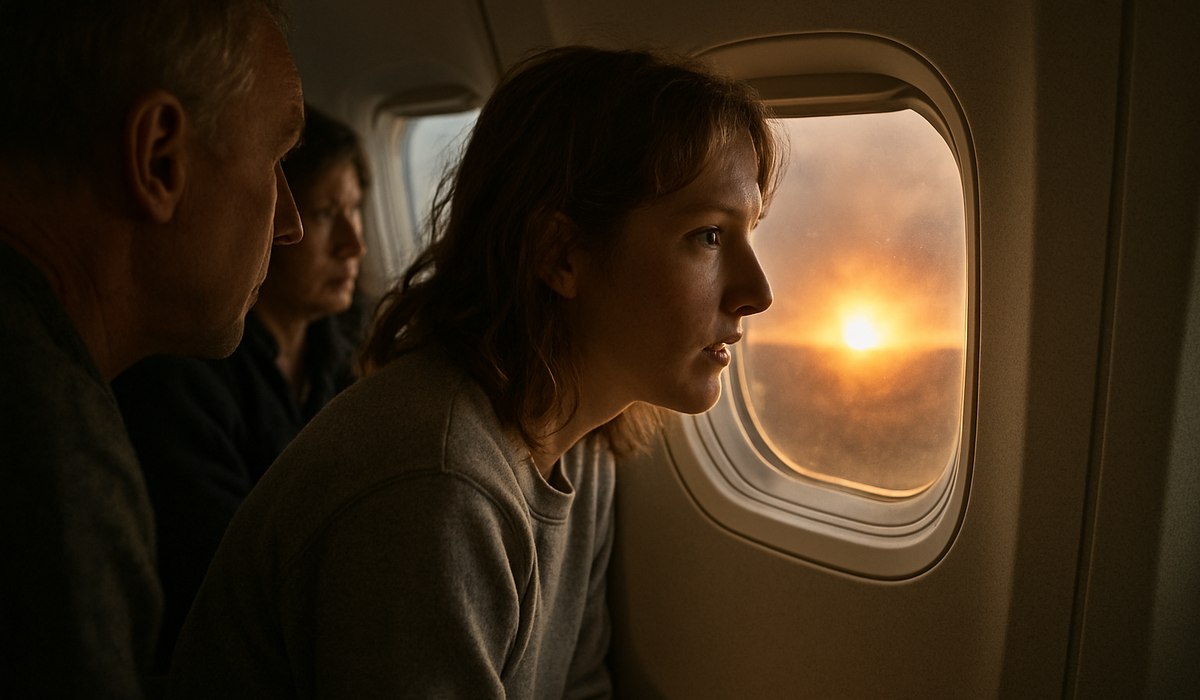
Image generated by AI
These 10 Fleeting Natural Wonders Only Appear Under Certain Conditions
The U.S. is covered in incredible natural wonders, from breathtaking waterfalls to uniquely shaped rock formations. But then, there are fleeting natural wonders in the U.S.—incredible sights that only appear under certain conditions. Like the setting sun perfectly illuminating Horsetail Fall in Yosemite National Park, causing this massive cascade to appear as falling lava, or towering Rainbow Eucalyptus trees in Hawaii shedding their bark to display vibrant neon colors, these rare natural phenomena in the U.S. are not experiences you can place near the bottom of your bucket list. They require you to get up, get going, and experience something extraordinary.
The following are 10 unique natural events in the U.S. that only happen occasionally. They are each time sensitive, breathtakingly beautiful, and worth planning a trip around.
1. Yosemite Firefall – California
Viewing Window: Mid to late February for approximately two weeks at sunset
Popularity: Extremely popular
Need to Know: This is one of the busiest times at Yosemite National Park, and viewing areas fill up quickly. Additionally, due to increased crowds, road closures, parking restrictions, and other measures are often in place, so you'll want to visit the National Park Service website for the most up-to-date information.
The Yosemite Firefall is one of the most well-known fleeting natural wonders in the U.S. In perfect conditions, the setting sun casts Horsetail Fall on El Capitan in a molten lava glow, making the massive 2,000-foot waterfall appear to tumble over the cliff wall. This sight is breathtaking, but timing is essential, as the Firefall is visible for only 10 to 15 minutes a day for approximately two weeks in February. The weather is also critical. Clear skies and no wind are essential; otherwise, this rare natural phenomenon in Northern California is not visible. Additionally, Horsetail Fall is a seasonal waterfall and relies completely on snowmelt. If the area is too cold or dry, this waterfall may not flow at all.
2. Wildflower Super Blooms – California
Viewing Window: The location and elevation affect peak viewing. The deserts and the southern California region typically bloom between February and April. Coastal and central California destinations bloom from mid-March to late April, and Northern California and the higher elevations bloom in early to mid-summer.
Popularity: Depends on your viewing location
Need to Know: These blooms can draw large crowds to popular spots, so expect heavy traffic or plan to visit on weekday mornings. Also, never walk through the blooms as this kills seedlings and prevents future blooms.
One of the most captivating seasonal natural wonders in the U.S. is the California Super Bloom. This is a botanical phenomenon when the dormant desert and coastal seeds germinate after a wet winter, creating miles of colorful wildflower blooms. Many bucket-list-worthy places throughout California offer these incredible scenes, including Joshua Tree National Park, Death Valley National Park, Point Mugu State Park, Table Mountain Ecological Reserve, and even Lassen Volcanic National Park in the summer months.
3. Death Valley's Lake Manly – California
Viewing Window: After extremely heavy rains
Popularity: Popular
Need to Know: Because of the heavy rains required to create this lake, the lake can damage roads, trails, and other park infrastructure. Also, it is essential to stay on all designated paths as footprints in the salt flats can remain visible for years.
Known as Lake Manly, the temporary lake in Death Valley only appears after heavy, record-breaking rainfall. This body of water forms in Badwater Basin, the lowest point in North America, and is typically quite shallow. However, because of the extreme heat in this area of the U.S., the water is only present for a short time, either evaporating quickly or being blown onto nearby salt flats. The sight of a shimmering lake in one of the driest and hottest places on Earth is truly extraordinary and worth the wait.
4. Bioluminescent Waters – Multiple Coastal Locations
Viewing Window: Year-round, but peak activity varies by location; typically spring and summer months
Popularity: Increasingly popular
Need to Know: Many locations require guided tours or kayaking excursions. Check local regulations and book in advance during peak seasons.
Experience the magic of glowing waters at night as bioluminescent organisms light up the ocean. Popular locations include Vieques, Puerto Rico, and certain beaches in Southern California. These dinoflagellates create an ethereal blue glow when agitated by movement, turning the water into a living constellation. This natural light show is dependent on water temperature, nutrient levels, and minimal light pollution, making it a truly rare and enchanting experience.
5. Desert Wildflower Blooms After Flash Floods – Arizona & Nevada
Viewing Window: Spring, following heavy winter or early spring rains
Popularity: Moderate to high
Need to Know: Flash floods can make roads impassable; always check road conditions before traveling. Visit after rainfall has subsided but before seeds have fully bloomed.
Following flash floods in the desert, dormant seeds spring to life, transforming arid landscapes into fields of vibrant color. The Sonoran Desert in Arizona and various locations in Nevada showcase this remarkable transformation. The combination of water and desert heat creates the perfect conditions for a spectacular bloom that may only last a few weeks.
6. Painted Hills Color Shifts – Oregon
Viewing Window: Year-round, but colors are most vibrant during morning and late afternoon light
Popularity: Moderate
Need to Know: The colors change dramatically throughout the day and with the seasons. Visit multiple times to see the full spectrum of colors this wonder has to offer.
The Painted Hills in eastern Oregon display otherworldly bands of color—reds, golds, blacks, and browns—that shift and change depending on the time of day and season. These colors result from layers of ancient volcanic ash and lava flows. While the hills are visible year-round, the intensity and brilliance of the colors are most striking during sunrise and sunset when the low-angle sunlight enhances the mineral pigments.
7. Moonbow at Yosemite – California
Viewing Window: During full moons in spring and early summer when Yosemite Falls has significant water flow
Popularity: Rare and less crowded than the Firefall
Need to Know: You'll need a clear night, a full moon, and the right angle from Yosemite Falls. Bring a tripod if you plan to photograph this phenomenon.
A moonbow is a rainbow created by moonlight rather than sunlight. This ethereal natural phenomenon can be observed at Yosemite Falls during specific conditions—a full moon, clear skies, and significant water flow. The resulting arc is much fainter than a traditional rainbow but equally mesmerizing. Witnessing a moonbow is a bucket-list experience for many nature photographers and enthusiasts.
8. Lupine Wildflower Bloom – Texas Hill Country
Viewing Window: Mid-March through mid-May, peak in late April
Popularity: Extremely popular
Need to Know: Peak bloom attracts massive crowds. Visit early morning on weekdays for the best experience. Respect private property and stay on public roads and designated viewing areas.
The Texas Hill Country transforms into a sea of purple and blue when the bluebonnets bloom in spring. Combined with Indian paintbrush and other wildflowers, this annual spectacle draws visitors from around the world. The exact timing of peak bloom depends on rainfall and temperature, making it essential to monitor conditions before planning your visit.
9. Penitentes in the High Sierra – California & Colorado
Viewing Window: Late spring through early summer at high elevations (above 12,000 feet)
Popularity: Rare and not well-known
Need to Know: Accessing these requires high-altitude hiking or mountaineering. Always check weather conditions and bring proper gear for alpine environments.
Penitentes are tall, thin blades of snow and ice that form at high altitudes in the mountains. These surreal formations occur when intense sun and wind cause differential snow erosion, creating jagged spikes that can reach several feet in height. Found in the Sierra Nevada and Rocky Mountains, penitentes are a remarkable and otherworldly sight that few people ever witness.
10. Synchronous Fireflies – Great Smoky Mountains, Tennessee
Viewing Window: Two weeks in late May through early June
Popularity: Increasingly popular
Need to Know: The National Park Service operates a lottery system for viewing areas due to the surge in popularity. Plan well in advance and register for viewing permits if required.
Unlike fireflies elsewhere in North America, the synchronous fireflies in Great Smoky Mountains National Park flash in unison, creating a hypnotic light show that resembles a living, breathing organism. This rare phenomenon occurs for only two weeks each year and is best viewed in specific coves within the park. The coordinated flashing behavior is thought to be a communication mechanism, and witnessing thousands of fireflies flashing together is truly magical.
Planning Your Fleeting Wonder Adventure
Experiencing these rare natural phenomena requires preparation, flexibility, and patience. Here are some essential tips for planning your trip:
- Monitor weather forecasts weeks in advance, especially for events dependent on specific weather conditions
- Book accommodations early, as popular viewing times can fill up quickly
- Check official park websites for the most current information on accessibility and viewing conditions
- **Arrive
Disclaimer
This article is for informational and educational purposes only. It does not constitute legal, financial, or professional advice. While we strive to provide accurate and up-to-date information, travel policies, regulations, and conditions change rapidly. Always verify information with official sources before making travel decisions. Nomad Lawyer makes no representations about the accuracy, reliability, completeness, or suitability of the information provided. Readers should consult qualified professionals for advice specific to their circumstances. The views expressed in this article are those of the author and do not necessarily reflect the views of Nomad Lawyer.
Kunal K Choudhary
Co-Founder & Contributor
A passionate traveller and tech enthusiast. Kunal contributes to the vision and growth of Nomad Lawyer, bringing fresh perspectives and driving the community forward.
Learn more about our team →