
What Happens to Retired Fighter Jets? A Look at Their Second Lives and Global Implications
Breaking airline news and aviation industry updates for 2026.

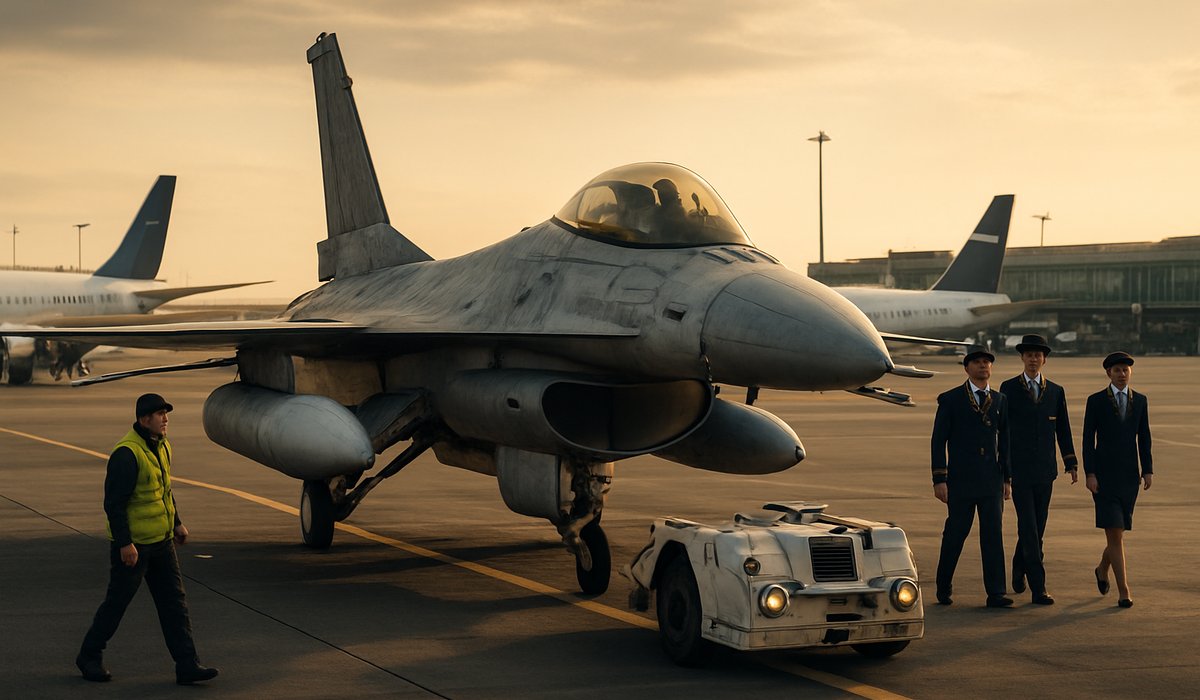
Image generated by AI
What Happens to Retired Fighter Jets? A Look at Their Second Lives and Global Implications
As militaries worldwide modernize their fleets, decommissioned combat aircraft take unexpected paths—from active service rebirth to museum monuments
The Complex Lifecycle of Decommissioned Combat Aircraft
When air forces retire their fighter jets, these sophisticated and costly machines rarely meet their end on the scrapyard. Instead, they embark on diverse trajectories that reflect geopolitical realities, military strategy, and technological obsolescence. The fate of a decommissioned fighter jet tells a broader story about global defense procurement, international relations, and how nations preserve their military heritage.
Multiple Second Lives for Aging Warbirds
Retired fighter jets routinely transition into specialized military roles that extend their operational value. Rather than complete retirement, many nations repurpose these aircraft as aerial targets, aggressor squadron assets for training, or experimental testbeds for emerging technologies. Some serve ceremonial functions as flying monuments to national defense capabilities, while others are permanently enshrined in military museums and public memorials—visual testaments to a country's aviation heritage and warfighting evolution.
The decision to preserve or redeploy a retired fighter jet depends heavily on its structural integrity, maintenance costs, and remaining operational potential. Western-designed aircraft, particularly those from American and European manufacturers, typically demonstrate superior durability metrics and extended service lifecycles compared to their counterparts, allowing for more flexible deployment options after initial retirement.
The Russian and Soviet Exception
A notable pattern distinguishes Russian and Soviet-origin fighter jets from Western alternatives. These aircraft rarely transition into service with other nations' air forces following retirement. Multiple factors contribute to this phenomenon, with structural durability and accumulated flight-hour limitations playing significant roles. Russian and Soviet fighters, while innovative and combat-proven, often exhibit reduced longevity profiles relative to comparable Western systems, constraining their viability for secondary military applications.
This disparity reflects broader engineering philosophies: Western manufacturers typically emphasize extended service life and comprehensive maintenance protocols, while Soviet-era designs prioritized immediate operational capability and cost-efficiency, potentially limiting post-retirement versatility.
Global Aviation Heritage Preservation
Museum installations and permanent memorials represent the most visible end-of-life pathway for retired combat aircraft. Nations worldwide maintain extensive collections documenting their aerial defense evolution, serving educational and commemorative functions. These preserved specimens provide invaluable historical records and public appreciation for aviation advancement and military sacrifice.
FAQ: Understanding Retired Fighter Jet Disposition
What happens to most retired fighter jets? The majority receive second lives through military repurposing, international transfers, museum preservation, or specialized roles like target drones or training assets, rather than immediate decommissioning.
Why don't Russian fighter jets transfer to other air forces? Russian and Soviet aircraft typically exhibit limited flight-hour durability and structural constraints compared to Western alternatives, reducing their appeal for secondary military deployment internationally.
Can countries sell retired fighter jets internationally? Yes, many nations transfer decommissioned aircraft through military aid programs or commercial sales, though technological restrictions and geopolitical considerations influence buyer eligibility.
How long do preserved museum fighter jets remain visible? Museum aircraft can remain exhibition pieces indefinitely if properly maintained, serving educational purposes for generations and representing permanent military heritage testaments.
What determines whether a fighter jet is preserved versus scrapped? Historical significance, remaining structural integrity, maintenance feasibility, and museum space availability primarily determine preservation decisions.
Related Travel Guides
-
US Flight Chaos: 249 Cancellations, 1,715 Delays Hit Major Airports From Denver to Miami Today
-
Miami Airport Chaos: 88 Delays and 6 Cancellations Disrupt Travel
External Resources
Disclaimer
This article is for informational and educational purposes only. It does not constitute legal, financial, or professional advice. While we strive to provide accurate and up-to-date information, travel policies, regulations, and conditions change rapidly. Always verify information with official sources before making travel decisions. Nomad Lawyer makes no representations about the accuracy, reliability, completeness, or suitability of the information provided. Readers should consult qualified professionals for advice specific to their circumstances. The views expressed in this article are those of the author and do not necessarily reflect the views of Nomad Lawyer.
Raushan Kumar
Founder & Lead Developer
Full-stack developer with 11+ years of experience and a passionate traveller. Raushan built Nomad Lawyer from the ground up with a vision to create the best travel and law experience on the web.
Learn more about our team →