
US Air Force Retires Advanced KC-10 Tanker, Transitions to Problem-Plagued Boeing Replacement
Breaking airline news and aviation industry updates for 2026.

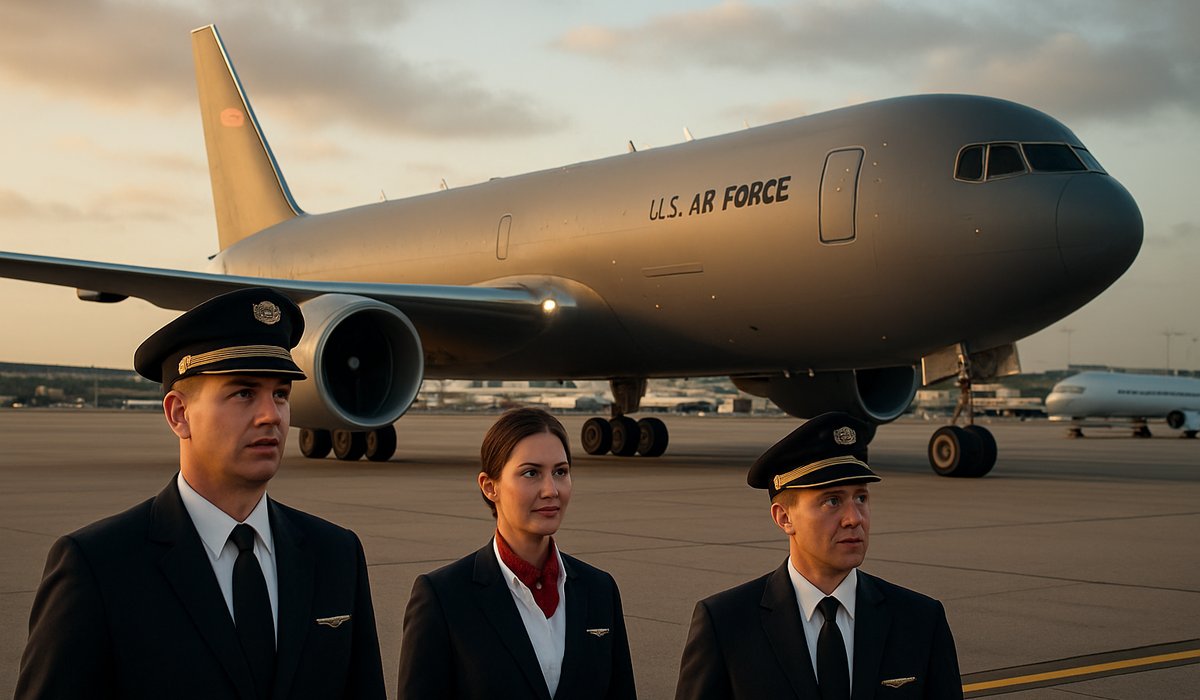
Image generated by AI
US Air Force Retires Advanced KC-10 Tanker, Transitions to Problem-Plagued Boeing Replacement
The military's shift from the legendary McDonnell Douglas Extender to the troubled KC-46 Pegasus raises serious questions about air refueling capability and defense readiness
Four Decades of Excellence End
The United States Air Force has officially retired the McDonnell Douglas KC-10 Extender, marking the end of a 43-year operational lifespan that fundamentally shaped modern aerial refueling capabilities. The three-engine tanker, which first entered service in 1981 and derived its design from the celebrated DC-10 widebody commercial aircraft, has been decommissioned and replaced by Boeing's KC-46 Pegasus—a transition that has sparked considerable debate within defense and aviation circles.
The KC-10 Extender earned widespread recognition as a force multiplier throughout its tenure, combining strategic airlift capacity with its primary aerial refueling mission. Military strategists credited the platform's cargo flexibility and exceptional fuel transfer rates as critical advantages during extended operations across multiple continents.
Replacement Hampered by Persistent Technical Issues
The successor Boeing KC-46 Pegasus, however, continues to face significant operational challenges despite over 100 aircraft already integrated into the fleet by 2026. The next-generation tanker, initially envisioned as a modern, technologically superior replacement, has been burdened by a succession of technical deficiencies that have complicated its full operational deployment.
These unresolved complications represent a substantial concern for military logistics planners, who now oversee a fleet transition during a period when global security tensions demand maximum operational readiness. The performance gap between the retirement of the proven KC-10 and the full maturation of KC-46 capabilities has created vulnerabilities in the Air Force's ability to sustain long-range military operations.
Defense Readiness Implications
The transition underscores broader challenges within aerospace procurement and the complexities of modernizing critical military infrastructure. While Boeing works to resolve outstanding technical matters, the Air Force faces operational constraints that could affect its capacity to conduct sustained global operations and maintain its strategic deterrent posture.
Industry observers note that such transitions typically require extended parallel operations to ensure continuity—a luxury the Pentagon may not fully possess given the advanced age of remaining legacy tanker assets. The situation exemplifies the delicate balance between retiring aging platforms and ensuring their successors meet operational requirements.
Frequently Asked Questions
Q: What was the KC-10 Extender's primary operational advantage? A: The KC-10 combined advanced aerial refueling capacity with strategic airlift capability, making it a versatile asset for extended military operations. Its tri-engine design derived from the commercial DC-10 provided exceptional fuel transfer rates and cargo flexibility.
Q: Why is the KC-46 Pegasus facing criticism? A: Despite over 100 aircraft entering service by 2026, the Boeing KC-46 continues experiencing unresolved technical deficiencies that have delayed full operational capability and complicated the Air Force's transition timeline.
Q: How does the KC-10 retirement affect global military operations? A: The loss of the proven KC-10 fleet while the KC-46 matures creates a potential gap in the Air Force's ability to sustain long-range global operations, particularly during periods of heightened geopolitical tension.
Q: What is the timeline for KC-46 full operational capability? A: While Boeing continues addressing technical issues, a definitive timeline for complete operational maturity remains uncertain, creating planning challenges for Air Force logistics operations.
Q: How many KC-46 aircraft are currently operational? A: Over 100 KC-46 Pegasus tankers have joined the fleet as of 2026, though technical issues continue to limit their full deployment potential.
Related Travel Guides
Flight Delay Compensation Guide 2026
Understanding Airline Route Changes
Airport Security Process Updated (2026)
External Resources
Disclaimer
This article is for informational and educational purposes only. It does not constitute legal, financial, or professional advice. While we strive to provide accurate and up-to-date information, travel policies, regulations, and conditions change rapidly. Always verify information with official sources before making travel decisions. Nomad Lawyer makes no representations about the accuracy, reliability, completeness, or suitability of the information provided. Readers should consult qualified professionals for advice specific to their circumstances. The views expressed in this article are those of the author and do not necessarily reflect the views of Nomad Lawyer.
Kunal K Choudhary
Co-Founder & Contributor
A passionate traveller and tech enthusiast. Kunal contributes to the vision and growth of Nomad Lawyer, bringing fresh perspectives and driving the community forward.
Learn more about our team →