
Delta Air Lines' Strategic Farewell to Boeing 777: A Cost-Cutting Masterstroke in Aviation's Efficiency Race
Breaking airline news and aviation industry updates for 2026.

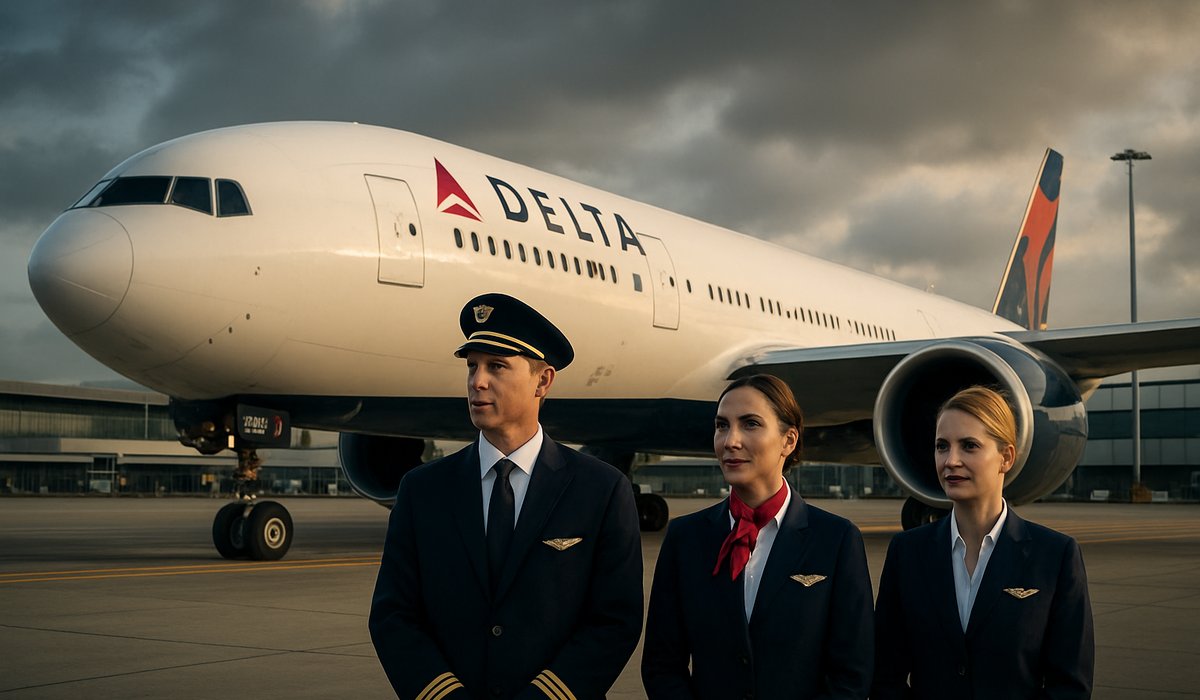
Image generated by AI
Delta Air Lines' Strategic Farewell to Boeing 777: A Cost-Cutting Masterstroke in Aviation's Efficiency Race
The carrier's 2020 fleet retirement decision reveals how major airlines are reshaping operations to compete in volatile fuel and labor markets
The Boeing 777 Exit: Why Delta Pulled the Plug
Delta Air Lines has quietly eliminated an aircraft type that remains the workhorse of long-haul operations across the global aviation industry: the Boeing 777. The carrier's decision to retire its entire Triple-Seven fleet in 2020 initially puzzled industry observers, given that over 1,700 of these wide-body jets continue flying with major carriers worldwide. Yet the Atlanta-based airline's move proved strategically sound—a calculated response to shifting economics in commercial aviation.
The Boeing 777, renowned for its reliability and passenger capacity, has long been a favorite among international operators. However, Delta determined that maintaining the aging wide-body aircraft no longer aligned with its operational efficiency targets and cost management priorities.
Operational Economics and Fleet Modernization
Delta's decision reflects broader industry trends reshaping how major carriers approach aircraft acquisitions and retirements. The airline operates a mixed fleet of Boeing and Airbus models, but the 777 represented an aging asset vulnerable to rising maintenance costs and fuel inefficiencies as jet fuel prices fluctuate with geopolitical conditions.
By shedding the 777s, Delta accelerated its transition toward newer, fuel-efficient aircraft that reduce operational expenses during periods of volatile energy markets. This strategic repositioning also streamlines maintenance protocols across the carrier's mainline operations, lowering overhead costs that ultimately affect airline fees, baggage charges, and ancillary revenue structures.
Industry Context: Fleet Modernization as Competitive Advantage
The broader aviation industry has witnessed similar fleet restructuring decisions from major carriers adapting to economic pressures. Airlines operating aging wide-body fleets face considerable pressure to retire less efficient aircraft, particularly as environmental regulations tighten and fuel surcharges become routine components of ticket pricing.
Delta's move underscores how American carriers are leveraging fleet modernization as a competitive weapon—replacing older equipment with newer generation aircraft that command premium seating configurations, improved fuel economy, and reduced turnaround times on popular international routes.
Looking Forward
The retirement of Delta's 777 fleet represents no regrets for the carrier. By making the decisive break with aging aircraft, Delta positioned itself to optimize route profitability, manage labor negotiations around modern equipment, and maintain competitive positioning against rivals like United Airlines and American Airlines, both maintaining sizable wide-body fleets.
FAQ: Delta, Boeing 777 Fleet Retirements, and Aviation Economics
Q: When did Delta Air Lines retire its Boeing 777 fleet? A: Delta completed the retirement of its entire Boeing 777 fleet in 2020, marking a significant fleet modernization milestone.
Q: How does aircraft retirement affect airline fees and baggage charges? A: Newer aircraft require lower maintenance costs and fuel expenses, allowing carriers to adjust pricing strategies and ancillary charges more competitively.
Q: Is the Boeing 777 still widely used in commercial aviation? A: Yes—over 1,700 Boeing 777s have been built and continue operating with international and domestic carriers globally, despite its age.
Q: Why do airlines retire aircraft earlier than their serviceable lifespan? A: Operational economics, fuel efficiency standards, maintenance costs, and competitive pressures encourage carriers to modernize fleets with newer, cost-effective aircraft.
Q: How does jet fuel price volatility influence aircraft retirement decisions? A: Rising fuel costs make aging, less-efficient aircraft economically untenable, incentivizing carriers to accelerate retirements in favor of modern, fuel-efficient models.
Related Travel Guides
Flight Delay Compensation Guide 2026
Understanding Airline Route Changes
Airport Security Process Updated (2026)
External Resources
Disclaimer
This article is for informational and educational purposes only. It does not constitute legal, financial, or professional advice. While we strive to provide accurate and up-to-date information, travel policies, regulations, and conditions change rapidly. Always verify information with official sources before making travel decisions. Nomad Lawyer makes no representations about the accuracy, reliability, completeness, or suitability of the information provided. Readers should consult qualified professionals for advice specific to their circumstances. The views expressed in this article are those of the author and do not necessarily reflect the views of Nomad Lawyer.
Preeti Gunjan
Contributor & Community Manager
A passionate traveller and community builder. Preeti helps grow the Nomad Lawyer community, fostering engagement and bringing the reader experience to life.
Learn more about our team →