
Boeing 777-8F Freighter Emerges as New Industry Standard, Sidelining Legacy 747 Cargo Aircraft
Breaking airline news and aviation industry updates for 2026.

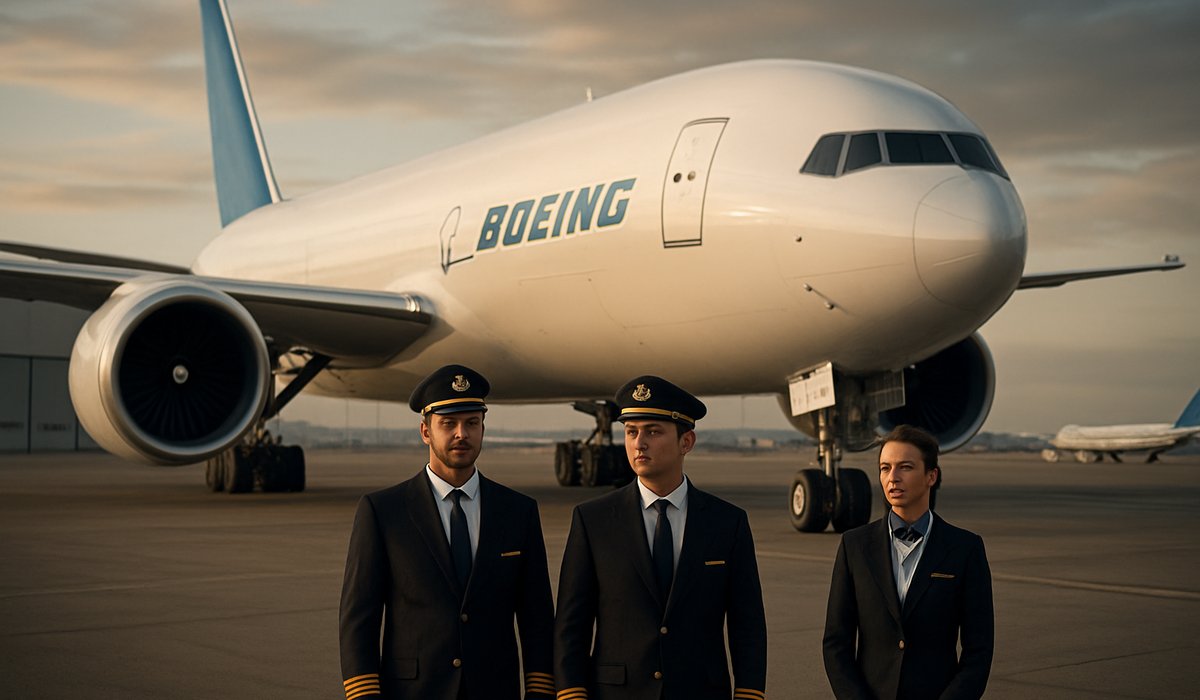
Image generated by AI
Boeing 777-8F Freighter Emerges as New Industry Standard, Sidelining Legacy 747 Cargo Aircraft
Advanced manufacturing underway as cargo operators bet big on next-generation wide-body freighter
The New Workhorse Takes Flight
Boeing's latest wide-body freighter variant is rapidly becoming the aviation industry's answer to aging cargo infrastructure, with the manufacturer now assembling its first production unit at its Everett facility. The 777-8F has secured 68 firm orders from international carriers, positioning itself as the successor to the iconic but aging 747 freighter in global air cargo operations.
The aircraft represents a significant shift in how the world's airlines and dedicated cargo carriers approach freight transportation, capitalizing on modern fuel efficiency and payload capacity that older wide-body freighters cannot match.
Strong Early Demand Signals Market Shift
Launched in 2022 with Qatar Airways Cargo as its launch customer, the program has rapidly expanded its order book across multiple continents. Major operators including Cargolux, Korean Air, Lufthansa Cargo, and Silk Way West have committed to the aircraft, with additional carriers across Asia, Europe, and the Middle East joining the order queue.
This international momentum reflects broader industry trends: rising jet fuel prices, pressure to reduce aviation emissions, and the explosive growth of e-commerce logistics have compelled cargo operators to retire older, less efficient freighters in favor of newer platforms.
Why the 777-8F Matters for Global Supply Chains
The 777-8F addresses critical pain points in modern cargo operations. Its advanced design delivers superior fuel economy compared to the 747-400F and 747-8F variants still operating globally, translating to measurable cost savings amid volatile oil markets. The aircraft also offers increased payload capacity and range flexibility, essential for carriers navigating post-pandemic supply chain complexity and unpredictable shipping demands.
For Boeing, the program provides crucial commercial momentum at a time when its flagship 777X passenger variant faces prolonged certification hurdles. The freighter variant offers more predictable revenue streams and simpler regulatory pathways.
Industry Implications and Timeline
With first assembly underway, Boeing expects initial deliveries within the coming years. Industry analysts suggest the 777-8F could dominate new-build freighter orders through the 2030s, particularly as older wide-body aircraft face retirement cycles and environmental regulations tighten globally.
The shift underscores a fundamental transformation in cargo aviation: operators are moving decisively away from legacy platforms toward fuel-efficient, digitally integrated wide-body freighters capable of operating profitably in an era of high operating costs.
Frequently Asked Questions
Q: When will the first 777-8F freighter be delivered? A: Boeing is currently in advanced final assembly, with deliveries expected within the next few years, though specific timelines remain subject to certification and production ramp-up schedules.
Q: How does the 777-8F compare to the 747-8F freighter? A: The 777-8F offers superior fuel efficiency, reduced operating costs, and comparable or greater payload capacity, making it more economical for modern cargo operations amid rising jet fuel prices.
Q: Which airlines have ordered the 777-8F? A: Launch customers include Qatar Airways Cargo, Cargolux, Korean Air, Lufthansa Cargo, and Silk Way West, with additional carriers across Asia, Europe, and the Middle East.
Q: Why is cargo aviation shifting to newer wide-body aircraft? A: Rising fuel costs, e-commerce logistics demand, environmental regulations, and aging fleet retirements are driving operators to invest in modern, fuel-efficient freighters.
Q: Will the 747 freighter become obsolete? A: Existing 747-400F and 747-8F aircraft will continue operating for years, but new-build orders are expected to shift predominantly toward the 777-8F and other modern alternatives.
Related Travel Guides
Flight Delay Compensation Guide 2026
Understanding Airline Route Changes
Airport Security Process Updated (2026)
External Resources
Disclaimer
This article is for informational and educational purposes only. It does not constitute legal, financial, or professional advice. While we strive to provide accurate and up-to-date information, travel policies, regulations, and conditions change rapidly. Always verify information with official sources before making travel decisions. Nomad Lawyer makes no representations about the accuracy, reliability, completeness, or suitability of the information provided. Readers should consult qualified professionals for advice specific to their circumstances. The views expressed in this article are those of the author and do not necessarily reflect the views of Nomad Lawyer.
Kunal K Choudhary
Co-Founder & Contributor
A passionate traveller and tech enthusiast. Kunal contributes to the vision and growth of Nomad Lawyer, bringing fresh perspectives and driving the community forward.
Learn more about our team →