
Boeing 777X Test Fleet Grounded Over Critical Structural Failure: What Went Wrong
Breaking airline news and aviation industry updates for 2026.

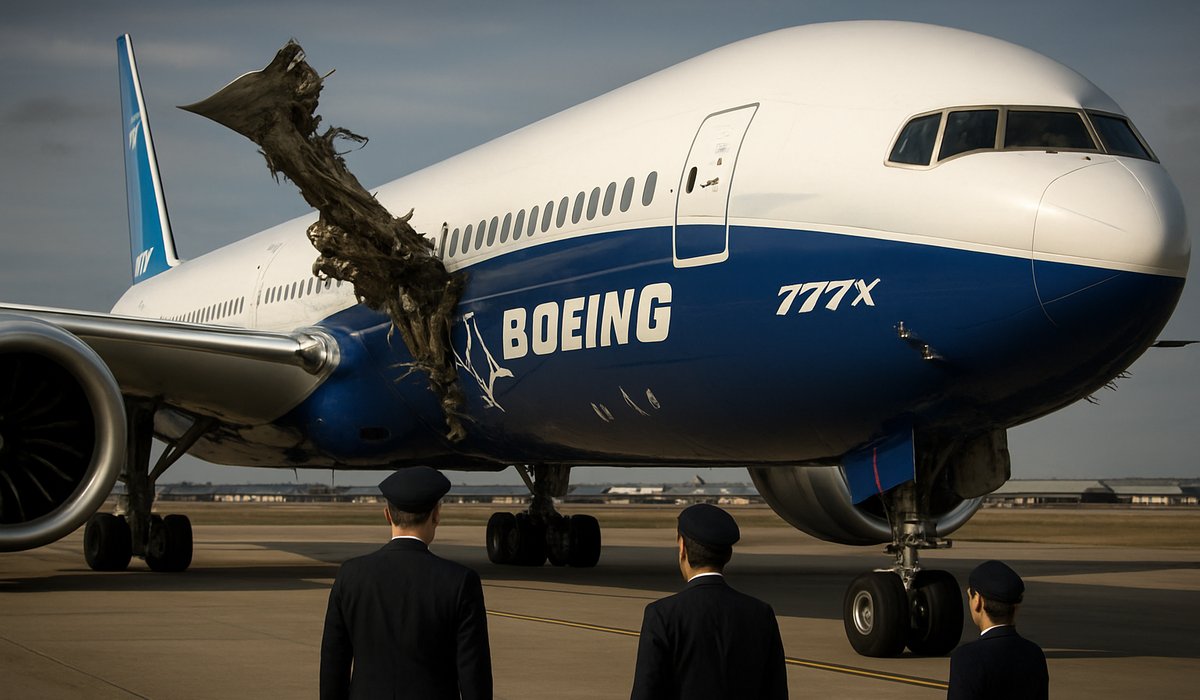
Image generated by AI
Boeing 777X Test Fleet Grounded Over Critical Structural Failure: What Went Wrong
A microscopic component breakdown during routine Hawaii testing exposes engineering vulnerabilities in aviation's most anticipated widebody aircraft
Critical Component Failure Triggers Industry-Wide Alarm
Boeing initiated an unprecedented grounding of its entire 777-9 test aircraft fleet in August 2024 following the discovery of a severed thrust link on one of its developmental airframes. The structural failure, identified on test vehicle WH003 after a standard flight transit originating from Hawaii, has sent shockwaves through the aviation manufacturing sector and raised serious questions about the aircraft's readiness for commercial deployment.
The thrust link—a seemingly minor but structurally vital component—fractured during routine testing operations, prompting Boeing engineers to conduct a comprehensive inspection across all active 777-9 test specimens. The discovery forced the company to halt all flight testing activities while investigations into the root cause of the failure commenced.
Implications for Launch Carriers and Delivery Schedules
The grounding carries significant ramifications for major international carriers anxiously awaiting aircraft deliveries. Lufthansa and Emirates, among the program's launch customers, face further delays in their fleet modernization plans. Emirates alone has committed to ordering 115 777-9 aircraft, making this setback particularly consequential for the carrier's long-haul capacity expansion strategy.
The 777-9, Boeing's flagship wide-body offering, represents the manufacturer's most technologically advanced commercial aircraft. With anticipated fuel efficiency improvements and extended range capabilities designed for ultra-long-haul operations, the aircraft has attracted orders worth billions in global aviation markets.
Engineering Scrutiny and Investigation Process
The failure of such a precision-engineered component during what should have been routine testing underscores the unforgiving nature of modern aircraft certification. Boeing's engineering teams must now determine whether the structural weakness represents an isolated manufacturing defect or a systemic design vulnerability requiring broader modification across the entire 777-9 production line.
The investigation process typically involves stress analysis, material examination, and comparative testing across sister aircraft to establish whether design specifications adequately account for real-world flight stresses and operating conditions.
Broader Industry Impact and Recovery Timeline
The incident arrives during a challenging period for Boeing, which faces heightened regulatory scrutiny and public confidence concerns. For the aviation industry at large, the grounding highlights the rigorous—and sometimes protracted—certification procedures required before next-generation aircraft can enter commercial service.
Industry analysts estimate the investigation and remediation process could extend testing timelines by several months, potentially pushing initial 777-9 deliveries further into 2025 and beyond.
FAQ: Boeing 777X Testing Delays and Implications
Q: Why did Boeing ground its entire 777-9 test fleet? A: A thrust link component fractured on test aircraft WH003 following a routine flight from Hawaii in August 2024, prompting Boeing to halt all testing and inspect the entire fleet for similar structural vulnerabilities.
Q: Which airlines are affected by 777-9 delivery delays? A: Lufthansa, Emirates, and other launch customers face postponed delivery schedules. Emirates has ordered 115 aircraft, making it particularly impacted by extended testing timelines.
Q: What is a thrust link and why is it critical? A: The thrust link is a structural component that manages engine forces during flight. Its failure compromises aircraft structural integrity and safety during high-stress operations.
Q: How long will the 777-9 remain grounded? A: Investigation timelines vary, but industry experts anticipate several months of testing and analysis before flight operations resume, potentially delaying commercial deliveries into 2025 or beyond.
Q: Does this failure affect other Boeing aircraft models? A: Current information suggests the issue is specific to 777-9 testing aircraft. However, Boeing will conduct thorough comparative analysis across its fleet to ensure no widespread design vulnerabilities exist.
Related Travel Guides
Flight Delay Compensation Guide 2026
Understanding Airline Route Changes
Airport Security Process Updated (2026)
External Resources
Disclaimer
This article is for informational and educational purposes only. It does not constitute legal, financial, or professional advice. While we strive to provide accurate and up-to-date information, travel policies, regulations, and conditions change rapidly. Always verify information with official sources before making travel decisions. Nomad Lawyer makes no representations about the accuracy, reliability, completeness, or suitability of the information provided. Readers should consult qualified professionals for advice specific to their circumstances. The views expressed in this article are those of the author and do not necessarily reflect the views of Nomad Lawyer.
Raushan Kumar
Founder & Lead Developer
Full-stack developer with 11+ years of experience and a passionate traveller. Raushan built Nomad Lawyer from the ground up with a vision to create the best travel and law experience on the web.
Learn more about our team →