
Thailand’s Phuket Unveils New Wellness Tourism Era With Prestigious Canadian Travel Award 2026
Thailand’s Phuket Unveils New Wellness Tourism Era With Prestigious Canadian Travel Award 2026

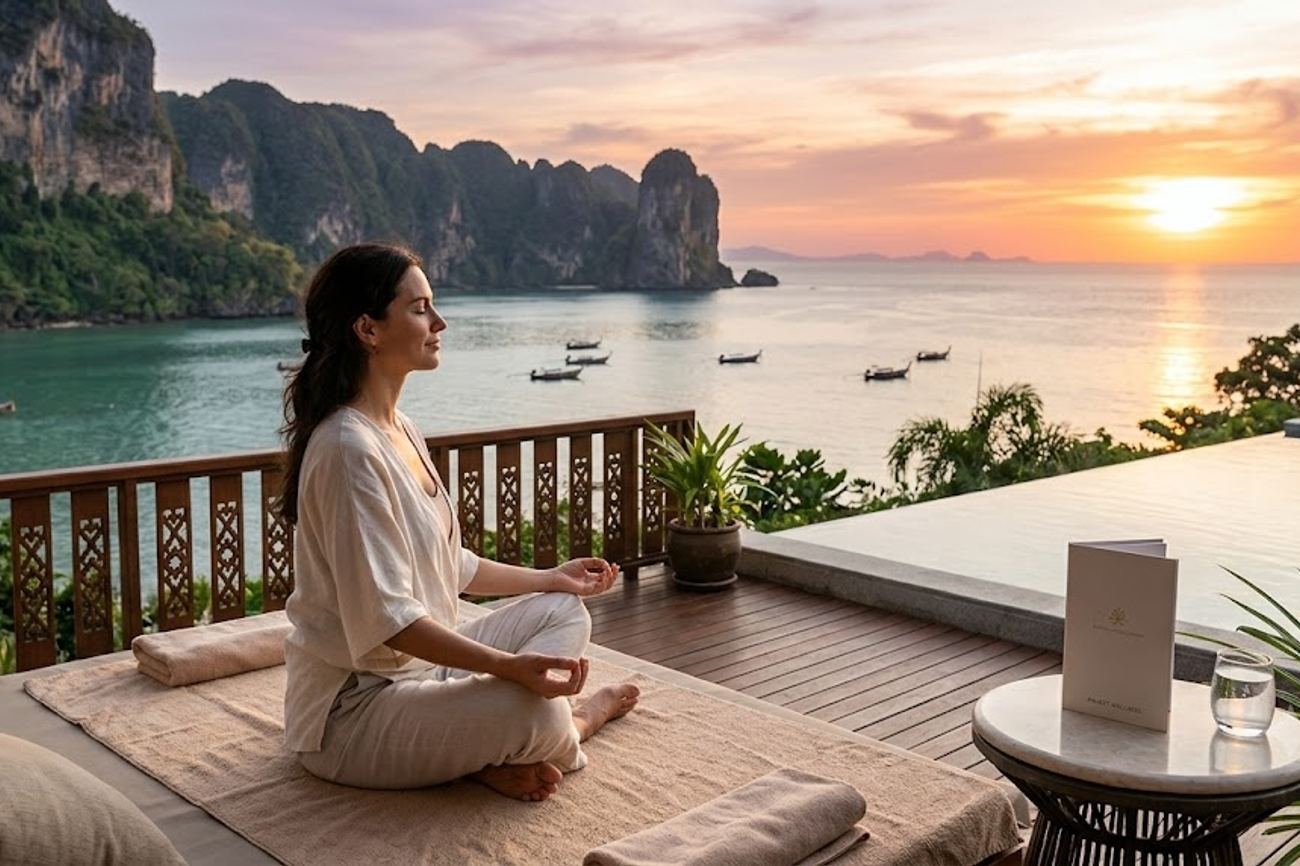
Image generated by AI
More than 1.3 million Canadian travelers cast their votes in 2026 to crown Phuket as the premier global destination for wellness. While many view the island as a hub for nightlife and beaches, this massive shift in preference reveals that the world's most discerning long-haul travelers are now treating the island as a sanctuary for physical and mental restoration.
The Shift Toward High-Value Healing in Phuket
The traditional image of Phuket is evolving. On 22 September 2026, during the Air Canada Vacations Toronto Product Launch, the island was officially recognized in the Wellness category of the Travellers’ Top Picks Awards. This isn't just a trophy for a tourism board; it represents a fundamental change in how the island is being consumed. We are seeing a move away from "checklist tourism"—where visitors hit the same five landmarks—toward a value-led strategy that prioritizes longevity, health, and deep cultural immersion.
For the local community, this shift is a welcome relief from the volatility of mass tourism. Wellness travelers typically stay longer and spend more, but they do so with a smaller environmental footprint. The island has transitioned from being a mere beach destination into a sophisticated ecosystem of holistic health. This includes everything from high-end medical wellness clinics and detox retreats to traditional Thai massage schools and forest bathing experiences. The goal is no longer just to attract the most people, but to attract the right people: those who seek a genuine connection with the land and their own wellbeing.
What Makes Phuket’s Wellness Scene Unique
Phuket occupies a rare intersection of luxury infrastructure and ancient healing traditions. Unlike the sterile environment of a Western medical spa, wellness here is rooted in the philosophy of balance. You will find world-class fitness centers and bio-hacking labs sitting alongside practitioners of traditional Thai medicine who use herbs gathered from the island's own jungles.
The island's geography plays a vital role in this. The contrast between the salt-heavy air of the Andaman coast and the humid, oxygen-rich canopy of the interior highlands allows for a variety of "healing zones." Travelers can spend their mornings in high-intensity fitness programs and their afternoons in silent meditation overlooking the ocean. This duality is why the island has become a magnet for the Canadian market. According to the Tourism Authority of Thailand, 180,510 Canadians visited between 1 January and 21 September 2026. This represents a 2.35% increase over the same period in 2025, positioning Canada as Thailand’s ninth-largest long-haul source market.
To truly experience this, one must look beyond the resort walls. The authentic wellness of Phuket is found in the local wat (temple) gardens and the small-scale organic farms that supply the island's luxury retreats. By integrating nature, culture, and modern science, Phuket has created a product that feels both indulgent and restorative. You can explore the official guidelines for visiting the region via the Tourism Authority of Thailand, which provides deeper insights into the island's diverse provinces.
Visitor Insider Tips
If you are heading to Phuket for a wellness journey, ignore the generic brochures and follow these local rhythms:
Timing Your Visit To avoid the oppressive humidity and the heaviest crowds, aim for the window between November and February. However, for those seeking true solitude and lower prices, the "shoulder" months of May and June offer lush, green landscapes and empty beaches, provided you don't mind a few tropical afternoon showers.
The "Local" Wellness Route Avoid the overly commercialized spas in Patong. Instead, head toward the Rawai or Kamala areas. Here, you will find boutique retreats that focus on "slow travel." Seek out traditional Thai massage practitioners who are certified by the government but operate out of small, family-run shophouses—these are often more authentic and therapeutic than the gold-leafed hotel spas.
Dining for Longevity While the luxury resorts offer curated wellness menus, the real nutrition is found in the local markets. Look for Nam Prik (chili pastes) and fresh papaya salads, but ask for "mai pet" (not spicy) if you aren't accustomed to the heat. Focus on the abundance of local turmeric and ginger, which are staples of Thai anti-inflammatory diets.
Transport Hacks Ditch the expensive private taxis. For a more authentic and affordable way to navigate the island's hills, use the Grab app or rent a scooter—but only if you are an experienced rider. For longer trips to the interior jungles, hiring a local driver for a full day is the most efficient way to reach the remote meditation centers.
Cultural and Environmental Context
The rise of wellness tourism is a double-edged sword for Phuket. On one hand, it drives the preservation of traditional Thai medicine and encourages the protection of the island's natural forests, as these are now viewed as economic assets for "nature therapy." When visitors pay a premium for a forest retreat, there is a direct financial incentive for the local government to prevent urban sprawl into the highlands.
However, the influx of high-value travelers puts pressure on local resources, particularly water. The luxury villas and sprawling spa complexes required for wellness tourism consume significantly more water than traditional housing. There is an ongoing tension between the "luxury" aspect of these retreats and the sustainability of the island's aquifer.
Furthermore, there is a delicate balance between the commodification of spirituality and genuine practice. As meditation and mindfulness become "products" for the global market, there is a risk that the sacred nature of these practices is lost. To ensure your visit is respectful, always dress modestly when visiting temples and avoid treating spiritual practitioners as service staff. For those interested in the broader preservation of Thai heritage, the UNESCO World Heritage Centre offers context on how Thailand manages its cultural landmarks amidst growing tourism.
FAQ: Visiting Phuket 2026
What is the best time to visit for wellness? The peak season from November to February offers the best weather for outdoor activities. However, May and June are ideal for those seeking a quieter, more meditative experience with lower costs and lush scenery.
Do I need a visa to visit Thailand? Visa requirements vary by nationality. Canadian citizens typically enjoy visa-exempt entry for tourism for a limited period, but you should always check the latest regulations via the Thai Embassy before booking.
How do I get to Phuket from major hubs? Most international travelers fly into Phuket International Airport (HKT). From there, you can take a licensed airport taxi or a pre-booked shuttle to your resort. For those coming from Bangkok, short-haul domestic flights are the fastest option.
Is Phuket safe for solo wellness travelers? Yes, Phuket is generally very safe for solo travelers. The wellness community is welcoming, and the infrastructure is well-developed. Using ride-sharing apps and staying in reputable retreats provides an extra layer of security and support.
Leave the itinerary behind and let the rhythm of the Andaman coast dictate your recovery.
Related Travel Guides
- Cambodia Bets on a New Airport and Green Season Tourism to Bring Visitors Back to Angkor
- Portugal Tourism Showcases Lisbon and Porto Cultural Attractions with Cooler Indoor Discoveries for Travellers
- Chile’s Tierra Patagonia Launches New Adventure Experiences For Luxury Travellers Exploring Patagonia
Disclaimer
This article is for informational and educational purposes only. It does not constitute legal, financial, or professional advice. While we strive to provide accurate and up-to-date information, travel policies, regulations, and conditions change rapidly. Always verify information with official sources before making travel decisions. Nomad Lawyer makes no representations about the accuracy, reliability, completeness, or suitability of the information provided. Readers should consult qualified professionals for advice specific to their circumstances. The views expressed in this article are those of the author and do not necessarily reflect the views of Nomad Lawyer.
Naina Thakur
Contributor & Travel Specialist
Travel enthusiast and legal writer covering visa regulations, responsible tourism, and cultural journeys across global destinations.
Learn more about our team →