
Texas Intensifies Birth Tourism Crackdown After Birthright Citizenship Ruling Sparks New Immigration Debate
Texas Intensifies Birth Tourism Crackdown After Birthright Citizenship Ruling Sparks New Immigration Debate

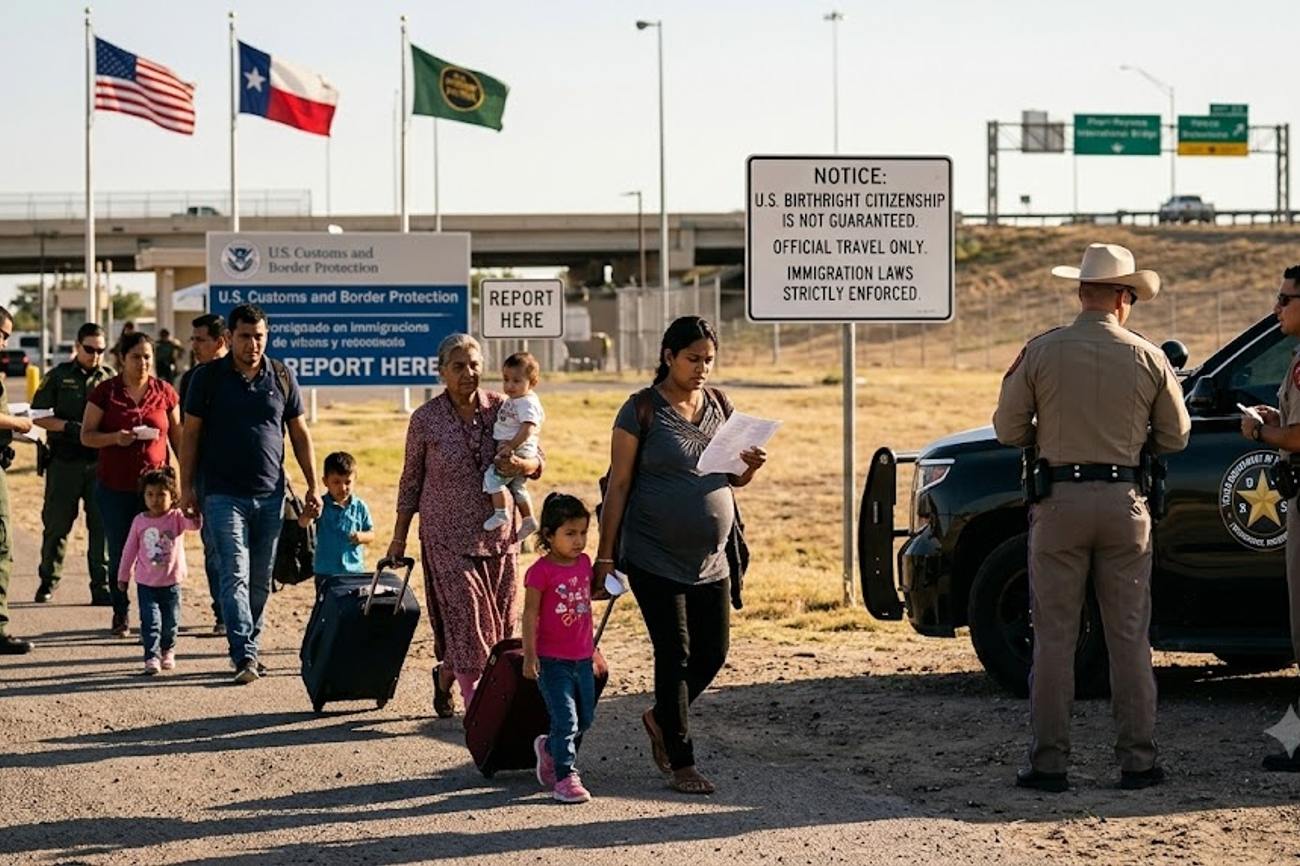
Image generated by AI
[Austin, October 2023] — Texas state authorities are launching an aggressive crackdown on the commercial infrastructure supporting birth tourism, targeting healthcare providers and service agencies suspected of facilitating foreign births to secure U.S. citizenship.
The initiative follows a Supreme Court ruling upholding birthright citizenship, shifting the state's legal strategy from challenging the constitutional right itself to prosecuting the businesses that market these services. Texas officials are now investigating hospitals and postpartum care centers for allegedly violating state and federal laws by promoting maternity packages to overseas clients and assisting in the concealment of travel intentions.
The Catalyst for State Investigations
The immediate trigger for this enforcement surge is the discovery of promotional materials from healthcare organizations specifically designed to attract foreign mothers. Texas officials have formally requested investigations into two hospitals located in the Rio Grande Valley. These probes center on whether the facilities marketed childbirth services internationally in a manner that encourages the circumvention of immigration laws.
While the hospitals involved admit to using such promotional materials in the past, they claim the content has since been removed to avoid legal ambiguity. The state's legal theory rests on the distinction between the act of giving birth—which remains legal—and the act of facilitating a fraudulent entry into the United States. Authorities are focusing on "facilitators" who may have encouraged clients to provide misleading information on visa applications or hide the true purpose of their visit from the U.S. Customs and Border Protection (CBP).
Entities and Markets Under Scrutiny
The crackdown is not limited to traditional clinical settings but extends across the entire "birth tourism" ecosystem. The following sectors are currently under investigation or facing increased regulatory pressure:
- Rio Grande Valley Hospitals: Two specific facilities are under investigation for international marketing of maternity packages.
- Postpartum Care Centers: A high-profile case in the Houston area involves a center accused of providing accommodation and medical guidance to foreign clients under misleading circumstances.
- International Surrogacy Agencies: State lawmakers are now examining whether foreign nationals are utilizing Texas-based surrogate mothers as a loophole to obtain citizenship for their children.
- Visa Facilitators: Any business providing guidance on how to avoid immigration checks or falsify travel intentions is a primary target for federal and state prosecutors.
Practical Traveler Advisory and Strategic Insights
For foreign nationals planning a trip to Texas for medical reasons or childbirth, the legal environment has shifted from passive acceptance to active surveillance. While the U.S. Department of State continues to issue visas based on established criteria, the "intent" of the traveler is now under higher scrutiny.
Plain-Language Impact Assessment:
- Visa Application Risks: Travelers who misrepresent their reason for visiting the U.S. (e.g., claiming a tourist visit when the primary goal is childbirth via a pre-arranged commercial package) risk being flagged for immigration fraud. This can lead to immediate deportation or permanent bans on U.S. entry.
- Service Availability: Expect a decrease in "all-inclusive" maternity packages. Hospitals are scrubbing promotional materials and may be more hesitant to accept foreign patients who cannot provide clear, transparent documentation regarding their stay.
- Surrogacy Complications: Intended parents using surrogates in Texas may face new legislative hurdles. While current contracts remain valid, future restrictions on reproductive services for non-residents are being discussed in the Texas legislature.
- Documentation: The birth certificate process remains unchanged. Under the 14th Amendment, a child born on U.S. soil is a citizen. The legal risk resides entirely with the parents and the facilitators, not the newborn.
The Future of Reproductive Law in Texas
The scope of this crackdown is expanding toward the legislative branch. Texas lawmakers are currently debating new statutes that would specifically restrict foreign nationals from accessing certain reproductive services if the primary intent is the acquisition of citizenship. This represents a significant shift toward regulating healthcare based on the immigration status of the patient.
Furthermore, the Houston-area postpartum care case is being used as a blueprint for wider national enforcement. Prosecutors are seeking to prove that these businesses operate as organized fraud schemes rather than legitimate healthcare providers. If these convictions hold, it will create a legal precedent allowing the state to shut down any business that provides "concierge" services for foreign births.
The tension now exists between the U.S. Department of Health and Human Services (HHS) guidelines on healthcare access and the state's desire to curb birth tourism. Immigration advocates warn that this atmosphere of suspicion may drive immigrant communities away from necessary prenatal and postnatal care for fear of being swept into these investigations.
FAQ: Texas Birth Tourism Enforcement 2023
Is it illegal for a foreign national to give birth in Texas? No. Giving birth in the U.S. is not a crime. Birthright citizenship is protected by the 14th Amendment. The current crackdown targets the businesses and facilitators who use fraud or deception to help foreign nationals enter the country.
Can a child born to foreign parents in Texas be denied citizenship? No. Under current constitutional law, any child born on U.S. soil is automatically a U.S. citizen, regardless of the parents' legal status or the reasons for their travel to the United States.
What happens if a traveler lied on their visa application to give birth? The traveler may face charges of immigration fraud. This can result in the revocation of the visa, deportation, and a permanent ban from entering the United States. The focus is on the fraudulent entry, not the birth itself.
Are surrogacy arrangements for foreigners now illegal in Texas? They are not currently illegal, but they are under intense legislative scrutiny. Lawmakers are considering new restrictions on foreign nationals using Texas surrogacy services to obtain citizenship for their children.
Texas is shifting its war on birth tourism from the courtroom to the clinic.
Related Travel Guides
- Montserrat Follows Dominica and More as Caribbean Islands Unveil Nature-Powered Wellness Journeys
- South Korea Encourages Regional Travel With Tourism Incentives as Visitors Discover Hidden Destinations: All You Need to Know
- Latin America Travel Enters Golden Era as Regional Tourists Transform International Markets
Disclaimer
This article is for informational and educational purposes only. It does not constitute legal, financial, or professional advice. While we strive to provide accurate and up-to-date information, travel policies, regulations, and conditions change rapidly. Always verify information with official sources before making travel decisions. Nomad Lawyer makes no representations about the accuracy, reliability, completeness, or suitability of the information provided. Readers should consult qualified professionals for advice specific to their circumstances. The views expressed in this article are those of the author and do not necessarily reflect the views of Nomad Lawyer.
Naina Thakur
Contributor & Travel Specialist
Travel enthusiast and legal writer covering visa regulations, responsible tourism, and cultural journeys across global destinations.
Learn more about our team →