
Ten Mountain Pass Drives for the Ultimate Scenic Road Trip
Explore ten of the world's most spectacular mountain pass drives. Discover high-altitude routes in the Alps, Rockies, Carpathians, and beyond.

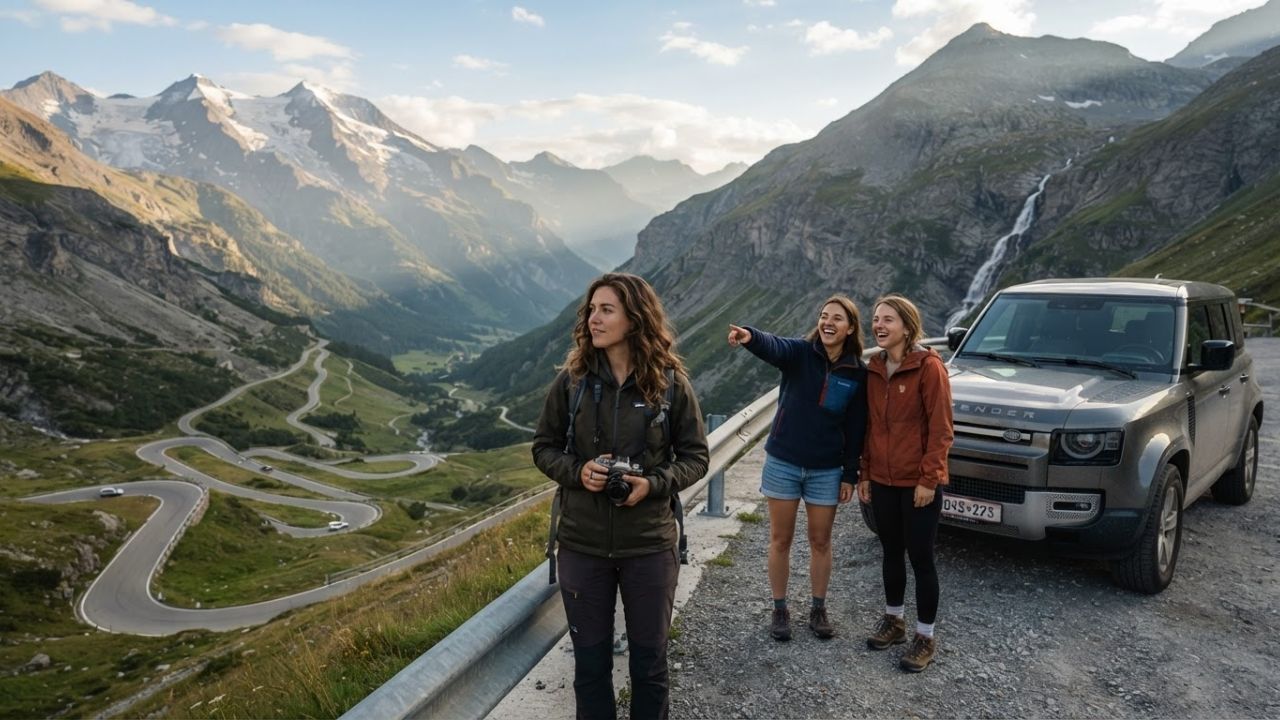
Image generated by AI
From the classic switchbacks of the European Alps to the unpaved defiles of the South African Karoo, mountain pass roads present the ultimate test of machinery and nerve while offering access to remote geological wonders. This curated guide details ten of the world's most spectacular mountain passes, charting altitudes up to 2,757 meters and routes with up to 99 turns.
The Majesty of Mediterranean and Western European Ascents
The adventure tourism sector is experiencing a transition as travelers seek out remote driving routes. Winding roads constructed across mountain ridges reward visitors with panoramic views and opportunities for outdoor exploration.
By promoting these lesser-known road corridors, national tourism boards aim to spread visitor traffic away from crowded city centers. These initiatives support the development of small-scale hospitality businesses in rural areas, encouraging travelers to stay overnight in local guesthouses and patronize family-run cafés. This focus on local economic integration ensures that tourism revenues directly support community development along the routes.
In Spain's Balearic Islands, the MA-2141 road towards Sa Calobra in Mallorca is one of the Mediterranean's most distinctive coastal drives. The route winds through the rugged Serra de Tramuntana mountains, featuring tight curves, narrow rock passages, and steep descents. The road leads down to the sea, where travelers can explore the dramatic Torrent de Pareis gorge. This coastal terrain provides opportunities for hiking and photography before visitors return up the mountain road.
In Scandinavia, Norway's Trollstigen (The Trolls' Ladder) provides a journey through the western fjord country. Located south of Åndalsnes, the road climbs through eleven sharp hairpin turns to a modern viewing platform at Stigrøra, offering views of waterfalls and valleys. The changing weather in Norway requires travelers to verify road openings and pack warm clothing even during the summer months.
The Alpine Giants: Austria, Italy, France, and Switzerland
The high-altitude passes of the European Alps are celebrated for their engineering and scenery, attracting drivers, motorcyclists, and cyclists from across the globe.
Austria's Grossglockner High Alpine Road offers a classic mountain driving experience. Stretching for 48 kilometers, the road climbs above 2,500 meters and offers views of the Grossglockner, Austria's highest peak. Along the route, travelers can access walking paths, mountain reservoirs, and exhibition areas that explain the geology of the Eastern Alps.
Italy's Stelvio Pass is famous for its extreme elevation and switchbacks. Reaching 2,757 meters, it is among the highest paved roads in the Alps. The route connects South Tyrol with the Lombardy region, providing views of alpine meadows and snow-capped peaks. Drivers must exercise caution when navigating the tight hairpins, particularly when the road is busy during the peak summer holiday season.
In France, the Col de Turini connects mountain scenery with motorsport heritage. Located in the Maritime Alps, the pass reaches approximately 1,607 meters and connects the town of Sospel with La Bollène-Vésubie. The pass is famous for its association with the Rallye Monte-Carlo, allowing driving enthusiasts to experience a historic rallying route at a relaxed pace.
Switzerland's Furka Pass reaches around 2,429 meters, crossing the Alps between the cantons of Uri and Valais. The route provides views of granite peaks and alpine valleys, with convenient parking bays where travelers can stop to appreciate the glaciers and alpine water features.
The Wild Frontiers: Eastern Europe, Asia, and Africa
Beyond Western Europe, mountain passes cross dramatic highlands in Eastern Europe, Asia, and Africa, offering unique cultural and natural backdrops.
Romania's Transfagarasan crosses the Carpathian Mountains between Wallachia and Transylvania. The highway is recognized for its sweeping curves, tunnels, and high-altitude lakes. Bâlea Lake, situated at the highest point of the pass, is a major attraction where travelers can halt to explore the surrounding peaks. Due to heavy winter snow, the Transfagarasan is generally open only during the warmer months.
In China's Hunan province, the Tianmen Mountain Road is famous for its sequence of bends. The route climbs through 99 sharp turns across approximately 11 kilometers, leading to the base of Tianmen Mountain. The mountain features a natural rock arch, which has become a major destination for international visitors.
In South Africa, the Swartberg Pass crosses the Swartberg Mountains between Oudtshoorn and Prince Albert. Reaching approximately 1,583 meters, the pass features views of rock formations and deep gorges. The road includes unpaved and uneven gravel sections, requiring careful driving and a high-clearance vehicle to navigate the complete route safely.
North American Wilderness: Over the Sierra Nevada Crest
In the United States, California's Tioga Pass provides a high-altitude route through the Sierra Nevada, serving as the eastern gateway to Yosemite National Park.
The pass reaches an elevation of 3,031 meters (9,945 feet) at the park boundary. The route features granite formations, pine forests, alpine meadows, and views of rugged valleys.
The drive along Tioga Pass is also noted for its diverse flora and fauna, offering opportunities to spot mule deer, marmots, and occasionally black bears near the meadows. Park rangers recommend that travelers maintain safe distances from wildlife and store all food in bear-proof containers at designated rest areas. The route features educational wayside exhibits that explain the glacier-carved history of the Yosemite Valley, adding educational value to the road trip.
Because the pass reaches significant heights, winter snow storms dictate the opening schedule, with the road typically closed from November until late May or June. Travelers planning a Yosemite road trip must verify the road's status with the National Park Service before planning their itinerary.
Visitor Guide: Regional Specialties, Vehicle Logistics, and Seasonal Rules
Exploring these high-altitude passes involves coordinating travel dates, preparing vehicles for demanding climbs, and tasting traditional mountain foods. By preparing in advance, travelers can ensure a safe journey.
Sample traditional regional culinary specialties at mountain stops. In the Italian Alps near Stelvio, order Pizzoccheri, a hearty dish of buckwheat ribbon pasta cooked with potatoes, Savoy cabbage, and local Valtellina Casera cheese, finished with garlic-infused butter. In Austria, stop at an alpine chalet along the Grossglockner to eat Kaiserschmarrn, a caramelized shredded pancake served with plum compote. In Romania, taste Mămăligă, a traditional yellow cornmeal porridge served with sour cream and fresh sheep's cheese near Bâlea Lake. In Mallorca, enjoy a sweet ensaïmada pastry at Sa Calobra.
Verify seasonal road status before traveling. High-altitude paved roads in Europe (Grossglockner, Stelvio, Furka, Transfagarasan) and North America (Tioga Pass) are closed for several months each year due to snow and ice. The optimal travel window is between late June and September.
Inspect your vehicle before embarking on steep climbs. Ensure that your brakes are in good condition, and monitor your engine temperature gauge during long ascents. When driving down steep grades, use low gears to avoid overheating the vehicle's brakes. While a standard vehicle is suitable for paved routes, the Swartberg Pass in South Africa is unpaved and requires a high-clearance vehicle.
Observe environmental regulations and local etiquette. Carry out all trash, yield the road to cyclists climbing the passes, and use designated parking pullouts rather than stopping on the road for photography.
Future Outlook: Rebuilding Sustainable Mountain Corridor Management
The future of mountain pass tourism depends on balancing visitor access with environmental protection. Because these roads cross sensitive alpine ecosystems, national parks and regional transportation departments are implementing management strategies.
Sustainable initiatives include introducing electric shuttle buses, establishing vehicle reservation systems during peak summer months, and upgrading safety barriers and road surfaces. By managing traffic volumes and reducing emissions in these high-altitude corridors, authorities aim to preserve the natural beauty of these historic routes, ensuring they remain safe and accessible for future generations of travelers.
Related Travel Guides
Disclaimer
This article is for informational and educational purposes only. It does not constitute legal, financial, or professional advice. While we strive to provide accurate and up-to-date information, travel policies, regulations, and conditions change rapidly. Always verify information with official sources before making travel decisions. Nomad Lawyer makes no representations about the accuracy, reliability, completeness, or suitability of the information provided. Readers should consult qualified professionals for advice specific to their circumstances. The views expressed in this article are those of the author and do not necessarily reflect the views of Nomad Lawyer.
Raushan Kumar
Founder & Lead Developer
Full-stack developer with 11+ years of experience and a passionate traveller. Raushan built Nomad Lawyer from the ground up with a vision to create the best travel and law experience on the web.
Learn more about our team →