
Tanzania and US Forge Strategic Alliance to Scale Tourism and Economic Investment
Tanzania and the US strengthen economic ties to unlock investment in tourism, infrastructure, and energy, aiming to boost global competitiveness and job growth.

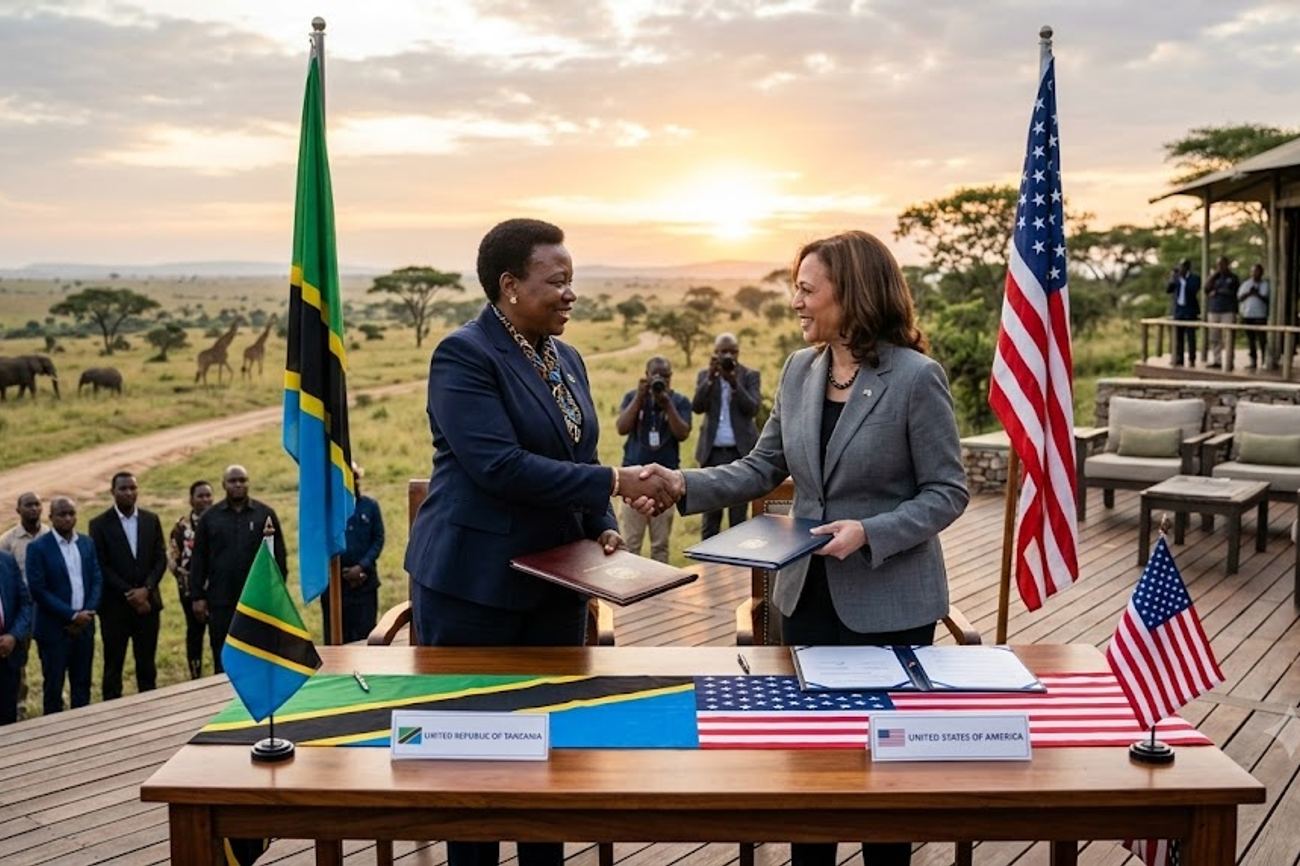
Image generated by AI
Strategic Pivot Toward US Capital and Cooperation
Tanzania is intensifying its diplomatic and economic ties with the United States to catalyze growth across several high-priority sectors. While the partnership spans multiple industries, tourism has emerged as a primary vehicle for attracting international capital and enhancing the visitor experience.
This strategic shift was formalized during high-level talks in Nairobi, Kenya, between Tanzania’s Deputy Minister for Finance, Laurent Luswetula, and US Deputy Assistant Secretary of the Treasury for International Affairs, Erin Browne. The meeting, held as part of a broader finance ministers’ dialogue, focused on creating long-term development frameworks and joint investment opportunities.
The collaboration is designed to elevate Tanzania's standing as a top-tier destination for both international tourists and global investors.
Diversifying the Economic Engine
While tourism is a central pillar, the Tanzania-US alliance is targeting a comprehensive range of sectors to ensure balanced national growth. The investment roadmap includes:
- Tourism & Hospitality: Expanding resort capacity and visitor services.
- Infrastructure & Transport: Upgrading networks to improve destination accessibility.
- Energy & Mining: Developing sustainable resource extraction and power grids.
- Agriculture, Health, & Education: Strengthening foundational social and economic systems.
By integrating tourism into this broader economic strategy, Tanzania aims to increase foreign exchange earnings and create sustainable employment for local communities.
Scaling the Tourism Value Chain
Tanzania already possesses world-class assets, including the Serengeti, Mount Kilimanjaro, and the beaches of Zanzibar. However, the current focus is shifting from simply maintaining these sites to scaling the entire tourism value chain.
The government is actively inviting US companies to invest in eco-tourism facilities, innovative destination management solutions, and upgraded accommodation. This move aligns with the global shift toward "experience-based" and responsible travel, ensuring Tanzania remains competitive against other emerging African destinations.
Enhanced investment is expected to yield direct benefits for the traveler, including:
- Improved transport links between major wildlife and coastal hubs.
- A wider array of luxury and sustainable lodging options.
- Better access to emerging, off-the-beaten-path destinations.
A Legacy of Diplomatic Synergy
This renewed economic push is rooted in a diplomatic relationship dating back to 1968. The current framework evolves this decades-long connection from traditional development aid toward a model of mutual economic participation.
The US has reaffirmed its commitment to supporting Tanzania’s national development objectives, focusing on policies that increase production and economic participation. For the private sector, this signals a more stable and welcoming environment for foreign direct investment (FDI).
Investment Priority Matrix
| Priority Sector | Primary Objective | Expected Outcome |
|---|---|---|
| Tourism | Infrastructure & Hospitality Expansion | Increased Visitor Capacity & FX Earnings |
| Infrastructure | Transport Network Upgrades | Better Connectivity to Remote Sites |
| Energy | Sustainable Power Development | Industrial Growth & Operational Efficiency |
| Mining | Resource Optimization | Increased Export Revenue |
| Agriculture | Modernization of Farming | Food Security & Export Growth |
| Health/Education | Human Capital Development | Skilled Workforce for Tourism/Industry |
Key Takeaways
- High-Level Alignment: Deputy Minister Laurent Luswetula and US Treasury official Erin Browne have synchronized efforts to attract US investment.
- Beyond Safari: While the Serengeti and Zanzibar remain anchors, the focus is expanding toward sustainable, experience-based tourism.
- Multi-Sector Approach: Tourism is being developed in tandem with energy, mining, and infrastructure to create a holistic economic ecosystem.
- Historical Foundation: The partnership leverages a diplomatic bond established in 1968 to foster modern private-sector growth.
FAQ
Why is the US partnership important for Tanzania's tourism? The US provides not only capital but also expertise in destination management and sustainable tourism, which helps Tanzania compete on a global scale.
Which specific areas of tourism are being targeted for investment? Priority is being given to hospitality projects, transport networks, eco-tourism facilities, and innovative visitor services.
Does this alliance affect other sectors besides tourism? Yes. The cooperation extends to energy, mining, agriculture, health, and education to ensure broad-based economic transformation.
Related Travel Guides
Disclaimer
This article is for informational and educational purposes only. It does not constitute legal, financial, or professional advice. While we strive to provide accurate and up-to-date information, travel policies, regulations, and conditions change rapidly. Always verify information with official sources before making travel decisions. Nomad Lawyer makes no representations about the accuracy, reliability, completeness, or suitability of the information provided. Readers should consult qualified professionals for advice specific to their circumstances. The views expressed in this article are those of the author and do not necessarily reflect the views of Nomad Lawyer.
Preeti Gunjan
Contributor & Community Manager
A passionate traveller and community builder. Preeti helps grow the Nomad Lawyer community, fostering engagement and bringing the reader experience to life.
Learn more about our team →