
Taiwan NCC Issues Critical eSIM Privacy Warning for International Travelers: Check Your Telecom Provider Before Departure
Taiwan's National Communications Commission warns travelers to verify foreign telecom privacy risks and provider identity before purchasing travel eSIMs for international journeys.

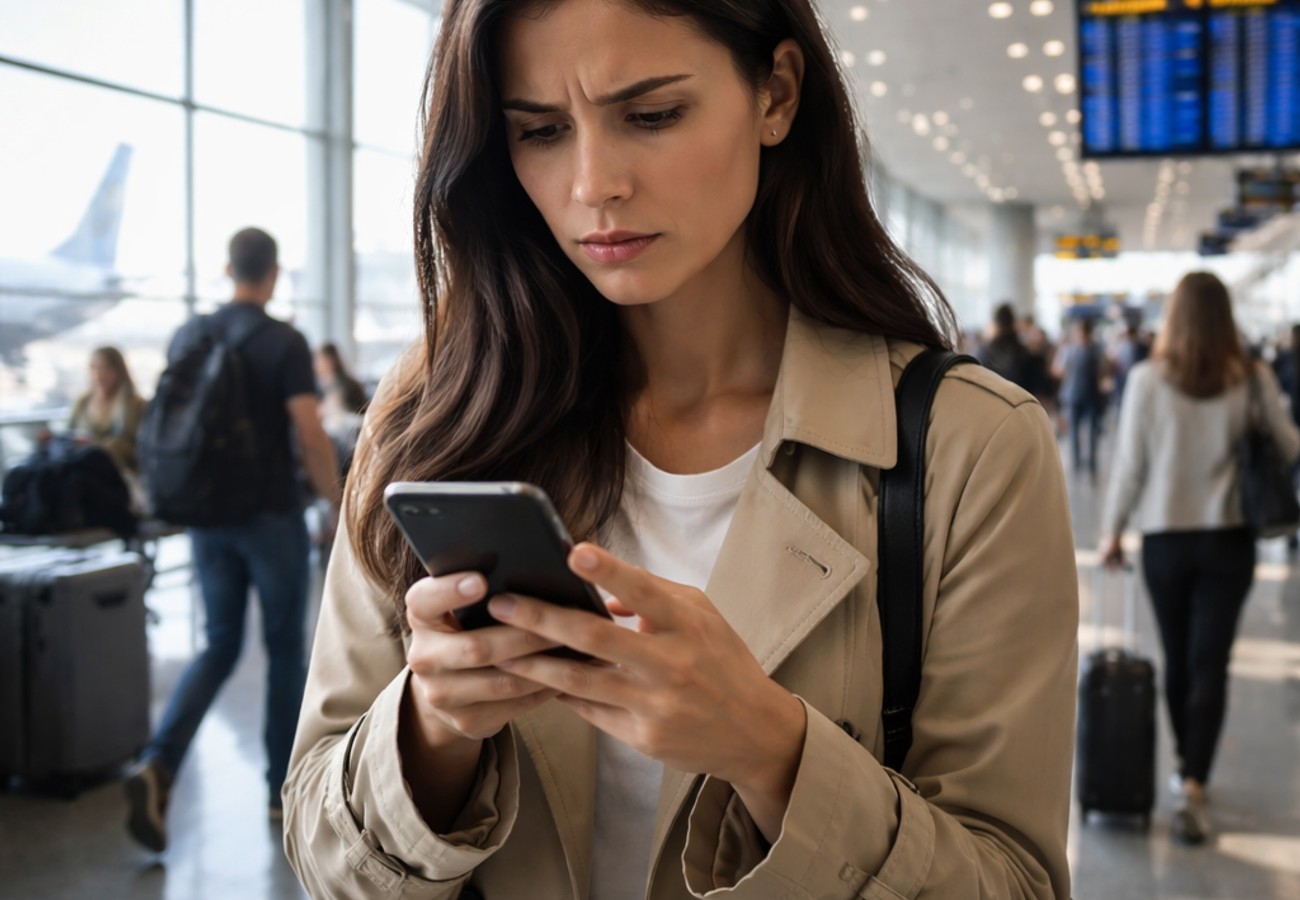
Image generated by AI
The Warning That Changed How Taiwan's Travelers Should Buy Overseas Data
Taiwan's National Communications Commission just shifted the conversation around international travel data. On June 7, 2026, the NCC issued a public advisory urging outbound travelers to verify privacy risks and provider transparency before purchasing foreign telecom services—whether physical SIM cards or eSIMs.
This is not a ban. This is not fearmongering. This is a straightforward message: convenience should never replace basic due diligence.
Think about your last trip. You landed in an airport, your phone showed no signal, and you bought a travel eSIM in 90 seconds from an app. You probably didn't ask who actually owned the network delivering your data. The NCC is saying you should.
Why The NCC Suddenly Cares About Your Travel Data
The advisory targets a specific problem: the gap between who sells you an eSIM and who actually provides the telecom service.
A traveler may purchase an eSIM online in seconds. They scan a QR code, activate it mid-flight, and land with working data. Fast. Convenient. But the company on the receipt may not be the same entity handling their mobile data across borders.
Here's where it gets critical. If the actual overseas telecom operator is not clearly identified before purchase, you're essentially trusting an intermediary with your location data, communication metadata, and payment information. You may not know which company to contact if service fails. You may not understand how your data is routed, encrypted, or stored.
Reddit: "I bought a travel eSIM in Thailand once without checking the provider. My phone was flooded with spam calls the moment I activated it. Wish I'd known what I was buying." — r/travel
The NCC has confirmed that Taiwan's three major domestic telecom operators already provide overseas data-only prepaid services. These domestic alternatives follow Know Your Customer (KYC) procedures—identity verification requirements that may feel slower but exist to prevent fraud and protect users.
What The NCC Actually Wants You To Check
The advisory is surgical in its focus. Before purchasing any foreign eSIM, verify these five elements:
1. The actual telecom provider is named clearly. Not the reseller. Not the app company. The actual network operator in the destination country should be visible before you pay.
2. Privacy policy and data handling terms are accessible. You should read how your mobile data is transmitted, stored, and protected before activation.
3. Coverage countries and network details are listed. Match the plan to your full itinerary. Weak coverage affects airport transfers, hotel check-ins, ride services, and emergency communication.
4. Customer support is transparent and reachable. If service fails in a foreign country at 2 AM, you need to know how to contact someone who can help.
5. The QR code source is verified. Unsafe activation links can expose your phone to malware or phishing attacks before you even land.
The NCC is not suggesting these checks take hours. They take minutes. Yet they're the difference between trusting a service and blindly gambling with your data.
The Deeper Issue: Taiwan's Anti-Fraud Framework Meets Tourism Convenience
This advisory exists within a larger context: Taiwan's national anti-fraud strategy places telecom networks at the center of prevention.
When you buy a SIM card in Taiwan—domestic or international—KYC procedures are mandatory. This means identity verification. For prepaid services, it means review mechanisms. The government views telecom services not just as tourism tools but as critical infrastructure that can be misused for scams if left unmonitored.
For travelers, this creates a real tension. You want instant digital access abroad. Regulators need to verify identities to prevent fraud. The NCC is essentially saying: that tension is worth maintaining because the alternative is worse.
What many travelers don't realize: when you buy a travel eSIM from a reseller with unclear ownership, you may be bypassing the very KYC protections that protect telecom networks from abuse. The cheap eSIM that avoided "slow" identity verification might also have avoided the fraud prevention checks that keep networks safe.
What This Means For Different Traveler Types
For tourists: A failed eSIM at the airport is more than inconvenient. It breaks navigation, hotel contact, ride services, and emergency communication the moment you arrive.
For business travelers: Data routed through unclear telecom paths may expose work emails, banking approvals, and confidential documents. A privacy risk becomes a compliance risk.
For students and long-term visitors: Unstable or opaque telecom service compounds the stress of adapting to a new country. You need infrastructure you can trust.
For digital nomads: Connecting to unclear or unverified telecom networks in foreign countries increases exposure to data interception and man-in-the-middle attacks. Your laptop, banking apps, and communication tools are at risk.
Reddit: "I've been traveling for three years. The cheapest eSIM is almost never the best choice. I learned that the hard way in Indonesia." — r/digitalnomad
Taiwan's Path Forward: Simplification Without Surrendering Safety
The NCC has indicated that discussions with local police, prosecutors, and telecom operators are ongoing. The question on the table is whether KYC procedures for travel data plans can be streamlined without weakening fraud prevention.
This matters because Taiwan's three major operators—Chunghwa Telecom, Taiwan Mobile, and FarEasTone—already provide overseas prepaid data services. Some services offer setup fee waivers under certain conditions. Yet the same KYC requirements apply.
The regulatory conversation is not whether to eliminate identity checks. It's whether some checks can be simplified or expedited. Can verification happen faster? Can the process feel less bureaucratic without becoming less safe?
For travelers, this suggests a future where purchasing verified travel data from domestic operators becomes as frictionless as buying from international resellers—but with the trust and transparency that comes with regulatory oversight.
The Checklist Every Traveler Should Use Right Now
Before you activate your next travel eSIM, run through this sequence:
Provider verification: Is the actual telecom operator in your destination country named on the product page?
Privacy documentation: Can you access and read the complete privacy policy before purchase?
Coverage confirmation: Does the plan cover every country on your itinerary, including layovers?
Support pathway: Is there a visible customer support channel for your destination regions?
Alternative comparison: Have you checked whether your home telecom operator offers a competing prepaid plan?
Price context: Is this plan affordable and transparent, or just cheap?
Activation safety: Is the QR code being offered through the official seller platform?
The difference between travelers who experience seamless international connectivity and those who face data disasters often comes down to this: did they verify before they purchased, or did they trust the framing of convenience?
Why This Advisory Matters Beyond Taiwan
The NCC warning reflects a global shift in how regulators view travel data services. They're no longer treating eSIMs as tourism novelties. They're treating them as critical infrastructure that requires the same transparency and accountability as traditional telecom services.
This has ripple effects for travelers globally. If Taiwan—a sophisticated telecom market—is publicly warning about provider opacity and privacy risks, other regulatory bodies are likely to follow. Expect similar advisories from Singapore, South Korea, and the EU within the next 12-18 months.
For travelers, that means the "move fast and buy cheap" approach to eSIMs is quietly becoming obsolete. The future of travel data is verification-first, convenience-second.
Your phone is your lifeline abroad—choose the provider you can actually trust.
Related Travel Guides
Disclaimer
This article is for informational and educational purposes only. It does not constitute legal, financial, or professional advice. While we strive to provide accurate and up-to-date information, travel policies, regulations, and conditions change rapidly. Always verify information with official sources before making travel decisions. Nomad Lawyer makes no representations about the accuracy, reliability, completeness, or suitability of the information provided. Readers should consult qualified professionals for advice specific to their circumstances. The views expressed in this article are those of the author and do not necessarily reflect the views of Nomad Lawyer.
Kunal K Choudhary
Co-Founder & Contributor
A passionate traveller and tech enthusiast. Kunal contributes to the vision and growth of Nomad Lawyer, bringing fresh perspectives and driving the community forward.
Learn more about our team →