
Bókun Study Reveals 72% of Travelers Reject AI-Generated Images in Travel Bookings 2026
A new Bókun study involving 2,000 adults in the UK and Italy shows a massive trust backlash against AI-generated travel imagery, with 72% of travelers less likely to book experiences using synthetic visuals.

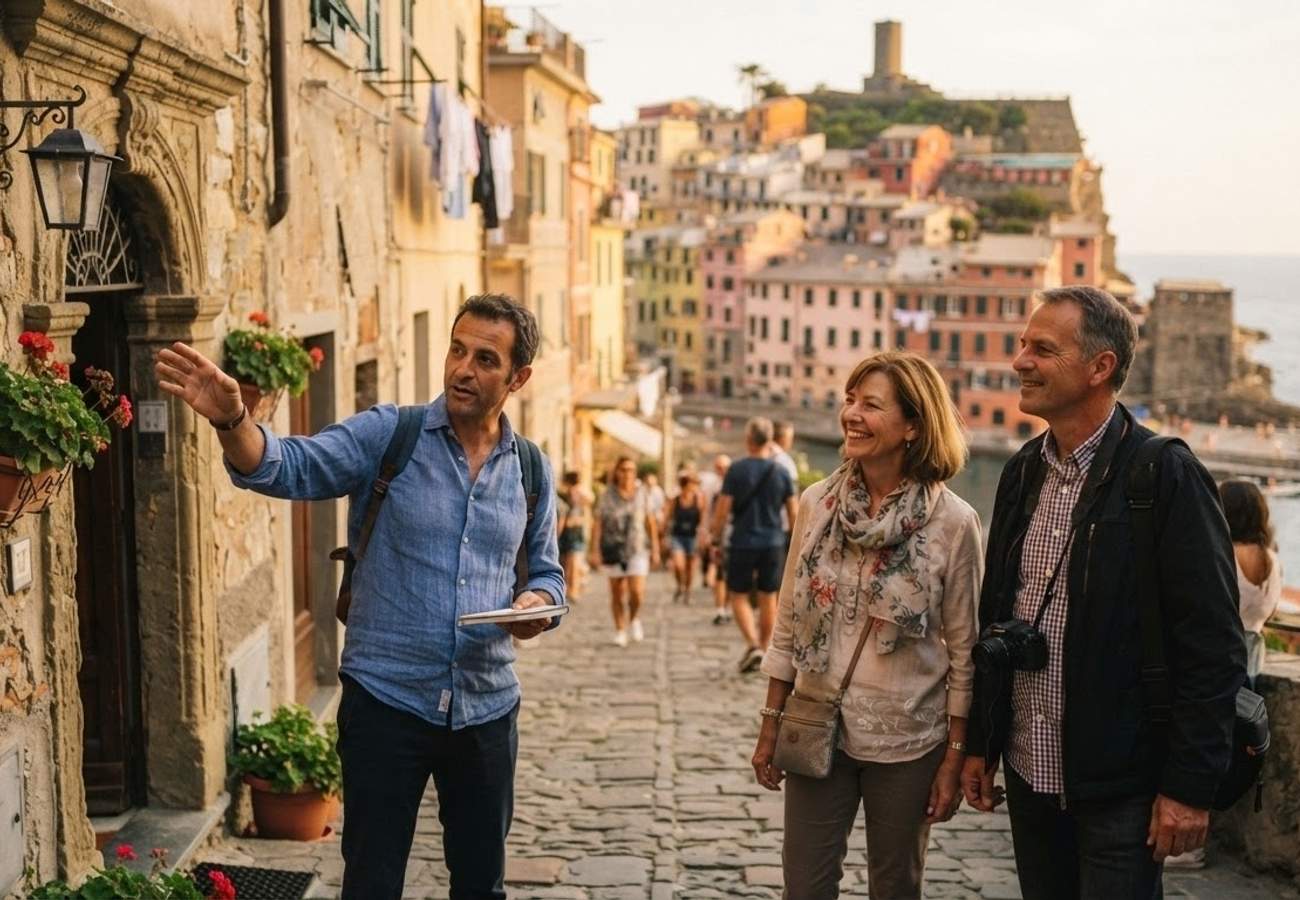
Image generated by AI
The use of generative AI in travel marketing is triggering a significant trust deficit, with 72% of consumers stating that AI-generated imagery makes them less likely to book a tour or experience.
Recent data from Bókun, a Tripadvisor company, indicates that while AI tools are becoming ubiquitous in digital marketing, travel consumers are aggressively pivoting back toward authenticity. A survey of 2,000 adults across the UK and Italy confirms that visual storytelling is now the primary filter for quality and legitimacy in the online booking journey.
The Impact of Visuals on Booking Conversion
Our analysis of the Bókun data shows that photographs are no longer secondary supporting materials but are the primary drivers of user engagement. The speed of decision-making in the digital environment has shifted the weight of influence toward immediate visual impressions.
- Primary Influence: 72% of travelers prioritize photographs when booking experiences online.
- Click-Through Driver: 37% identify images as the leading reason they click to learn more about an activity.
- Impulse Booking: 57% of respondents admitted they would be tempted to book based on appealing photos before even reading the written description.
Visual Red Flags: What Drives Travelers Away
Poor imagery does more than just fail to attract; it actively repels potential customers. The study highlights a direct correlation between low-quality visuals and perceived operational incompetence.
The following statistics outline the specific "photo blunders" that crush conversion rates:
- Poor Quality: 66% of travelers are discouraged by low-quality images.
- Insufficient Volume: 66% report that having too few photographs reduces their willingness to reserve.
- Outdated Content: 37% are deterred by images that appear old or obsolete.
- Misalignment: 34% lose confidence when images do not accurately reflect the written description.
- Repetitive Angles: 29% dislike seeing multiple photos taken from the same viewpoint.
The AI Trust Gap and Authenticity
The most critical finding for travel operators is the severe backlash against synthetic media. Despite the technical perfection of generative AI, travelers associate it with a lack of transparency.
For the affected operator, this means that replacing a genuine, slightly imperfect photo with a polished AI version may actually decrease the likelihood of a sale. 72% of survey participants explicitly stated that AI-generated images reduce their propensity to book.
Furthermore, trust is quantified by the presence of imagery: 73% of travelers find listings with photos more trustworthy than those without, while 67% view poor-quality photography as a sign that a business may not be legitimate.
High-Conversion Imagery: What Actually Works
Flight tracking and destination data suggest that travelers seek "proof of experience." The Bókun study identifies the specific types of imagery that most effectively convert interest into confirmed bookings:
- "Wow" Landscapes (50%): Spectacular scenery and destination-wide shots.
- Action Shots (49%): Images showing the experience actually taking place.
- Emotional Connection (45%): Photos of people genuinely enjoying the activity.
- Landmarks (40%): Visuals featuring well-known attractions.
- Human Element (15%): Images of guides or hosts to create a personal connection.
Industry Analyst View
The human brain processes visual information in milliseconds. In a hyper-competitive 2026 travel market, photography has evolved from a promotional asset into a verification tool.
The shift toward "authentic" over "perfect" suggests that the industry is entering a phase of "radical transparency." Operators who rely on stock imagery or AI-enhanced visuals are creating a psychological barrier between themselves and the consumer. The competitive advantage now lies with those who can provide a realistic, multi-perspective visual narrative that mirrors the actual guest experience.
The era of digital perfection is ending; the era of verifiable authenticity has arrived.
Related Travel Guides
Disclaimer
This article is for informational and educational purposes only. It does not constitute legal, financial, or professional advice. While we strive to provide accurate and up-to-date information, travel policies, regulations, and conditions change rapidly. Always verify information with official sources before making travel decisions. Nomad Lawyer makes no representations about the accuracy, reliability, completeness, or suitability of the information provided. Readers should consult qualified professionals for advice specific to their circumstances. The views expressed in this article are those of the author and do not necessarily reflect the views of Nomad Lawyer.
Preeti Gunjan
Contributor & Community Manager
A passionate traveller and community builder. Preeti helps grow the Nomad Lawyer community, fostering engagement and bringing the reader experience to life.
Learn more about our team →