
Taiwan High Speed Rail Upgrades Fleet With Advanced Japan-Built N700ST Trains
Taiwan High Speed Rail orders 12 new N700ST trains based on Japan's Shinkansen platform, arriving at Kaohsiung Port on August 15, 2026, for testing.

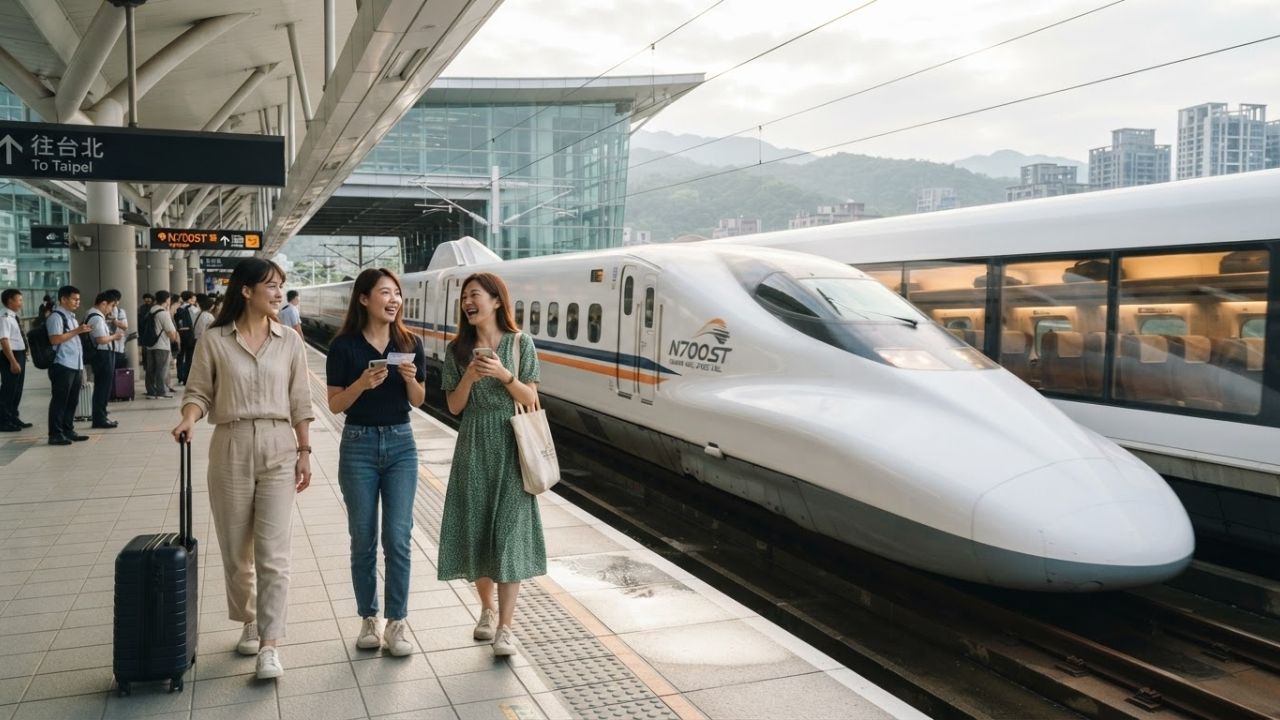
Image generated by AI
Taiwan High Speed Rail is implementing its largest rolling stock renewal since opening in 2007, introducing 12 new 12-car N700ST trains based on Japan's advanced N700S Shinkansen platform. The first N700ST trainset is scheduled to arrive at Kaohsiung Port in southern Taiwan on August 15, 2026, before beginning a detailed technical evaluation program.
Fleet Renewal: Taiwan Introduces the N700ST High-Speed Train
The high-speed rail sector in Taiwan is entering a new era of modernization. Since its launch in 2007, the Taiwan High Speed Rail network has served as the backbone of domestic travel, connecting major cities along the island's western corridor. However, with the original 700T fleet approaching two decades of continuous service, the operator has launched its largest rolling stock replacement program.
The transition begins with the introduction of the N700ST, a new generation of high-speed trains developed in Japan specifically for Taiwan's operating conditions. The operator has ordered 12 new 12-car trainsets to gradually replace the aging 700T fleet. While maintaining the maximum operating speed of 300 km/h, the N700ST integrates state-of-the-art engineering with passenger facilities that were not available when the line first opened. These trainsets will feature lighter car bodies, advanced active suspension systems to reduce cabin vibration, and emergency battery power systems to ensure passenger safety during unexpected power grid outages.
This fleet renewal represents a significant improvement for the 345-kilometer rail network. By replacing the original trains with updated models, the network will enhance operational reliability, reduce maintenance costs, and provide travelers with a safer and more comfortable transit option.
Kaohsiung Port Delivery: The Testing and Evaluation Program
The first N700ST trainset is currently preparing for shipment from Japan and is expected to land at Kaohsiung Port on August 15, 2026. Upon arrival in southern Taiwan, the train will undergo a comprehensive technical evaluation program before it is certified for regular passenger operations. Kaohsiung Port authorities have coordinated with the railway logistics teams to ensure a smooth unloading process, as transport of these massive 12-car trainsets requires specialized heavy-lift cranes and overnight road closures to reach the Zuoying maintenance depot safely.
This evaluation process will include static examinations at the depot, running trials along the main line, and system integration tests to confirm that the new trains operate safely within Taiwan's existing railway environment. Staff training programs will also be conducted to ensure that drivers, cabin crew, and maintenance technicians are fully prepared to operate and service the new fleet.
Because safety is the primary requirement for high-speed rail operations, the testing phase is essential. The gradual integration of these 12-car trainsets means that passengers will not see an immediate increase in daily schedules. Additional capacity benefits will be realized over time as more N700ST trains are certified and entered into regular service.
Upgraded Passenger Experience: Silence, Charging, and Accessibility
The design of the N700ST focuses heavily on improving passenger comfort and convenience, addressing the needs of both daily commuters and long-distance business travelers:
- Quieter Interiors: Advanced soundproofing materials and aerodynamic design adjustments reduce cabin noise, providing a quieter environment.
- Power Access: Each seat will be equipped with individual charging outlets, allowing passengers to keep their electronic devices powered during the journey.
- Expanded Luggage Areas: The trains feature larger overhead racks and dedicated luggage storage zones to accommodate travelers with oversized suitcases.
- Modern Information Displays: Interactive passenger information systems will display real-time journey details, connecting services, and safety announcements.
Additionally, the N700ST features accessibility upgrades. Each train will provide six dedicated wheelchair spaces equipped with restraint systems, allowing travelers with mobility needs to travel with greater safety and dignity.
International Collaboration: Japanese Technology on Taiwanese Rails
The N700ST project highlights the continued technical cooperation between Taiwan and Japan in high-speed rail development. Since the planning stages of the network in the late 1990s, Taiwan has relied on Japanese Shinkansen technology, making it the first international export of the Shinkansen system.
The N700ST is based on Central Japan Railway Company’s N700S Shinkansen, which operates on the Tokaido Shinkansen line. However, the system has been adapted by Japanese manufacturers to meet Taiwan's specific geographical, climatic, and signaling requirements.
This collaboration ensures that Taiwan benefits from Japan's decades of high-speed rail safety and engineering expertise, supporting a highly reliable domestic transport network that connects Taipei, Taichung, Tainan, and Kaohsiung efficiently.
Environmental Impact: Energy-Efficient High-Speed Transit
From an environmental perspective, the introduction of the N700ST supports the carbon reduction goals of Taiwan's Ministry of Transportation and Communications. Traveling by high-speed rail is a highly sustainable transit option, generating a fraction of the greenhouse gas emissions per passenger-kilometer compared to private cars or domestic flights.
The N700ST features aerodynamic refinements and lightweight aluminum alloy construction, reducing energy consumption compared to the older 700T models. The trains also utilize regenerative braking systems, which convert kinetic energy back into electricity during deceleration, feeding power back into the rail grid.
Additionally, travelers can support sustainable tourism by using the Taiwan High Speed Rail mobile app for paperless electronic ticketing, reducing paper waste. Selecting local bento boxes at stations also helps support regional agricultural communities.
Local Insider Guide: Station Bento Boxes and Ride Etiquette
To help you enjoy a smooth journey and experience Taiwan's high-speed rail like a local, destination specialists suggest the following tips:
- Try the Station Bento Boxes (Biandang): Before boarding your train, buy a traditional HSR bento box at the station concourse. These convenient meals feature local specialties like soy-marinated pork chops, stewed eggs, and regional vegetables, providing a taste of local food culture at an affordable price.
- Observe Ride Etiquette: Keep your voice down when speaking in the passenger cabin. Avoid talking on your mobile phone at your seat; if you must take a call, move to the vestibule area between carriages to avoid disturbing other passengers.
- Queue in Designated Lines: Stand behind the yellow safety lines on the platform and queue in the designated lane for your car number. Passengers are expected to let arriving passengers exit the train completely before boarding.
- Optimal Booking Windows: To avoid crowds and secure discount tickets, travel mid-week or during off-peak hours (between 10:00 AM and 2:00 PM). Booking your tickets early through the official app can also secure "early bird" discounts of up to 35%.
Tourism Outlook: Reshaping Taiwan's Western Corridor Tourism
The long-term outlook for tourism in Taiwan is closely linked to the modernization of its high-speed rail infrastructure. As the N700ST trains are gradually introduced, they will improve the travel experience along the western corridor, encouraging international and domestic tourists to explore destinations beyond Taipei.
The convenience of high-speed transit allows travelers to plan day trips or weekend itineraries to cultural sites in Tainan, natural attractions in Taichung, and coastal areas in Kaohsiung. This distribution of visitor traffic helps reduce pressure on northern tourist hubs while supporting local economies in central and southern Taiwan.
By investing in modern, energy-efficient rolling stock, Taiwan High Speed Rail is demonstrating that infrastructure development can support both passenger comfort and sustainable environmental goals, setting a positive example for regional transportation networks across Asia.
Related Travel Guides
Indian Railways Launches Premium Japan Tour Featuring Bullet Train and Heritage Sites
South Korea Revives Abandoned DMZ Border Railway Project for Future Tourism
10 Best High-Speed Rail Journeys in Taiwan, According to Reddit
Disclaimer
This article is for informational and educational purposes only. It does not constitute legal, financial, or professional advice. While we strive to provide accurate and up-to-date information, travel policies, regulations, and conditions change rapidly. Always verify information with official sources before making travel decisions. Nomad Lawyer makes no representations about the accuracy, reliability, completeness, or suitability of the information provided. Readers should consult qualified professionals for advice specific to their circumstances. The views expressed in this article are those of the author and do not necessarily reflect the views of Nomad Lawyer.
Kunal K Choudhary
Co-Founder & Contributor
A passionate traveller and tech enthusiast. Kunal contributes to the vision and growth of Nomad Lawyer, bringing fresh perspectives and driving the community forward.
Learn more about our team →