
Sydney Free Tourism Drives A$34.7 Billion Visitor Spend in 2026: Analysis of Open-Access Economics
Recent data reveals Sydney's free attractions act as a primary catalyst for a A$34.7 billion visitor economy, drawing 67.5 million travelers through open-access landmarks.
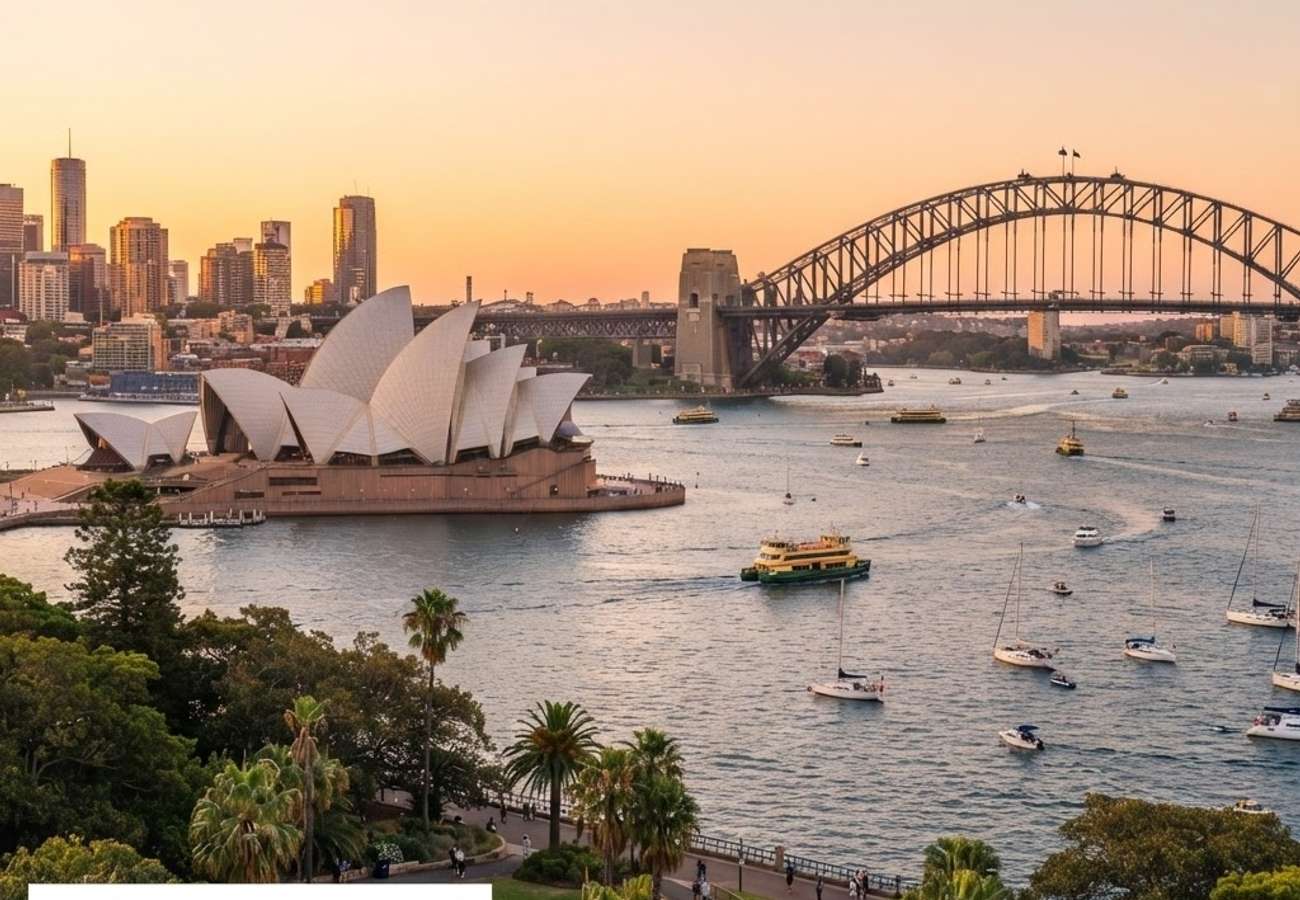
Image generated by AI
Sydney’s strategy of maintaining world-class free attractions is paying off, acting as a loss leader that drives billions into the city's hotels, dining, and transport sectors. While the landmarks themselves cost nothing, the ecosystem surrounding them is generating massive economic returns.
The Economic Engine of Open-Access Tourism
Sydney is frequently categorized as a high-cost international destination. Expenses related to luxury accommodation, fine dining, and airport logistics can quickly inflate a traveler's budget. However, the city employs a strategic "open-access" model where its most iconic assets—beaches, gardens, and heritage sites—remain free to the public.
This model creates a powerful competitive advantage. By removing the barrier of admission fees for primary attractions, Sydney encourages longer stays. A visitor who doesn't pay for a park or gallery entry still requires a bed, meals, and transportation, shifting their spending from "ticket costs" to the broader local economy.
This spending ripple effect benefits a diverse network of stakeholders, including:
- Boutique hotels and hostels
- Cafés and waterfront restaurants
- Ferry services and taxi operators
- Local retail hubs and tour guides
Analyzing Sydney's 2026 Tourism Performance
Official data from Destination NSW for the year ending March 2026 highlights the massive scale of activity moving through the city. While there is no specific metric that isolates spend triggered solely by free attractions, the overall figures demonstrate a robust recovery and growth phase.
The city recorded a total of 67.5 million visitors who accounted for 123.7 million visitor nights. This volume translated into a total economic injection of A$34.7 billion.
Visitor Expenditure and Volume Breakdown (Year Ending March 2026)
| Official Indicator | Year ending March 2026 | Tourism Significance |
|---|---|---|
| Total Visitors | 67.5 million | Overall demand volume for the city |
| Total Visitor Nights | 123.7 million | Drives accommodation and evening economy |
| Total Expenditure | A$34.7 billion | Total impact on the wider visitor economy |
| Domestic Visitors | 63.6 million | Primary source of visitor volume |
| Domestic Expenditure | A$20.8 billion | Sustains metropolitan business networks |
| International Visitors | 3.9 million | High-value overseas demand |
| International Nights | 89.9 million | Indicates significantly longer average stays |
| International Expenditure | A$13.9 billion | High per-capita value of overseas travelers |
Source: Destination NSW, Tourism Research Australia (Domestic Tourism Statistics and International Visitor Survey)
Strategic Value of Non-Ticketed Landmarks
Sydney's identity is built on public spaces rather than enclosed attraction complexes. This architectural and urban planning choice ensures the city remains accessible to all demographics, from luxury travelers to budget backpackers.
Several key sites anchor this strategy:
- Sydney Harbour Bridge: Since 1932, the pedestrian walkway has provided a free alternative to the commercial bridge climb, offering iconic skyline views.
- Royal Botanic Garden: Established in 1816, this site provides essential open-access greenery adjacent to the Opera House.
- Cultural Institutions: The Art Gallery of New South Wales and the Museum of Contemporary Art offer free entry to permanent collections, lowering the threshold for cultural engagement.
- Coastal Infrastructure: The beaches of Bondi, Coogee, and Manly serve as year-round anchors for tourism without requiring entry fees.
The "Halo Effect" on Commercial Spending
The economic value of free tourism is found in the "before and after" behavior of the visitor. A traveler utilizing a free asset rarely spends zero dollars.
For example, a visitor walking the Bondi to Coogee coastal trail typically spends on breakfast, lunch, and return transport. Similarly, those exploring the historic streets of The Rocks for free are likely to patronize local markets, book a guided tour, or use ferry services.
Barangaroo Reserve exemplifies this synergy; while the park is free, it is strategically positioned beside high-end dining and retail precincts. This relationship suggests that free attractions reduce the "perceived cost" of extending a trip. If a visitor knows they can spend a day exploring galleries or beaches without a ticket, they are more likely to book an additional night at a hotel.
International vs. Domestic Market Dynamics
The 2026 data reveals a stark contrast between visitor types. International travelers are far fewer in number (3.9 million) but dominate the "nights stayed" metric with 89.9 million nights.
For these long-term visitors, free attractions are essential for budget management. The ability to intersperse expensive "headline" experiences with free days allows international tourists to sustain longer visits, which in turn increases their total spend on accommodation and daily services.
Domestic travelers, meanwhile, provide the essential volume. With 63.6 million visits, this segment relies heavily on free public spaces for repeat visits, ensuring that Sydney remains a viable destination for residents of other Australian states regardless of their budget.
While these attractions are free, travelers must still adhere to all standard Australian visa and passport requirements, and budget for the essential costs of insurance, transport, and lodging.
Sydney proves that the most valuable assets for a city's economy are often the ones that cost the visitor nothing to enter.
Related Travel Guides
Disclaimer
This article is for informational and educational purposes only. It does not constitute legal, financial, or professional advice. While we strive to provide accurate and up-to-date information, travel policies, regulations, and conditions change rapidly. Always verify information with official sources before making travel decisions. Nomad Lawyer makes no representations about the accuracy, reliability, completeness, or suitability of the information provided. Readers should consult qualified professionals for advice specific to their circumstances. The views expressed in this article are those of the author and do not necessarily reflect the views of Nomad Lawyer.