
Hungary's Lake Velence Drying Up Fast: Drought and Mismanagement Threaten Tourism and Wildlife in 2026
Lake Velence, Hungary's third-largest lake near Budapest, faces catastrophic water level collapse due to climate change and decades of mismanagement, threatening tourism and ecosystems.

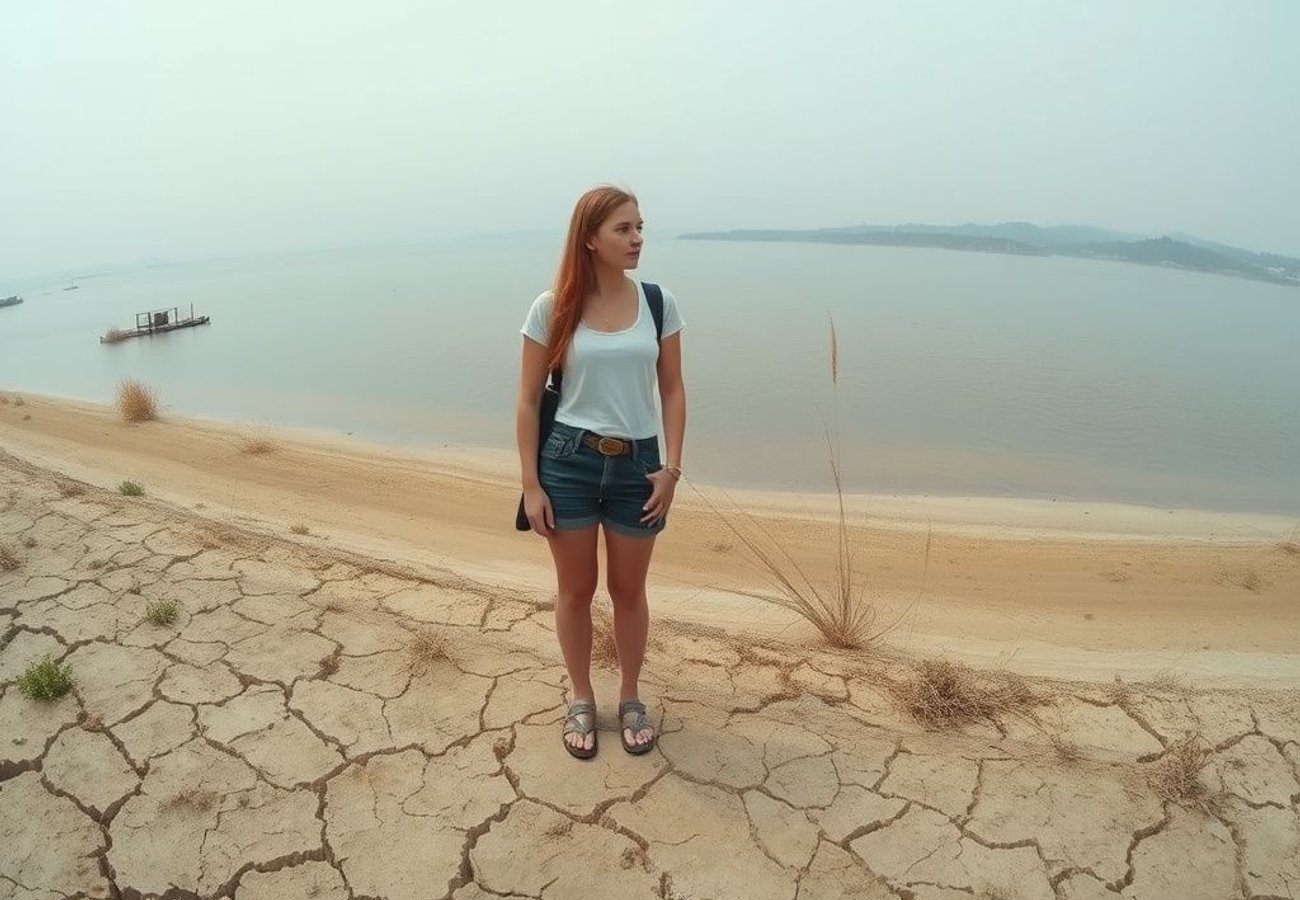
Image generated by AI
Hungary's Third-Largest Lake Is Collapsing—And Travelers Are Caught in the Crossfire
Lake Velence, situated just 40 kilometers west of Budapest, is experiencing an environmental catastrophe. Once a thriving holiday destination, Hungary's third-largest lake now faces water levels so critically low that sailing instructors are abandoning ship—literally—and relocating their entire operations.
The numbers tell a grim story. On a recent Wednesday, water levels measured just 56 centimeters at the town of Agard, according to data from the National Directorate General for Water Management. That's merely 3 centimeters above the historic low of 53 centimeters recorded during 2022's extreme drought.
But here's where it gets worse.
The Perfect Storm: Climate Change Meets Decades of Water Mismanagement
Experts are sounding alarms that shouldn't be ignored. Without substantial rainfall, the lake could lose another half-centimeter daily, potentially plummeting to just 30 centimeters by summer's end—shattering the previous record low.
Tibor Horanyi from the Association of Great Lakes didn't mince words when speaking to Reuters: "The water level will drop at least 25-30 cm in the next 30-40 days, and the historic low will be broken within days."
The culprit? It's not just climate change. Decades of catastrophically flawed water management decisions—particularly the draining of wetlands for agricultural expansion—have left the lake vulnerable to environmental collapse. The early months of 2026 saw water levels hovering around 80 centimeters. The trajectory since then has been nothing short of alarming.
Reddit: "My family had booked a sailing trip to Lake Velence for July. Now we're watching videos showing rental boats stranded on sand. This is what real climate impact looks like." — r/travel
Tourism Operators Are Already Fleeing
The human cost is immediate and measurable. Peter Szaniszlo, a sailing instructor who built his business around Lake Velence's proximity to Budapest, has already begun relocating his operations to Lake Balaton, Hungary's largest lake and a backup destination for desperate water sports entrepreneurs.
"People who wanted to learn sailing mostly chose me because Lake Velence is near Budapest," Szaniszlo explained. "Now they need to travel to Balaton."
This exodus represents more than just business relocation—it signals the beginning of a broader tourism crisis. Hotels, restaurants, rental services, and local economies dependent on Lake Velence's recreational appeal are facing an existential threat.
Children playing on newly exposed sandbars that stretch far beyond the lake's traditional shoreline have become a haunting symbol of this ecological emergency. Jetties now rest directly on sand, rendering them useless for boats and swimmers alike.
What's the Government Actually Doing?
Last week, Environmental Minister Laszlo Gajdos convened an emergency meeting with local NGOs, mayors, and water management experts. The government has pledged to improve water quality, implement sustainable water replenishment strategies, and rehabilitate the shoreline environment—ambitious commitments that sound encouraging on paper.
The reality, however, is more sobering. Arpad Pal Eotvos, mayor of Gardony, acknowledged the hard truth: "We will have to learn to live with this. As the climate changes, we will also need to change."
That statement alone reveals the fundamental challenge: replenishing Lake Velence's water will require systemic, long-term interventions that governments rarely execute with the urgency these crises demand.
Why This Matters for Travelers and Tourism Law
For nomadic professionals and travelers planning trips to Central Europe, Lake Velence represents a cautionary tale about destination viability. When ecological systems collapse, tourism infrastructure collapses with it.
If you've booked accommodations or activities at Lake Velence, documentation of the environmental emergency becomes crucial for potential refund disputes or travel insurance claims. The government's acknowledgment of the crisis and lack of immediate solutions may support claims that conditions have materially changed since booking.
Understanding your rights under EU travel regulations becomes essential when environmental conditions render destinations unusable.
The Broader Climate Picture
Lake Velence isn't an isolated incident. This drought reflects broader patterns affecting water resources across Central and Eastern Europe. Tourism-dependent regions must begin integrating climate resilience into their economic planning, or face cascading business failures.
The Association of Great Lakes has effectively positioned itself as the canary in the coal mine—warning policymakers that incremental adjustments won't reverse systemic water management failures accumulated over decades.
What Comes Next?
Travelers should monitor official government announcements from Hungary's Ministry of Environment before booking summer activities at Lake Velence. Water sports operators are migrating to alternatives like Lake Balaton, but availability will tighten as demand concentrates on fewer viable destinations.
The lake's collapse serves as a stark reminder that climate change isn't a distant threat—it's actively destroying tourism infrastructure, displacing businesses, and rewriting the map of European travel destinations in real time.
Lake Velence's decline isn't just an environmental story—it's a cautionary roadmap for every tourism-dependent region facing climate reality.
Related Travel Guides
Disclaimer
This article is for informational and educational purposes only. It does not constitute legal, financial, or professional advice. While we strive to provide accurate and up-to-date information, travel policies, regulations, and conditions change rapidly. Always verify information with official sources before making travel decisions. Nomad Lawyer makes no representations about the accuracy, reliability, completeness, or suitability of the information provided. Readers should consult qualified professionals for advice specific to their circumstances. The views expressed in this article are those of the author and do not necessarily reflect the views of Nomad Lawyer.
Raushan Kumar
Founder & Lead Developer
Full-stack developer with 11+ years of experience and a passionate traveller. Raushan built Nomad Lawyer from the ground up with a vision to create the best travel and law experience on the web.
Learn more about our team →