
Canada Safety Warning: Switzerland Issues Updated Travel Advisory for 2026
Switzerland has released a comprehensive travel advisory for Canada, detailing critical updates on visa requirements, urban security precautions, and regional safety hazards for Swiss nationals.
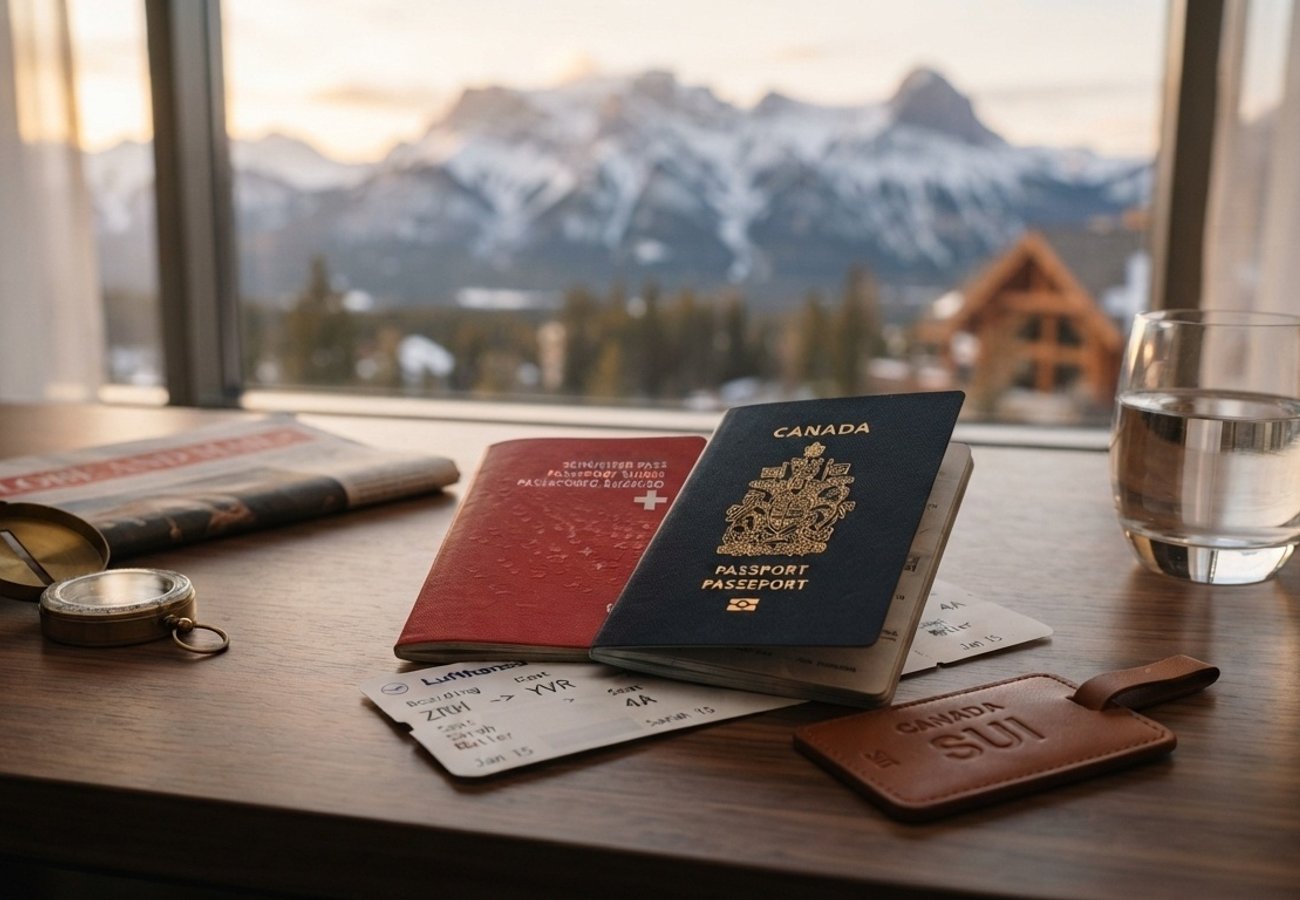
Image generated by AI
When the Swiss Federal Department of Foreign Affairs released a revised travel advisory for Canada on August 6, 2026, it highlighted the growing need for administrative precision and environmental caution when visiting North America. Although Canada maintains its high safety rating, the updated guidelines warn Swiss nationals about urban demonstrations, complex electronic authorizations, and regional winter transit hazards.
The Local Trend Revealed: Regional Regulatory Tracking and eTA Clearance
The international travel sector is experiencing a significant shift where historically low-risk destinations are subject to detailed, multi-layered travel advisories from European governments. Rather than providing general safety approvals, authorities are issuing comprehensive guides that outline provincial legal variations, electronic travel authorization (eTA) rules, and localized security precautions. Switzerland's updated advisory for Canada represents this trend, focusing on helping travelers navigate administrative and environmental systems across the country's vast territory.
The focus on digital credentials like the Electronic Travel Authorisation (eTA) ensures that borders remain secure while facilitating smooth entries. Immigration authorities at Canadian airports conduct detailed interviews to verify that visitors' travel goals align with their visa categories. Preparing a physical folder with hotel bookings and return flight details can help prevent secondary inspections.
The Swiss guidance identifies several operational areas where travelers must exercise caution:
- Crowded urban locations, including cafés, shopping centers, and public markets, where unexpected incidents can occur.
- Municipal demonstrations and public protests in major cities that can cause transport delays.
- Immigration and customs procedures, requiring eTA registration before boarding flights.
- Provincial legal variations regarding alcohol, narcotics, and public order rules.
- Logistical challenges, including long driving distances and challenging winter road conditions.
- Wildlife encounters and remote wilderness travel with limited cellular coverage.
Cultural Preservation and Wilderness Safety in Canada's National Parks
For the visitor, the real impact of these updated warnings is the necessity of adopting responsible travel habits when exploring Canada's fragile ecosystems. The country's spectacular national parks, managed by Parks Canada, draw millions of visitors annually for hiking, skiing, and wildlife viewing. The Swiss advisory highlights the risk of vehicle-animal collisions in forested regions, urging drivers to respect wildlife signs and maintain safe speeds to protect both local animal populations and themselves.
Wildfire seasons also present a growing environmental concern in Canada's forested regions. During late summer, fires can affect air quality, lead to park closures, and force local evacuations. Swiss authorities suggest checking real-time wildfire maps and consulting local civil protection agencies before entering remote wilderness areas to prevent safety risks.
For safety and environment conservation, Parks Canada has implemented specialized waste management and food storage guidelines across its backcountry and frontcountry campsites. In bear-inhabited territories (such as the mountain parks of Alberta and British Columbia), campers must store all food, cooking utensils, and personal hygiene products in bear-proof lockers or hang them from high cables. This prevents wildlife habituation, reducing human-animal conflicts and ensuring that the natural feeding habits of black and grizzly bears are not disrupted by tourist traffic.
To support the cultural and environmental preservation of the destination, visitors can engage with local indigenous tourism cooperatives and registered backcountry guides. Choosing to stay in eco-certified lodges, purchasing regional crafts from local communities, and participating in low-impact wilderness activities help preserve Canada's natural heritage. This targeted spending ensures that tourism revenue directly supports the conservation of remote areas rather than accumulating in urban centers.
Transportation Networks and Winter Recreation Hazards
Canada's transportation network is highly developed, with major cities like Toronto, Montreal, Vancouver, and Ottawa offering extensive public transit systems. However, remote and northern regions present unique logistical challenges, especially during winter months when ice and heavy snowfall affect driving conditions. The Swiss advisory specifically warns against underestimating journey times and outlines safety guidelines for popular winter activities like snowmobiling.
Snowmobiling is a major winter tourism draw across the Canadian wilderness, but excessive speed and alcohol consumption lead to serious accidents. Swiss authorities emphasize the necessity of staying on designated trails, using appropriate protective equipment, and adhering to strict provincial laws that treat operating a snowmobile under the influence similarly to driving a car. Saturated winter conditions also mean that emergency service response times in remote areas can be delayed, making thorough trip planning vital.
Canada Travel Guide: Border Regulations and Customs Rules
For Swiss nationals and international travelers planning a journey to Canada, the Swiss Federal Department of Foreign Affairs suggests the following tips:
- Optimal Booking Windows: Schedule your wilderness and national park trips during the shoulder seasons of late spring (May to June) or early autumn (September to October) to avoid peak summer crowds and winter road hazards.
- eTA Registration Etiquette: Apply for your Electronic Travel Authorisation (eTA) through the official Canadian government portal at least seventy-two hours before your flight to avoid check-in delays.
- Provincial Law Compliance: Confirm local drinking ages and alcohol sales rules before crossing provincial borders, as laws vary (either eighteen or nineteen years of age) depending on the province.
- Sample Regional Cuisine: Support local agricultural communities during your road trips. Sample traditional poutine in Quebec, try fresh wild Pacific salmon in British Columbia, or purchase local maple syrup directly from family-run sugar shacks.
- Explore Historic Sites: Visit national historic sites and heritage sites, working only with registered local guides to learn about Canada's diverse cultural history.
- The Rocky Mountains Geography: The Canadian Rocky Mountains, stretching across Alberta and British Columbia, are historic for their dramatic peaks, alpine lakes, and diverse wildlife habitats. Serving as a premier destination for global adventure tourism, the region includes national parks like Banff and Jasper. Travelers must prepare for rapid weather shifts, steep mountain terrain, and limited mobile network connectivity in the deep valleys.
- Canadian Customs Rules: Canadian customs regulations are designed to protect native flora and fauna from invasive species, agricultural pests, and foreign soil contaminants. The Canada Border Services Agency (CBSA) enforces strict inspection systems at all international airport arrivals, requiring travelers to declare all food products, plant specimens, wooden items, and animal-derived goods before entry. Failing to declare these items can lead to confiscation, substantial monetary fines, and potential legal prosecution. Travelers are advised to clean their hiking boots and camping gear thoroughly before packing to ensure no foreign soil or seeds are imported.
- Under-the-Radar Quiet Zones: Seek out the quiet viewing decks and wilderness libraries located in national park visitor centers, which offer a peaceful environment away from the main tourist paths.
- Off-Peak Transit Planning: When embarking on long-distance road trips, plan fuel stops and rest breaks in advance, keeping a basic emergency kit and extra drinking water in your vehicle.
Long-Term Outlook for Transatlantic Travel Systems
The updated Swiss travel advisory for Canada highlights the value of administrative precision and weather awareness in transatlantic travel. By demonstrating the importance of clear entry rules and wilderness safety guidelines, both countries are working to build a more structured, resilient visitor economy.
Over the coming decade, continued investments in satellite weather monitoring, digital border infrastructure, and sustainable transit networks will shape the transatlantic travel market. As climate and logistical challenges continue to expand, transport planners and local authorities must prioritize safety coordination. By maintaining high safety standards and promoting responsible travel habits, Canada aims to protect its cultural heritage and natural landscapes for future generations of global travelers.
Disclaimer
This article is for informational and educational purposes only. It does not constitute legal, financial, or professional advice. While we strive to provide accurate and up-to-date information, travel policies, regulations, and conditions change rapidly. Always verify information with official sources before making travel decisions. Nomad Lawyer makes no representations about the accuracy, reliability, completeness, or suitability of the information provided. Readers should consult qualified professionals for advice specific to their circumstances. The views expressed in this article are those of the author and do not necessarily reflect the views of Nomad Lawyer.