
South Africa Diversifies Tourism Strategy with MICE and Cultural Growth in 2026
South Africa is pivoting beyond traditional safari tourism to aggressively grow its MICE, cultural, and culinary sectors, supported by major airport and border infrastructure upgrades in 2026.

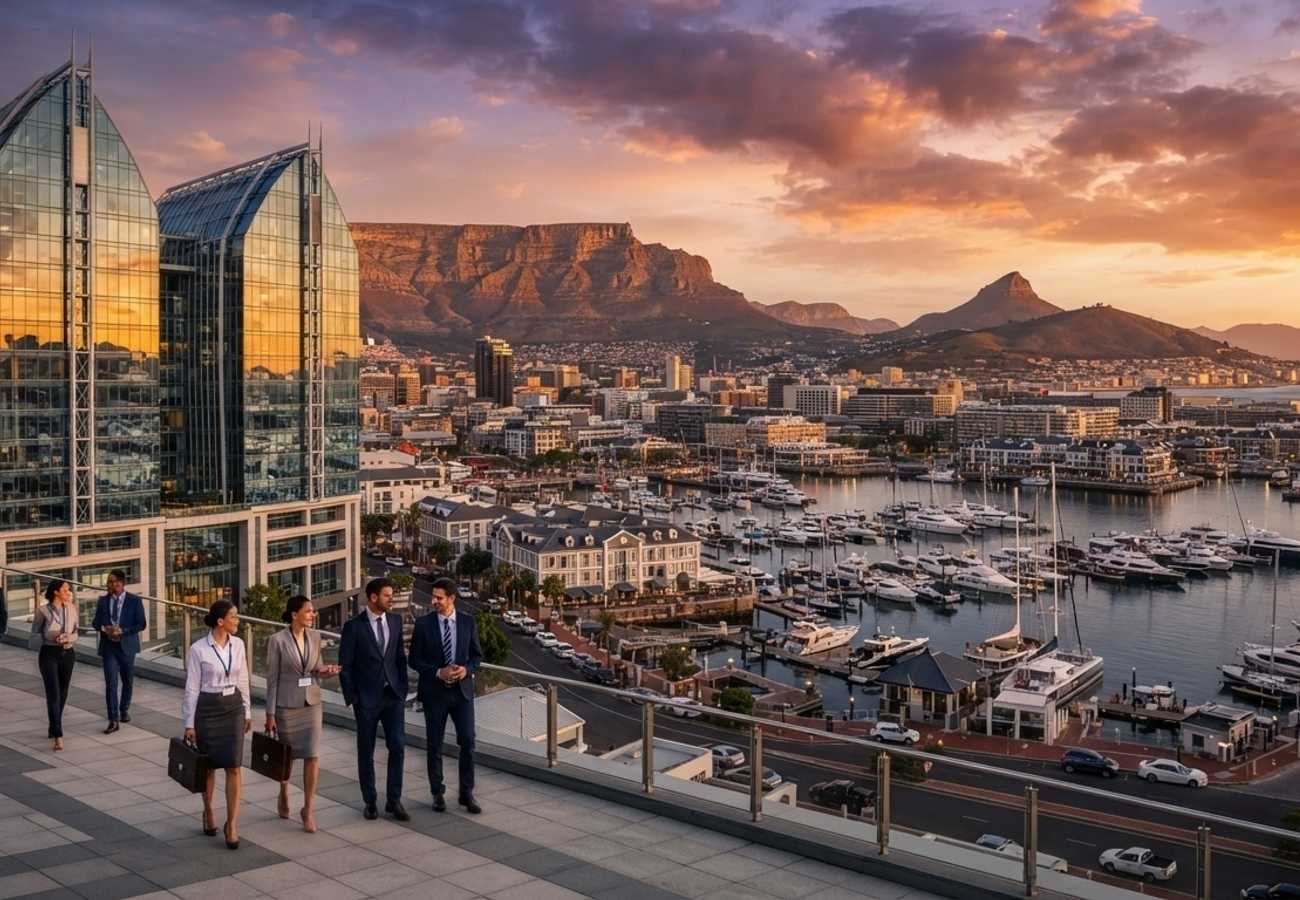
Image generated by AI
South Africa is aggressively pivoting its international appeal away from a sole reliance on wildlife safaris to capture the high-value MICE and cultural travel markets. This strategic shift is backed by critical digital upgrades at major border crossings and aviation hubs to ensure seamless regional connectivity.
Shifting the Tourism Paradigm Beyond the Safari
For decades, the global perception of South Africa has been synonymous with the Kruger National Park and private game reserves. While wildlife conservation remains a primary draw, the national tourism strategy is now evolving to present a multi-dimensional identity.
The current objective is to transition from destination specialization to destination diversity. By promoting vibrant urban centers, gastronomy, and adventure tourism, the country aims to encourage international visitors to extend their stay and venture beyond traditional wildlife circuits.
This diversification is designed to distribute economic benefits more evenly across multiple provinces, ensuring that local businesses outside the safari hubs can capitalize on increased visitor traffic.
MICE Tourism as a High-Value Economic Driver
Meetings, Incentives, Conferences, and Exhibitions (MICE) have been elevated to a national priority. South Africa is positioning itself as the premier African hub for corporate events, leveraging world-class convention centers in Johannesburg, Cape Town, and Durban.
The focus on MICE is strategic for several reasons:
- Higher Expenditure: Business travelers typically spend more per capita than leisure tourists.
- Extended Stays: Corporate visitors often extend their trips for leisure, creating a "bleisure" effect.
- Seasonal Stability: Business events generate demand throughout the year, mitigating the volatility of traditional holiday seasons.
These facilities now regularly host global summits across critical sectors, including healthcare, technology, mining, and scientific research.
Elevating Cultural and Gastronomic Appeal
Parallel to the business surge, there is a concentrated effort to market South Africa's "human" geography. The strategy emphasizes community-based experiences that highlight the nation's complex cultural identity.
Key areas of focus include:
- The Cape Winelands: Integrating luxury gastronomy with agricultural heritage.
- Urban Exploration: Promoting art districts and historic neighborhoods in Cape Town and Johannesburg.
- Heritage Sites: Expanding visibility for cultural attractions in the Eastern Cape and KwaZulu-Natal.
- Township Tourism: Offering authentic, community-led experiences that provide deeper social insight.
Modernizing Gateways and Regional Connectivity
Infrastructure is the backbone of this expansion. To facilitate easier movement for both business and leisure travelers, South Africa is implementing significant upgrades at critical transit points.
Border Post Digitalization
The government is focusing on the Beitbridge Border Post (connecting to Zimbabwe) and the Lebombo Border Post (linking to Mozambique). These projects involve:
- Implementation of digital border management systems.
- Modernization of passenger processing facilities.
- General transport infrastructure upgrades to reduce congestion.
Aviation Hub Enhancements
To maintain its status as a regional aviation leader, investments are being channeled into three primary gateways:
- OR Tambo International Airport
- Cape Town International Airport
- King Shaka International Airport
These upgrades focus on operational efficiency, digital service integration, and reduced processing times to accommodate the rising volume of international arrivals.
Strategic Implementation Timeline
The transition toward a diversified tourism economy has been rolled out in phased stages to ensure sustainable growth.
| Period | Strategic Focus | Key Actions |
|---|---|---|
| 2023–2024 | Market Expansion | Intensified global promotion of MICE and cultural tourism |
| 2025 | Infrastructure Acceleration | Rapid modernization of major airports and border posts |
| 2026 | Digital Integration | Continued investment in digital transport and diversified products |
| Long Term | Sustainable Growth | Strengthening global competitiveness through holistic visitor experiences |
Key Takeaways
- Diversification: South Africa is moving from a "safari-only" image to a comprehensive offering including MICE, culture, and culinary arts.
- Economic Impact: Business tourism is being prioritized due to higher spending patterns and year-round demand.
- Infrastructure: Digital upgrades at Beitbridge and Lebombo border posts are critical for regional land travel.
- Aviation: Major airports (OR Tambo, Cape Town, King Shaka) are enhancing digital services to boost connectivity.
- Resilience: A broader tourism portfolio reduces vulnerability to seasonal fluctuations and global market shifts.
Frequently Asked Questions
What is MICE tourism and why does it matter for South Africa? MICE stands for Meetings, Incentives, Conferences, and Exhibitions. It is a high-value sector because business travelers typically stay longer and spend more than average leisure tourists, providing a more stable economic stream.
Which border crossings are being upgraded? The Beitbridge Border Post (Zimbabwe border) and the Lebombo Border Post (Mozambique border) are undergoing digital and physical modernization to reduce congestion.
How is the country changing its marketing approach? Instead of focusing solely on wildlife, South Africa is now promoting its wine regions, urban art districts, township experiences, and world-class business facilities to attract a wider variety of international travelers.
South Africa is successfully redefining its global brand, blending its wild heritage with modern corporate infrastructure to build a resilient tourism future.
Related Travel Guides
Disclaimer
This article is for informational and educational purposes only. It does not constitute legal, financial, or professional advice. While we strive to provide accurate and up-to-date information, travel policies, regulations, and conditions change rapidly. Always verify information with official sources before making travel decisions. Nomad Lawyer makes no representations about the accuracy, reliability, completeness, or suitability of the information provided. Readers should consult qualified professionals for advice specific to their circumstances. The views expressed in this article are those of the author and do not necessarily reflect the views of Nomad Lawyer.
Preeti Gunjan
Contributor & Community Manager
A passionate traveller and community builder. Preeti helps grow the Nomad Lawyer community, fostering engagement and bringing the reader experience to life.
Learn more about our team →