
Switzerland Expands Alpine Tobogganing Routes to Diversify Winter Tourism in 2026
Switzerland is revolutionizing winter travel by promoting alpine tobogganing as a high-access alternative to skiing, featuring over 70km of groomed routes in Interlaken and extensive networks in the Jungfrau Region.
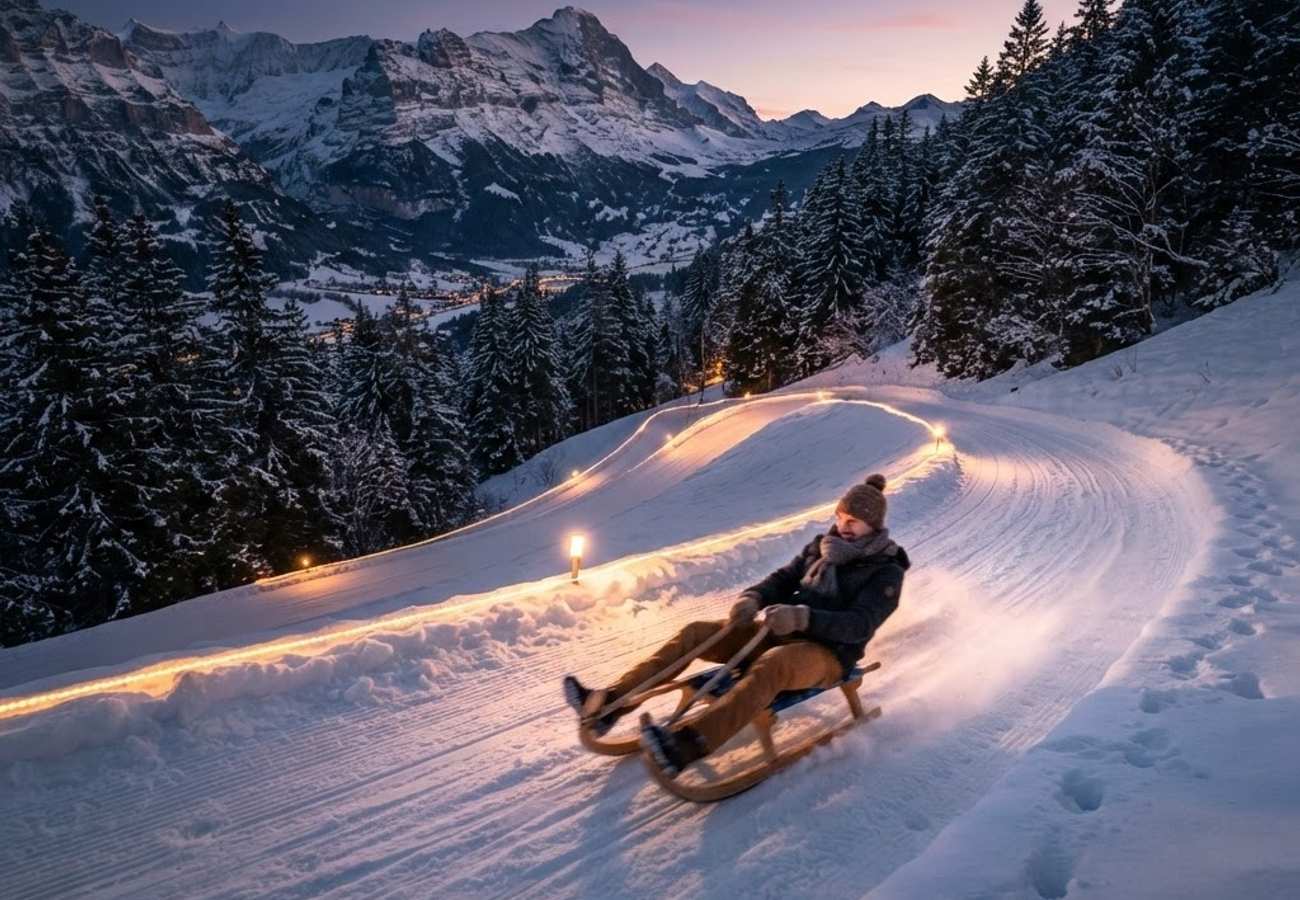
Image generated by AI
Swiss winter tourism is shifting toward "slow adventure," with alpine tobogganing emerging as a primary draw for non-skiers. This transition allows travelers to access high-altitude landscapes without the steep learning curve or cost of traditional ski resorts.
The Swiss Alps are seeing a strategic pivot in winter tourism, moving beyond the dominance of skiing to embrace alpine tobogganing. By unlocking hidden snow adventures, Switzerland is targeting a broader demographic—including families and first-time winter visitors—who seek the thrill of the mountains without the technical requirements of downhill skiing.
These experiences integrate the country's world-class infrastructure with traditional winter recreation. From night-time illuminated descents to routes connected by mountain railways, the focus is on accessibility and immersive nature experiences.
Why Tobogganing is Replacing Traditional Skiing for Many
The surge in tobogganing popularity is driven by the removal of barriers to entry. While skiing requires expensive gear and often weeks of instruction, sledging is intuitive and affordable.
Travelers are increasingly choosing this path for several specific reasons:
- Low Technical Barrier: Suitable for all ages and skill levels.
- Cost Efficiency: A significantly more affordable alternative to lift passes and ski rentals.
- Cultural Immersion: Use of traditional wooden sledges connects visitors to historic Alpine mountain community traditions.
- Integrated Transit: Many routes are designed to work with cable cars and mountain trains, allowing for "up-by-rail, down-by-sled" itineraries.
Primary Hubs for Swiss Snow Adventures
Switzerland has designated several key regions as centers for this winter activity, each offering a distinct experience based on terrain and infrastructure.
The Jungfrau Region As a premier destination, this region features over 50 kilometres of sledging routes. It is particularly noted for its diversity, offering runs through Grindelwald, Mürren, and Männlichen. The region also specializes in night sledging, where routes are illuminated for travel under the stars.
Interlaken For those seeking groomed precision, Interlaken provides access to more than 70 kilometres of maintained sledging paths. These routes wind through forests and past mountain huts, balancing speed with scenic tranquility.
Grindelwald and Graubünden Grindelwald is the go-to for dramatic vistas of the highest peaks, while Graubünden blends traditional village charm with varied routes designed for different experience levels.
Logistics and Visitor Access
Reaching these remote slopes is streamlined through Switzerland's primary aviation hubs: Zurich, Geneva, and Basel airports. From there, the national railway network provides direct conduits to the mountain regions.
For those planning a trip, the following logistics are essential:
- Transport: The Swiss Travel Pass is recommended for seamless transitions between cities and mountain railways.
- Equipment: Sledges are available for local rental in most hubs, eliminating the need for international travelers to transport bulky gear.
- Planning: Visitors should verify seasonal opening dates and mountain railway schedules, as these are weather-dependent.
Regional Capability Comparison
| Destination | Key Feature | Route Length/Scale | Primary Appeal |
|---|---|---|---|
| Jungfrau Region | Night Sledging | 50+ km | High-altitude peaks & variety |
| Interlaken | Groomed Paths | 70+ km | Forest scenery & accessibility |
| Grindelwald | Dramatic Vistas | Regional Network | Proximity to famous peaks |
| Graubünden | Traditional Charm | Regional Network | Village culture & varied terrain |
The Shift Toward "Slow Tourism"
The rise of tobogganing signals a broader trend in the travel industry: the move toward slow tourism. Rather than competitive sports, modern travelers are prioritizing activities that emphasize local culture, nature, and mental well-being.
By diversifying its winter portfolio, Switzerland is ensuring that its mountain economies remain resilient. By catering to families and adventure seekers who avoid skiing, the country is expanding its market reach while preserving the heritage of the wooden sledge.
A shift from the slopes to the sleds is making the Swiss Alps more inclusive than ever before.
Related Travel Guides
Disclaimer
This article is for informational and educational purposes only. It does not constitute legal, financial, or professional advice. While we strive to provide accurate and up-to-date information, travel policies, regulations, and conditions change rapidly. Always verify information with official sources before making travel decisions. Nomad Lawyer makes no representations about the accuracy, reliability, completeness, or suitability of the information provided. Readers should consult qualified professionals for advice specific to their circumstances. The views expressed in this article are those of the author and do not necessarily reflect the views of Nomad Lawyer.