
Swiggy Food on Train Expands to 201 Indian Railway Stations to Meet Rising E-Catering Demand in 2026
Swiggy has scaled its Food on Train service to 201 stations across India, integrating with IRCTC and travel apps to provide regional cuisine to rail passengers.

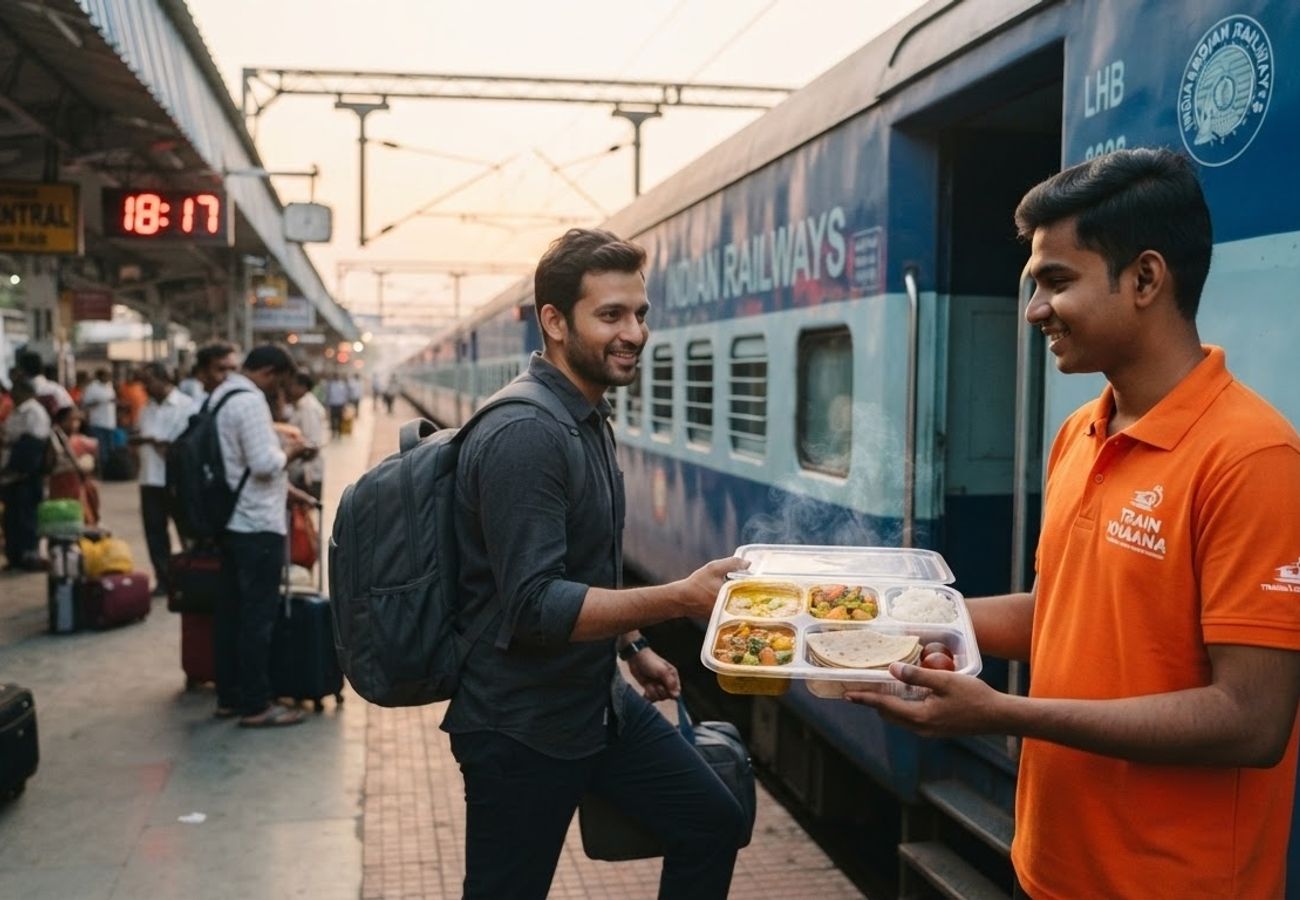
Image generated by AI
India's rail passengers no longer have to rely on generic pantry cars, as Swiggy has expanded its Food on Train service to 201 stations. This massive scale-up reflects a fundamental shift in how millions of travelers access regional cuisine during long-distance journeys.
The integration of app-based food delivery into the Indian rail network has transitioned from a niche pilot program to a national infrastructure. By leveraging a partnership with the Indian Railway Catering and Tourism Corporation (IRCTC), Swiggy is now embedding high-quality, restaurant-sourced meals directly into the travel workflow of the modern passenger.
Rapid Scaling of the E-Catering Network
The growth of Swiggy’s rail footprint has been aggressive. The service began with a memorandum of understanding with IRCTC in March 2024, initially focusing on key hubs like Bengaluru, Bhubaneswar, Visakhapatnam, and Vijayawada.
The expansion trajectory shows a clear acceleration:
- 2024: 66 stations
- Mid-2025: Over 100 stations across 20 states
- Late 2025 (Festive Season): Over 115 stations
- August 2026: 201 stations
This threefold increase since 2024 indicates that e-catering is no longer an optional luxury but a standard expectation for passengers who book their tickets and seats digitally.
Bringing Regional Culinary Identity to the Tracks
A primary driver of this expansion is the demand for authentic regional flavors. Rather than standardized menus, Swiggy is utilizing its network to offer dishes specific to the geography of the stop.
Travelers passing through Rajasthan can now order local specialties from Bikaner and Udaipur, while those in Maharashtra can access authentic meals from Nanded and Nandurbar. In Karnataka, the service has expanded to include Davangere.
The menu variety is designed to appeal to a broad demographic:
- Traditional: North Indian thalis, parathas, South Indian idlis, and dosas.
- Modern/Youth: Biryanis, Indo-Chinese fusion, pizzas, and various desserts.
- International: Curated local recommendations for foreign tourists navigating the rail system.
Strategic Integrations and Logistics
The operational success of the 201-station network relies on deep technical integration. Passengers provide their PNR (Passenger Name Record), select a station, and receive delivery at their specific coach and seat.
In April 2026, Swiggy expanded its reach by partnering with travel platforms ixigo Trains and ConfirmTkt. This allows users to browse thousands of restaurant partners across more than 160 stations and track their orders in real time without leaving their primary trip-planning app.
This ecosystem creates a symbiotic relationship between the platform and local economies. Small-town restaurants in tier-2 and tier-3 cities now have a digital storefront that provides a consistent stream of customers from passing trains, supplementing their local walk-in trade.
Analyzing Passenger Behavior and Spending Trends
Data from the second quarter of 2026 (April to June) reveals a significant shift in passenger habits. Swiggy reported a threefold year-on-year increase in total Food on Train orders.
More interestingly, a new trend of "tasting itineraries" has emerged. Data shows that passengers booking meals at two or more stations on a single PNR have increased by several hundred percent year-on-year. These multi-stop diners spend more than twice as much as those ordering at a single location.
Furthermore, the service is acting as a customer acquisition tool. A significant portion of orders at mid-sized stations come from "new-to-Swiggy" users, meaning the railway experience is introducing millions of passengers to app-based delivery for the first time.
Operational Hurdles in High-Density Corridors
Despite the growth, the leap to 201 stations introduces significant logistical pressure. E-catering requires perfect synchronization between restaurant preparation, delivery courier movement, and the real-time location of the train.
Challenges include:
- Schedule Volatility: Heavy delays or brief halts can compress delivery windows.
- Consistency: Maintaining food safety and packaging standards across hundreds of independent vendors.
- Reliability: User feedback indicates a variance in experience, from seamless delivery to missed connections during peak travel seasons.
To mitigate this, the service operates under IRCTC’s strict guidelines regarding hygiene, packaging, and delivery protocols to ensure a standardized experience across the network.
Network Expansion Summary
| Metric | 2024 Status | 2026 Status | Growth Factor |
|---|---|---|---|
| Total Stations | 66 | 201 | ~3x |
| Order Volume (Q2 YoY) | Base | 3x Increase | 300% |
| Multi-Station Orders | Low | Significant Increase | Several Hundred % |
| Passenger Spend (Multi-stop) | Standard | >2x Single-stop | 200%+ |
Key Takeaways
- Massive Scale: Swiggy now services 201 stations, moving far beyond its initial pilot phase.
- Strategic Tech: Partnerships with ixigo and ConfirmTkt have integrated food ordering into the ticket-booking process.
- Culinary Tourism: Passengers are increasingly using e-catering to sample regional specialties from cities like Udaipur and Bikaner.
- Economic Impact: Local restaurants in smaller towns are gaining national visibility and new revenue streams.
- Spending Shifts: Long-distance travelers are spending more by ordering multiple times across different stations.
FAQ
How do I order food on a train via Swiggy? Passengers enter their PNR number into the Swiggy app or integrated partner apps (like ixigo), select the station where they want the food delivered, and choose from available restaurant menus.
Which stations are covered? The service now covers 201 stations, including major hubs and smaller cities like Bikaner, Udaipur, Nanded, and Davangere.
What happens if the train is delayed? While Swiggy offers refund policies for unfulfilled orders, delivery depends on real-time train movements and the coordination between the restaurant and the delivery partner.
The digitalization of the Indian rail experience continues to transform the journey from a logistical necessity into a curated culinary tour.
Related Travel Guides
Disclaimer
This article is for informational and educational purposes only. It does not constitute legal, financial, or professional advice. While we strive to provide accurate and up-to-date information, travel policies, regulations, and conditions change rapidly. Always verify information with official sources before making travel decisions. Nomad Lawyer makes no representations about the accuracy, reliability, completeness, or suitability of the information provided. Readers should consult qualified professionals for advice specific to their circumstances. The views expressed in this article are those of the author and do not necessarily reflect the views of Nomad Lawyer.
Naina Thakur
Contributor & Travel Specialist
Travel enthusiast and legal writer covering visa regulations, responsible tourism, and cultural journeys across global destinations.
Learn more about our team →