
Sweden Secures Alstom Maintenance Contract for 87 SJ Night Train Vehicles to Boost Arctic Rail Travel in 2026
Sweden has partnered with Alstom to maintain 87 SJ night train vehicles, ensuring reliable rail connectivity between Stockholm and Arctic destinations like Narvik and Umeå.

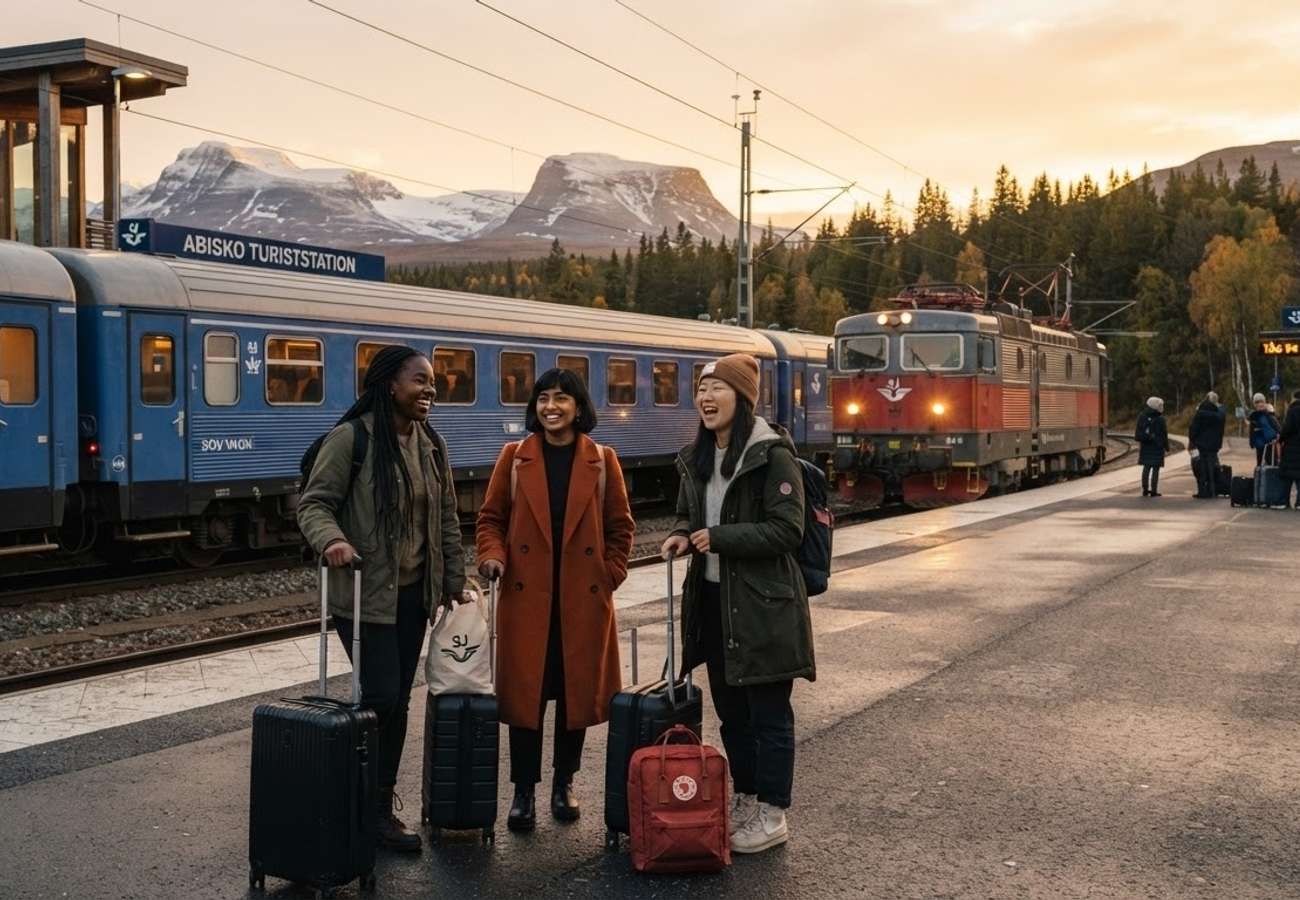
Image generated by AI
[Luleå, July 13, 2026] — Sweden is aggressively reinforcing its long-distance overnight rail infrastructure this month through a strategic two-year maintenance agreement with Alstom. The contract covers 87 SJ night train vehicles, consisting of 12 locomotives and 75 passenger carriages, to ensure the stability of critical corridors connecting Stockholm with Umeå and Narvik.
This initiative arrives as northern Sweden sees a surge in demand for sustainable transport options. By prioritizing the operational integrity of its current fleet, the Swedish government is addressing the immediate needs of regional economies and the growing sector of eco-conscious Arctic tourism.
Strategic Fleet Management for Stockholm and Narvik Routes
The scope of the Alstom agreement focuses on one of the most vital passenger rail assets in the Nordic region. These 87 vehicles are the backbone of the transport links between southern urban centers and northern communities, specifically serving the Stockholm–Umeå and Stockholm–Narvik lines.
To ensure maximum efficiency, maintenance operations will be centralized at Alstom’s Luleå facility. This hub will be augmented by supporting technical operations in Umeå and Kiruna. Currently, approximately 60 specialized employees are deployed across these northern sites, fostering a localized ecosystem of railway expertise and providing stable regional employment.
The technical challenge of this contract is significant, as the fleet comprises sleeper coaches and locomotives from various production generations. Maintenance teams are tasked with managing complex mechanical systems and passenger amenities, while simultaneously solving the problem of obsolete components and the natural degradation of aging equipment.
Industry observers note that this strategy reflects a broader European trend. Rather than pursuing immediate, costly fleet replacements, many national operators are now utilizing advanced lifecycle management to extend the utility of existing rolling stock.
Driving Sustainable Tourism Growth via Overnight Rail
Beyond the technical specifications of the contract, the move signals a pivot toward "slow travel"—a growing preference for journeys that prioritize environmental sustainability and experiential value over speed.
Sweden’s night trains offer a viable, low-carbon alternative to domestic aviation and long-distance road travel. The route from Stockholm to Narvik is particularly significant, as it serves as the primary gateway for travelers seeking the Arctic wilderness, winter sports, and the northern lights.
The Swedish Transport Administration has confirmed that these overnight services are essential for local residents and business continuity. While the government prepares for the delivery of next-generation rolling stock starting in 2030, this maintenance bridge ensures that connectivity remains uninterrupted.
For the global travel market, this represents a unique product. A journey that integrates transport and accommodation into a single scenic experience provides a value proposition that short-haul flights cannot replicate.
Luleå's Evolution into a Northern Railway Command Center
The decision to anchor these operations in Luleå transforms the city from a simple repair site into a sophisticated hub for railway lifecycle services. This regional focus is critical given the extreme environmental pressures of the Arctic.
Trains operating in northern Sweden face brutal winters, heavy snowfall, and immense distances, all of which accelerate wear and tear. By utilizing Alstom’s FlexCare Perform services, the operator can implement targeted refurbishments and component replacements tailored to these harsh conditions.
By decentralizing maintenance away from southern hubs and placing it directly in the Arctic region, Sweden is building a more resilient transport network. This reduces the downtime associated with transporting damaged vehicles over long distances for repair.
Strengthening Arctic Tourism and International Connectivity
Reliable rail infrastructure is a primary driver for destination marketing in northern Sweden. As international travelers increasingly seek sustainable ways to visit the Arctic Circle, the ability to travel comfortably from Stockholm by rail becomes a decisive factor in visitor choices.
The Stockholm–Narvik line also holds significant international value by linking the Swedish interior with the fjords and coastal attractions of northern Norway. This creates a seamless cross-border tourism corridor, allowing visitors to experience two different Arctic landscapes via a single rail journey.
Regional hotels and tour operators are expected to benefit from this increased reliability. When travelers can depend on a scheduled overnight arrival in remote northern destinations, the viability of non-aviation-based tourism packages increases.
The Broader Impact on European Rail Modernization
The partnership between SJ and Alstom is a microcosm of a larger shift across the European continent. As nations attempt to revive night trains to meet climate goals, the primary bottleneck is often the lack of available and reliable rolling stock.
Sweden's approach suggests that the path to sustainable mobility is not solely through the purchase of new assets, but through the intelligent preservation of existing ones. The two-year agreement, valued at tens of millions of euros, underscores the economic viability of high-level maintenance.
Countries that can successfully blend the modernization of tracks with the rigorous upkeep of current fleets will likely hold a competitive edge in the sustainable tourism market.
Why This Matters: The Shift Toward Asset Longevity
The Swedish model reveals a critical insight often overlooked in aviation and rail discussions: the "innovation gap" between current fleet retirement and the delivery of new technology. By investing heavily in the maintenance of 87 older vehicles, Sweden is avoiding a service vacuum that would otherwise push travelers back toward carbon-heavy air travel.
This strategy proves that sustainable travel is an operational challenge as much as a technological one. The ability to keep a 20th-century carriage running with 21st-century precision allows for an immediate reduction in carbon footprints without waiting for a 2030 delivery date. For the travel industry, this confirms that the "next revolution" in sustainable transport may not be a new vehicle, but a new way of managing the ones already on the tracks.
The Arctic rail corridor is evolving from a simple transport link into a sustainable tourism engine.
Related Travel Guides
Disclaimer
This article is for informational and educational purposes only. It does not constitute legal, financial, or professional advice. While we strive to provide accurate and up-to-date information, travel policies, regulations, and conditions change rapidly. Always verify information with official sources before making travel decisions. Nomad Lawyer makes no representations about the accuracy, reliability, completeness, or suitability of the information provided. Readers should consult qualified professionals for advice specific to their circumstances. The views expressed in this article are those of the author and do not necessarily reflect the views of Nomad Lawyer.
Preeti Gunjan
Contributor & Community Manager
A passionate traveller and community builder. Preeti helps grow the Nomad Lawyer community, fostering engagement and bringing the reader experience to life.
Learn more about our team →