
Suriname Ecotourism Guide 2026: Amazon River Lodges and Central Nature Reserve Exploration
Discover Suriname's emerging ecotourism sector, featuring 93% forest cover, UNESCO-protected rainforests, and immersive river lodge experiences in the Amazon basin.

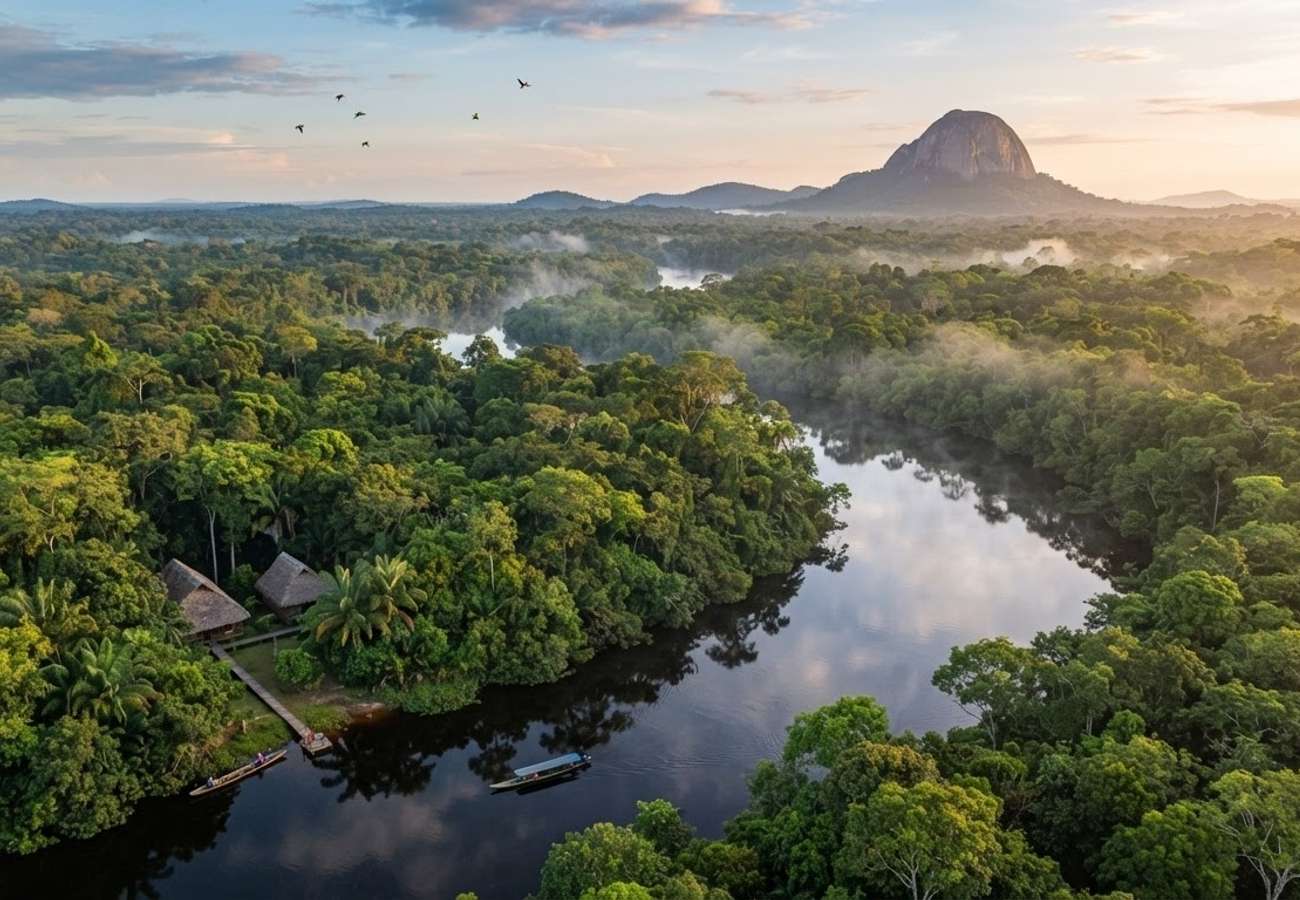
Image generated by AI
Suriname maintains one of the highest forest cover rates globally at approximately 93%, offering a rare, unexploited Amazonian experience for the modern traveler.
While much of South America has succumbed to mass tourism, Suriname has positioned itself as a sanctuary for low-impact exploration. The country's tourism model avoids concentrated resort zones, instead distributing visitor activity across rainforest communities, protected landscapes, and intricate river networks.
Strategic Hubs for Amazonian Exploration
The interior of Suriname is primarily accessed via its river systems, which serve as the lifelines for both local communities and the tourism sector. Specialized eco-lodges act as base camps for those venturing into the wild.
- Danpaati River Lodge: Situated along the Suriname River, this lodge integrates rainforest excursions with deep dives into Maroon culture. Guests utilize boat transport to navigate forest waterways and engage with surrounding indigenous communities.
- Bergendal Eco & Cultural River Resort: Located closer to the capital, Paramaribo, Bergendal serves as an accessible entry point. It is ideal for travelers seeking a wilderness transition without an immediate, multi-day journey into the deep interior.
- Anaula Nature Resort: This river-based facility focuses on wildlife observation and cultural immersion, utilizing boat journeys to penetrate dense tropical vegetation and connect visitors with local traditions.
Cultural Integration and the Maroon Legacy
Ecotourism in Suriname extends beyond botany and zoology. A significant portion of the travel experience involves the Maroon communities—descendants of Africans who established independent settlements in the interior after escaping slavery.
Visitors engaging with these communities, particularly the Saramaccan people along the upper Suriname River, gain access to traditional knowledge, music, crafts, and culinary practices. This integration ensures that tourism provides direct economic benefits to the guardians of the forest.
Biodiversity and Wildlife Safaris
The river networks are the primary corridors for wildlife viewing. Unlike traditional open-terrain safaris, Suriname's expeditions move through narrow channels and forest waterways.
Guided safaris focus on identifying caimans, monkeys, and diverse avian species. Night excursions are highly recommended, as the rainforest ecosystem shifts character after dark, bringing out nocturnal predators and insects.
Protected Wilderness and Adventure Landmarks
Suriname's conservation efforts are anchored by massive protected zones that ensure the long-term viability of its biodiversity.
The Central Suriname Nature Reserve
Established in 1998, this reserve protects approximately 1.6 million hectares of tropical rainforest. Its ecological significance was recognized globally in 2000 when it was inscribed on the UNESCO World Heritage List. The reserve is characterized by a rugged terrain of mountains, waterfalls, and primary forest.
Voltzberg Granite Dome
For those seeking physical challenge, Voltzberg is a premier destination. This dramatic granite dome rises above the canopy, requiring a strenuous trek through the jungle to reach the summit, which offers panoramic views of the surrounding wilderness.
Bigi Pan Wetlands
In western Suriname, Bigi Pan provides a stark contrast to the deep rainforest. This multiple-use management area consists of mangroves, lagoons, and mudflats. It is a critical habitat for birdwatchers and researchers, offering a specialized ecosystem distinct from the interior highlands.
Conservation-First Tourism Model
The absence of large-scale tourism infrastructure is a deliberate advantage. By focusing on small-scale lodges and community-led guiding, Suriname prevents the environmental degradation seen in other Amazonian regions. This "small-scale" approach attracts a specific niche of travelers from North America and Europe who prioritize authenticity and ecological integrity over luxury amenities.
Suriname Ecotourism Quick Reference
| Feature | Detail | Significance |
|---|---|---|
| Forest Cover | Approximately 93% | One of the highest global percentages |
| Central Nature Reserve | 1.6 Million Hectares | UNESCO World Heritage Site (since 2000) |
| Primary Access | River-based (Suriname River) | Essential for interior exploration |
| Key Wildlife | Caimans, Monkeys, Tropical Birds | High biodiversity in river corridors |
| Key Landmarks | Voltzberg, Bigi Pan | Hiking and Birdwatching hubs |
| Cultural Focus | Maroon & Saramaccan | Indigenous and historical immersion |
Key Takeaways
- Unspoiled Nature: With 93% forest cover, Suriname is one of the least exploited tropical destinations in South America.
- River-Centric Travel: Lodges like Danpaati, Bergendal, and Anaula are the primary gateways to the interior.
- UNESCO Protection: The 1.6 million hectare Central Suriname Nature Reserve ensures a pristine wilderness experience.
- Niche Appeal: The country targets eco-conscious travelers over mass-market tourists, emphasizing community-led experiences.
Frequently Asked Questions
What makes Suriname different from other Amazon destinations? Suriname has significantly lower tourist density and a higher percentage of intact forest cover (93%), focusing on community-based ecotourism rather than large-scale resorts.
Is the Central Suriname Nature Reserve accessible to all travelers? While accessible, the reserve is remote. Most visitors utilize guided expeditions from river lodges to reach landmarks like Voltzberg.
What is the best way to experience Maroon culture? The most authentic experiences are found through river-lodge excursions, particularly around the Saramaccan communities on the upper Suriname River.
A frontier for the conscious traveler, Suriname proves that preservation is the ultimate luxury.
Related Travel Guides
Disclaimer
This article is for informational and educational purposes only. It does not constitute legal, financial, or professional advice. While we strive to provide accurate and up-to-date information, travel policies, regulations, and conditions change rapidly. Always verify information with official sources before making travel decisions. Nomad Lawyer makes no representations about the accuracy, reliability, completeness, or suitability of the information provided. Readers should consult qualified professionals for advice specific to their circumstances. The views expressed in this article are those of the author and do not necessarily reflect the views of Nomad Lawyer.
Preeti Gunjan
Contributor & Community Manager
A passionate traveller and community builder. Preeti helps grow the Nomad Lawyer community, fostering engagement and bringing the reader experience to life.
Learn more about our team →