
Saudi Arabia Launches Package Visa Pilot to Bundle Flights and Hotels for Group B International Tourists in 2026
Saudi Arabia has introduced a new Package Visa pilot program allowing eligible international travelers to bundle their tourist entry with flights and licensed accommodations through approved providers.

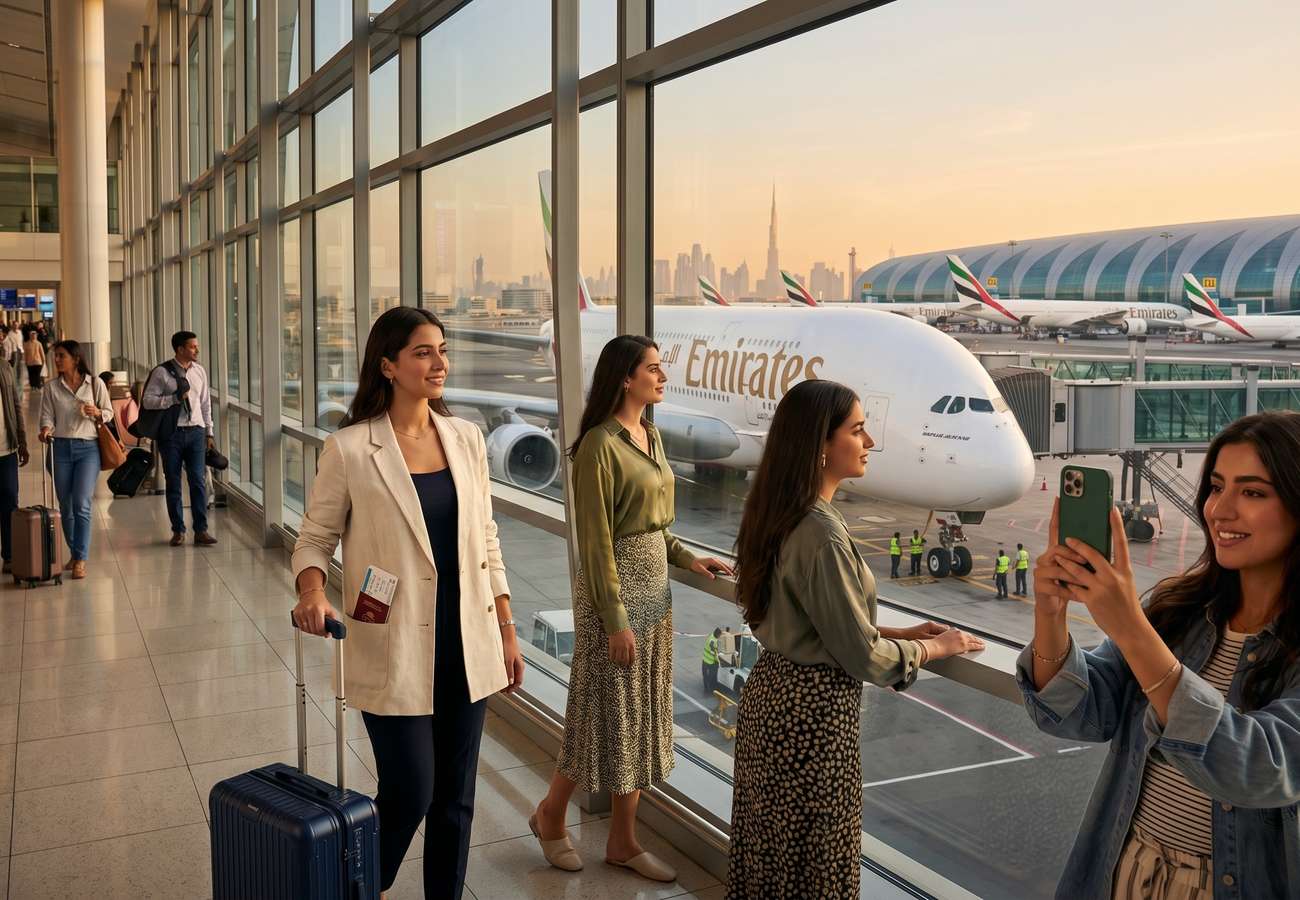
Image generated by AI
[Riyadh, July 8, 2026] — Saudi Arabia has officially initiated a Package Visa pilot program, enabling eligible international visitors to secure tourist entry through integrated travel bundles that combine flights, licensed accommodations, and curated experiences. This strategic rollout is currently limited to qualified travel and tourism service providers within specific international markets before the government implements a global expansion.
By shifting the visa process from a standalone application to a commercial product, the Kingdom is repositioning its inbound tourism strategy. For destination management companies (DMCs), tour operators, and airline partners, this model transforms visa facilitation into a value-added service linked directly to the nation's broader economic diversification goals.
Integration of Visa Processing and Tourism Bookings
The introduction of the Package Visa represents a fundamental change in how the Kingdom manages international leisure travel. Previously, tourist visa applications remained decoupled from the logistics of travel, such as flight reservations and hotel bookings. The new pilot program merges these elements into a single, managed pathway facilitated by authorized providers.
Industry observers note that this shift is less about traveler convenience and more about distribution control. By providing travel sellers with a structured mechanism to bundle air seats and licensed lodging with entry permits, Saudi Arabia is steering demand away from fragmented, independent bookings and toward high-value, curated itineraries.
According to data from the Saudi Tourism Authority, the Package Visa is a digital-first initiative. It creates a direct link between the visa application and pre-approved travel bookings, ensuring that visitors arrive with a structured plan.
Ministry-Linked Agency Model for Visa By Package
Listed on the Saudi National Platform as "Visa By Package," the service operates under the jurisdiction of the Ministry of Foreign Affairs. Official documentation specifies that this e-service is designed for visitors from "Group B" countries, provided they purchase an integrated travel package from an agency licensed by the Ministry of Tourism.
The core components of this product are strictly defined as a flight ticket, a hotel booking, and the visa itself. This structure indicates that the Package Visa is not a general self-service eVisa. Instead, it is a managed channel that relies on licensed intermediaries and digital integration between the tourism and foreign affairs sectors.
The workflow for this process begins with the selection of an agency-led package, followed by a data exchange between government systems, and concludes with visa issuance once security and application checks are completed.
Technical Breakdown of the Package Visa Framework
| Verified Package Visa Element | Officially Confirmed Detail | B2B Travel Trade Impact |
|---|---|---|
| Service Identity | Visa By Package | Establishes a distinct product category for sellers |
| Responsible Authority | Ministry of Foreign Affairs | Aligns tourism bookings with formal state processing |
| Partner Requirement | Ministry of Tourism Licensed Agencies | Limits distribution to verified, qualified sellers |
| Core Components | Hotel, Flight, and Visa | Encourages bundled inventory and higher transaction values |
| Target Audience | Group B visitors | Provides a structured entry route for non-eVisa eligible markets |
| Application Flow | Package purchase $\rightarrow$ Ministry form $\rightarrow$ Approval $\rightarrow$ Visa | Requires agents to manage documentation and timelines |
Distinguishing the Package Visa from Standard eVisas
The Package Visa does not replace the existing Saudi tourist eVisa system but rather complements it. The standard eVisa remains available to citizens of 66 eligible countries, offering a one-year, multiple-entry permit that allows stays of up to 90 days for leisure, family visits, and Umrah (excluding Hajj).
The primary difference lies in the commercial gateway. While the standard eVisa is designed for independent travelers applying through an official portal, the Package Visa requires a third-party licensed provider to act as the front-end commercial channel.
Comparison of Saudi Entry Pathways
| Visa Pathway | Primary User Group | Booking Structure | Commercial Relevance |
|---|---|---|---|
| Standard Tourist eVisa | Eligible country citizens | Independent online application | Ideal for solo travelers and simple visits |
| Visa on Arrival | Visitors meeting specific entry criteria | Processed at the port of entry | Suited for spontaneous or short-term travel |
| Stopover Transit Visa | Transit passengers | Linked to transit flight | Supports short city breaks via airlines |
| Package Visa | Eligible visitors via qualified providers | Bundled flights, hotels, and experiences | Ideal for DMCs, agents, and curated tours |
Economic Drivers and Tourism Yield Strategies
The launch of this pilot coincides with a period where Saudi Arabia is transitioning from increasing visitor volume to maximizing "tourism yield." Official Ministry of Tourism data from 2025 indicates that the Kingdom hosted approximately 123 million total visitors, comprising 29.3 million inbound tourists and 93.3 million domestic travelers.
Another government update noted that inbound tourism spending exceeded SAR 172 billion in 2025. The Package Visa is designed to capture and influence this spending before the traveler even departs their home country. By bundling experiences, the government can better regulate visitor flow, ensure accommodation standards, and encourage longer stays.
Saudi Tourism Performance Metrics (2025)
| Saudi Tourism Indicator | Official Figure | Strategic Implication |
|---|---|---|
| Total Visitors (Domestic + Inbound) | ~123 Million | Tourism infrastructure has reached mature scale |
| Inbound International Visitors | 29.3 to 30 Million | High demand justifies specialized visa channels |
| Domestic Tourists | 93.3 Million | Domestic travel provides the volume base |
| Inbound Spending | > SAR 172 Billion | Bundled packages can increase per-trip expenditure |
| 2030 Target | 150 Million Visitors | Simplified access is key to meeting long-term goals |
Aviation Connectivity and Infrastructure Quality
The scalability of the Package Visa is heavily dependent on the Saudi Air Connectivity Program. This initiative aims to expand the Kingdom's global reach by developing new routes and increasing seat capacity. As of 2025, the program involved 17 partnered airlines and 69 collaborated routes, generating 4.8 million seats.
For travel agents in South Asia, Southeast Asia, and long-haul markets, the Package Visa allows them to market Saudi Arabia as a comprehensive destination rather than a brief stopover. This model is equally beneficial for airlines, as it guarantees that seat sales are tied to confirmed ground arrangements.
Furthermore, the requirement for "licensed" agencies and "approved" hotels acts as a quality filter. By linking the visa to verified providers, the Kingdom reduces the risk of unregulated tourism and ensures that visitors interact with accountable suppliers and high-standard infrastructure.
Saudi Arabia is effectively turning its border policy into a tool for economic engineering and quality control.
Related Travel Guides
Disclaimer
This article is for informational and educational purposes only. It does not constitute legal, financial, or professional advice. While we strive to provide accurate and up-to-date information, travel policies, regulations, and conditions change rapidly. Always verify information with official sources before making travel decisions. Nomad Lawyer makes no representations about the accuracy, reliability, completeness, or suitability of the information provided. Readers should consult qualified professionals for advice specific to their circumstances. The views expressed in this article are those of the author and do not necessarily reflect the views of Nomad Lawyer.
Preeti Gunjan
Contributor & Community Manager
A passionate traveller and community builder. Preeti helps grow the Nomad Lawyer community, fostering engagement and bringing the reader experience to life.
Learn more about our team →