
Submit Amended Merger Application: UP and NS Resubmit Rail Plans to STB
Union Pacific and Norfolk Southern submit amended merger application to the Surface Transportation Board on May 1, 2026, featuring complete traffic data from all North American Class 1 railways after initial rejection.

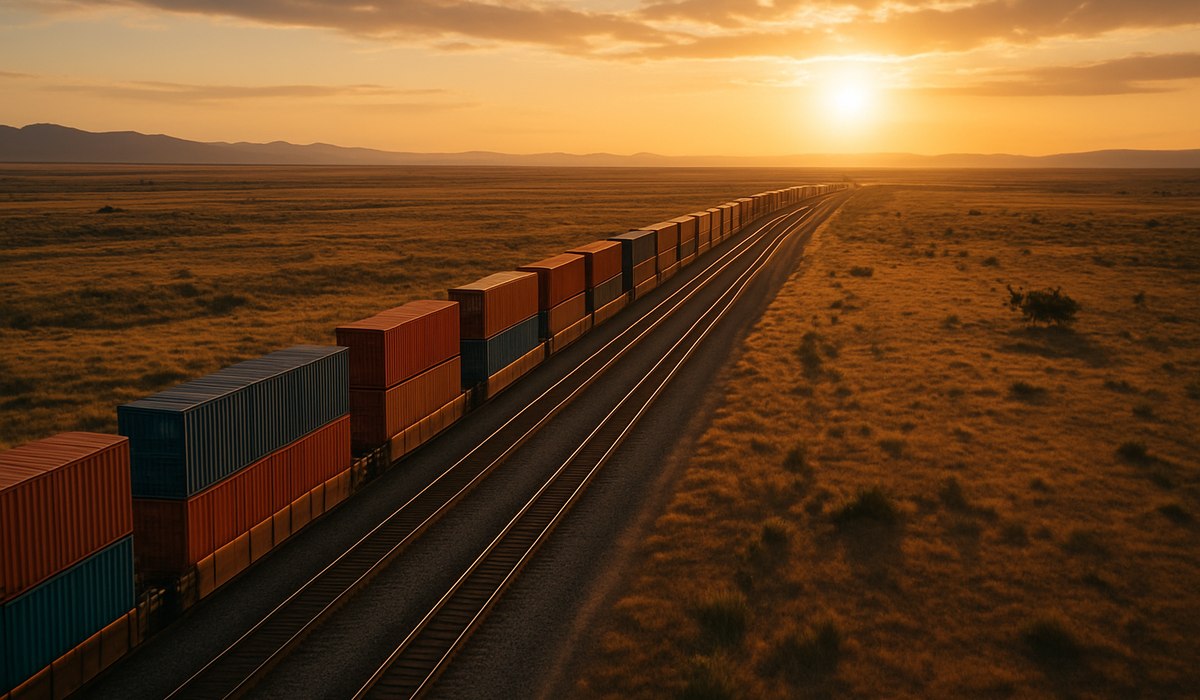
Image generated by AI
Major North American Freight Giants Resubmit Historic Merger Application
Union Pacific and Norfolk Southern filed an amended merger application with the Surface Transportation Board on April 30, 2026, seeking regulatory approval for what would become America's first truly transcontinental railway connecting both coasts. The two Class 1 freight carriers initially submitted their merger proposal in December 2025, but the STB rejected it in January, citing insufficient supporting documentation. This resubmission represents a comprehensive response to regulatory feedback, incorporating 100% actual traffic data from all six North American Class 1 railways instead of sample datasets. The merger promises significant operational and economic benefits for American shippers, logistics operators, and ultimately travelers who benefit from reduced freight costs passed down through consumer pricing.
Amended Application Details and Enhanced Market Analysis
The resubmitted merger application addresses every concern raised during the STB's initial review process. UP and NS conducted an extensive additional analysis demonstrating how the combined entity would optimize freight operations across North America. The companies compiled proprietary traffic data voluntarily provided by all major Class 1 railways, enabling the most comprehensive market assessment in railroad industry history.
The amended filing includes detailed projections showing how coast-to-coast service integration would accelerate growth opportunities. Rather than relying on historical sampling methods, the railroads now present real operational data demonstrating competitive advantages and market dynamics. The application emphasizes customer retention policies and explains how competing railways maintain access through existing interchange agreements and independent routing options.
According to UP and NS leadership, this enhanced documentation proves the merger strengthens rail's competitive position against long-haul trucking while maintaining healthy industry competition. The STB established May 8, 2026, as the public comment deadline, with applicant replies due May 12. Should the board determine the revised application meets completeness requirements, merit-based comments would follow in subsequent review phases.
Market Impact and Projected Savings for Shippers
The amended application quantifies significant economic benefits expected from operational consolidation. UP and NS project removing approximately 2.1 million trucks from American roadways annually through modal shift to combined rail services. This transportation efficiency translates into estimated $3.5 billion in annual shipper savings, according to the companies' economic impact modeling.
These savings emerge through multiple operational improvements: reduced transit times via streamlined routing, enhanced service reliability through unified scheduling, and optimized terminal operations at transcontinental connection points. The companies argue that faster, more dependable coast-to-coast rail service directly competes with trucking industry pricing, forcing competitive rate adjustments throughout the freight transportation sector.
Industry observers note that shipper savings typically flow through supply chains to reduce consumer prices for goods transported across North America. Agricultural commodities, manufactured goods, and automotive products would particularly benefit from improved rail-truck competition. The amended application demonstrates how rail network consolidation serves broader economic interests beyond railroad shareholders.
Competitive Landscape Assurances and Industry Response
UP and NS addressed STB concerns regarding competitive impacts by detailing customer access guarantees and independent routing preservation. The companies committed to maintaining shipper access to competing railways through existing interchange agreements and confirming no elimination of alternative transportation routes.
Norfolk Southern CEO Mark George emphasized that superior service offerings create inherent competition within the railroad industry. He noted that competitors have already responded to the merger announcement with enhanced service proposals, demonstrating how the combination spurs industry-wide innovation. Union Pacific CEO Jim Vena highlighted that America's supply chain requires seamless transcontinental rail connectivity to restore the sector's competitive vitality.
However, opposition emerged immediately. The Stop the Rail Merger Coalition, formed April 29, 2026, opposes consolidation, citing concerns about concentrated market control. The coalition includes Class 1 competitors BNSF and CPKC, claiming the merger would give one entity influence over nearly half of national rail traffic. This opposition will likely feature prominently during the STB's merit review phase scheduled to begin after May 12.
Surface Transportation Board Review Process and Timeline
The STB's regulatory framework requires multi-phase evaluation of major railroad mergers. The current phase focuses on application completeness, with the board determining whether UP and NS have provided adequate information addressing previous rejections. This procedural assessment occurs before substantive merit review begins.
The board established specific procedural milestones: public comment period ending May 8, applicant reply period concluding May 12, and subsequent board decisions regarding application acceptance. If accepted, the STB would then invite broader public comment addressing merger impacts, competitive effects, and shipper/customer concerns. Additional hearings or evidentiary proceedings might follow depending on the level of opposition and complexity of competitive issues raised.
The companies anticipate completing regulatory approval processes by mid-2027, enabling operational integration throughout the latter half of 2027. This timeline assumes no significant additional information requests or extended evidentiary proceedings. However, coordinated opposition from competitors and potentially affected stakeholders could extend the review period beyond initial projections. The STB maintains discretionary authority to request supplemental analyses or hold extended public hearings before issuing final merger authorization decisions.
Key Data: Merger Application Comparison and Timeline
| Metric | Initial Application | Amended Application | Difference |
|---|---|---|---|
| Submission Date | December 19, 2025 | April 30, 2026 | 133 days |
| Traffic Data Source | Sample Data (STB sources) | 100% Actual Data (all 6 Class 1 railways) | Complete dataset |
| Projected Annual Savings | Not quantified | $3.5 billion USD | Fully documented |
| Truck Removal Projection | Not specified | 2.1 million vehicles | Detailed modeling |
| STB Decision | Rejected January 16, 2026 | Pending (post-May 12) | Under review |
| Competitive Opposition | None documented | Stop the Rail Merger Coalition formed April 29, 2026 | Active resistance |
| Projected Completion | First half 2027 | First half 2027 | Unchanged |
| Public Comment Deadline | N/A | May 8, 2026 | 7 days from filing |
| Applicant Reply Deadline | N/A | May 12, 2026 | 12 days from filing |
What This Means for Travelers
The UP-NS merger would indirectly affect travelers through multiple economic and logistical channels. Here are key takeaways:
-
Reduced Shipping Costs: The projected $3.5 billion in annual shipper savings typically translates to lower consumer prices for goods transported via rail, benefiting travelers purchasing cross-country shipments or travel-related merchandise.
-
Improved Freight Reliability: Combined coast-to-coast service reduces delays in retail supply chains, potentially improving product availability and pricing consistency for travelers shopping for travel gear and supplies.
-
Environmental Benefits: Removing 2.1 million trucks annually reduces highway congestion and emissions, creating safer, more pleasant driving conditions for travelers on major cross-country routes paralleling consolidated rail corridors.
-
Economic Growth: Rail industry revitalization supports regional economic development in communities along transcontinental corridors, potentially enhancing travel experiences through improved local infrastructure and services.
-
Timeline Awareness: The merger completion timeline extends through 2027, meaning current travel plans remain unaffected. Travelers should monitor regulatory developments for potential service changes beginning in late 2027 or 2028.
Frequently Asked Questions
Q: When will the STB decide on the amended merger application? A: The STB has not announced a specific decision date. The board must first determine if the amended application meets completeness requirements by May 12, 2026. Merit-based review and stakeholder comments would follow only if the application is accepted. Final decisions could extend into late 2026 or early 2027.
Q: How would the merged railroad affect passenger train services? A: The merger involves only freight operations. Amtrak and regional passenger carriers operate on
Disclaimer
This article is for informational and educational purposes only. It does not constitute legal, financial, or professional advice. While we strive to provide accurate and up-to-date information, travel policies, regulations, and conditions change rapidly. Always verify information with official sources before making travel decisions. Nomad Lawyer makes no representations about the accuracy, reliability, completeness, or suitability of the information provided. Readers should consult qualified professionals for advice specific to their circumstances. The views expressed in this article are those of the author and do not necessarily reflect the views of Nomad Lawyer.
Kunal K Choudhary
Co-Founder & Contributor
A passionate traveller and tech enthusiast. Kunal contributes to the vision and growth of Nomad Lawyer, bringing fresh perspectives and driving the community forward.
Learn more about our team →