
Melbourne Rush Hour Chaos: Equipment Fault Strands Hundreds on Geelong Rail
A major equipment failure on Melbourne's Geelong rail corridor during Wednesday evening peak hours left hundreds stranded. The 2026 incident exposes critical vulnerabilities in Victoria's regional transport network resilience.

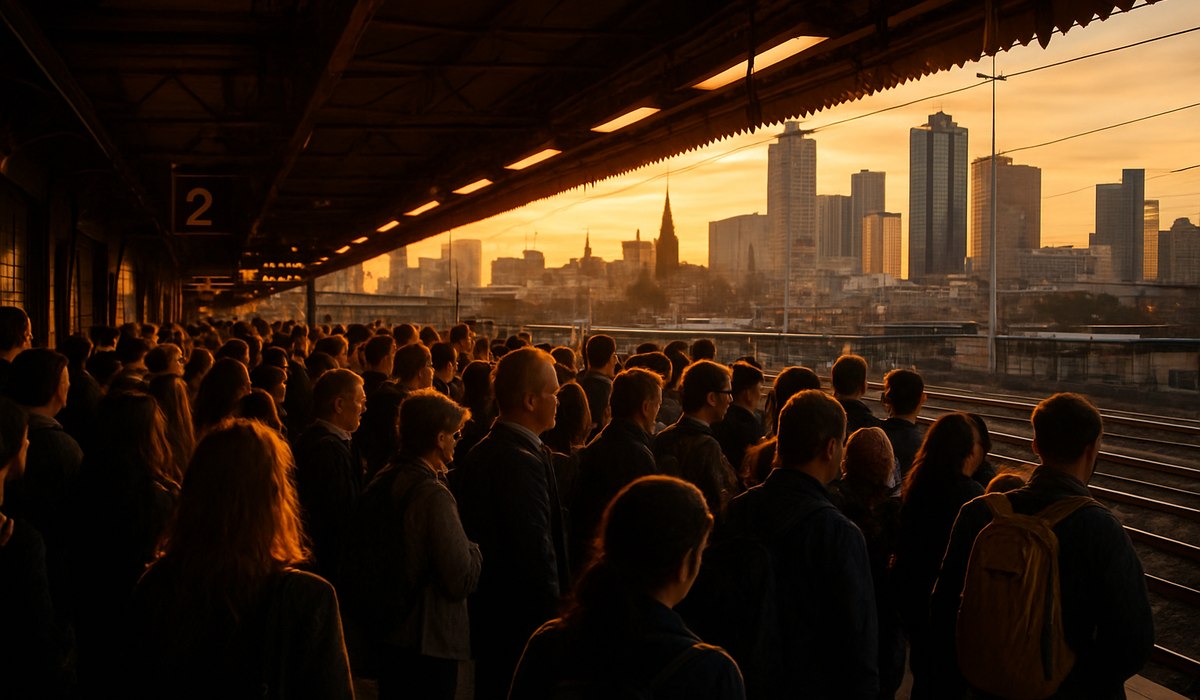
Image generated by AI
Melbourne Rush Hour Chaos: Equipment Failure Strands Commuters on Geelong Corridor
Wednesday evening peak-hour travel on Melbourne's Geelong rail line descended into chaos when a critical equipment fault triggered widespread service cancellations and left hundreds of V/Line passengers stranded across the network. The incident, which unfolded during the height of the evening commute, highlighted serious vulnerabilities in Victoria's regional transport resilience and sparked renewed calls for infrastructure investment. Cascading delays spread across multiple stations as controllers struggled to manage the growing backlog, leaving frustrated commuters facing journey times stretched well beyond normal conditions.
Fault on Geelong Corridor Triggers Cascading Delays Across Victoria's Network
The disruption began Wednesday evening when a major rail equipment fault was detected on the Geelong line between Melbourne and regional centres to the southwest. Services operated by V/Line were immediately cancelled or heavily delayed, with many trains forced to terminate short of their designated destinations. Controllers attempted emergency management protocols, but the cascading effect proved difficult to contain across the busy regional corridor.
Hundreds of commuters found themselves stranded on overcrowded platforms at Melbourne's Southern Cross station and suburban stops. Those already onboard experienced extended holds outside key stations and significantly reduced speeds. Passenger accounts describe journey times extending far beyond typical peak-hour conditions, with some travellers reporting uncertainty about when regular services would resume. The melbourne rush hour typically sees significant demand, but this equipment failure created unprecedented chaos that quickly overwhelmed standard contingency procedures.
Real-time updates from commuters indicated growing frustration as the evening progressed without clear restoration timelines. Many passengers abandoned their original rail plans entirely, pivoting instead to tram, bus, or private vehicle alternatives. The incident demonstrated how a single technical failure can rapidly cascade into network-wide disruption when it occurs during peak demand periods.
Overcrowded Platforms and Service Cancellations at Southern Cross
Southern Cross Station, Melbourne's primary regional rail hub, became a focal point of chaos as hundreds of stranded commuters converged seeking information and alternative transportation. Platform congestion reached critical levels, with tightly packed crowds attempting to board the limited services still operating. Staff struggled to manage passenger flow while simultaneously handling inquiries about service status and next available departures.
The station's announcement systems were overwhelmed with information updates, creating confusion about which routes remained operational and which faced extended delays. Passengers reported difficulty obtaining clear guidance on alternative service options or expected restoration times. The sheer volume of displaced commuters created a bottleneck at ticketing areas and information desks, further frustrating travellers desperate for solutions.
Passengers described distressing conditions on trains that were held at the platform or outside the station. Crowding intensified as services operated at reduced capacity, with some commuters unable to board due to space constraints. The combination of equipment failure, service cancellations, and overcrowded facilities created a perfect storm that exposed significant gaps in Victoria's capacity management during crisis situations. This Melbourne rush hour incident became a cautionary tale about network vulnerability during peak demand.
Replacement Buses Struggle to Keep Up with Demand and Network Constraints
V/Line's contingency response relied heavily on replacement bus services, but the rollout proved inadequate for the scale of displacement. Sourcing sufficient buses and drivers on short notice presented a significant operational challenge that authorities failed to overcome quickly. Road-based alternatives were themselves caught in Melbourne's already congested evening traffic patterns, compounding delays for affected passengers.
Commuters reported extended waiting periods at both inner-city locations and outer-suburban stops for rail-replacement buses. Services were frequently at or near capacity before arrival, leaving additional travellers stranded. Confusion over express versus local stopping patterns added another layer of frustration, as passengers struggled to identify which buses served their specific destinations.
Transport analysts note that this recurring weakness—the inability to rapidly deploy sufficient road capacity when rail services fail—represents a fundamental vulnerability in Victoria's regional network design. The Geelong corridor carries thousands of daily passengers, particularly during peak hours. When trains are removed from service simultaneously, replicating that capacity on congested urban and suburban roads becomes nearly impossible within the critical first hours of a disruption. This limitation directly impacts thousands of commuters and underscores the pressing need for infrastructure redundancy planning.
Calls for Improved Resilience on Regional Transport Network Following Equipment Failure
The Wednesday evening incident has reignited debate among transport advocates, infrastructure planners, and government stakeholders about Victoria's regional network resilience. Critics argue that the vulnerability exposed during this Melbourne rush hour chaos reflects insufficient investment in backup systems, redundant infrastructure, and contingency capacity. A single equipment fault should not disable an entire corridor serving hundreds of thousands of annual passengers.
Current demand on the Geelong line has surged dramatically due to free and heavily discounted fares introduced as part of Victoria's accessibility initiatives. Combined with regional population growth, ridership has increased substantially, yet infrastructure investment has not kept pace proportionally. Passengers now routinely experience standing-room-only conditions during peak periods, particularly on weekends and public holidays.
Transport commentators emphasize that demand-side measures such as fare reductions must be matched by substantial capacity increases. When rolling stock, track infrastructure, signalling systems, and staffing levels remain static while passenger numbers surge, any operational disruption rapidly becomes catastrophic. The Geelong corridor incident demonstrates this principle vividly: higher passenger volumes mean each cancelled train now affects significantly more people than in previous years. Advocates are calling for comprehensive infrastructure modernization, including signal system upgrades, additional rolling stock procurement, and improved communication protocols for crisis situations affecting thousands of commuters during Melbourne rush hour periods.
Key Service Disruption Data and Timeline
| Metric | Details |
|---|---|
| Route Affected | Melbourne to Geelong corridor (V/Line regional service) |
| Incident Time | Wednesday evening peak hours (approximately 5:00–8:00 PM) |
| Primary Cause | Equipment fault on rail corridor |
| Passengers Stranded | Hundreds across multiple trains and stations |
| Affected Stations | Southern Cross (Melbourne), suburban stops, regional destinations |
| Services Cancelled | Multiple V/Line trains; heavy delays on remaining services |
| Replacement Option | Rail-replacement buses; delayed and insufficient capacity |
| Journey Time Impact | Well beyond normal peak-hour conditions (exact duration unreported) |
| Staff Response | Controllers attempted emergency management; contingency protocols activated |
| Network Scope | Cascading delays across Victoria's regional network |
What This Means for Travelers Planning Melbourne Rush Hour Journeys
The Wednesday evening equipment failure carries important implications for anyone relying on regional rail during Melbourne's peak commute periods. Here are actionable steps to mitigate disruption risk:
-
Build Extra Travel Time into Peak-Hour Plans: Allow 15–20 minutes additional buffer when planning journeys on the Geelong corridor during 5:00–8:00 PM weekdays, as this incident demonstrates how quickly single failures can cascade into major delays.
-
Download V/Line Service Update Apps: Real-time notification systems provide faster information than station announcements during crises, helping you pivot to alternative routes quickly.
-
Identify Alternative Transportation Routes in Advance: Familiarize yourself with tram, bus, and ride-share options between key suburban stops and Melbourne's CBD, enabling rapid pivots if rail service fails.
-
Check Service Status Before Departing Home: Visit the official V/Line website or transport authority channels for service updates before commencing your journey, particularly during evening peak hours when disruptions have maximum impact.
-
Consider Off-Peak or Early-Morning Travel: If schedule flexibility exists, traveling before 5:00 PM or after 8:00 PM significantly reduces exposure to Melbourne rush hour chaos and associated disruption risks.
FAQ: Melbourne Rush Hour Rail Disruptions and Regional Service Reliability
What causes equipment faults on Melbourne's regional rail corridors?
Disclaimer
This article is for informational and educational purposes only. It does not constitute legal, financial, or professional advice. While we strive to provide accurate and up-to-date information, travel policies, regulations, and conditions change rapidly. Always verify information with official sources before making travel decisions. Nomad Lawyer makes no representations about the accuracy, reliability, completeness, or suitability of the information provided. Readers should consult qualified professionals for advice specific to their circumstances. The views expressed in this article are those of the author and do not necessarily reflect the views of Nomad Lawyer.
Kunal K Choudhary
Co-Founder & Contributor
A passionate traveller and tech enthusiast. Kunal contributes to the vision and growth of Nomad Lawyer, bringing fresh perspectives and driving the community forward.
Learn more about our team →