
Stranded Hantavirus Cruise Faces Lengthy Offshore Quarantine in 2026
The MV Hondius remains under offshore quarantine as a rare Andes hantavirus outbreak kills three passengers and infects at least five others in May 2026, complicating global contact tracing efforts.

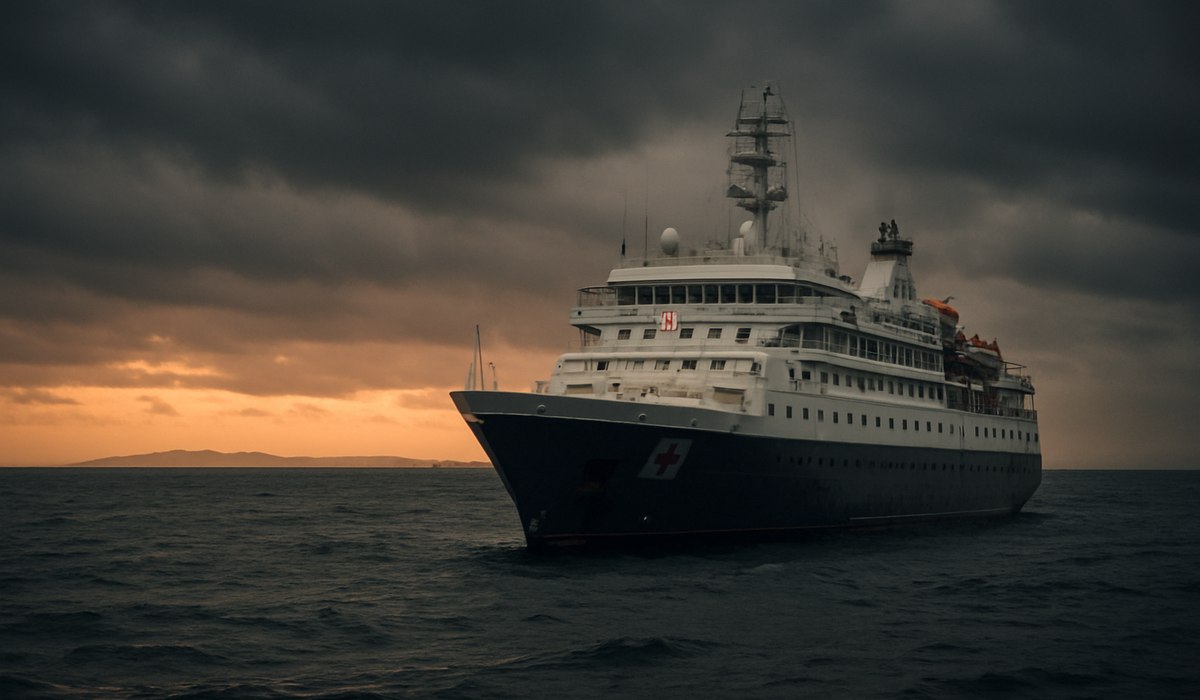
Image generated by AI
Expedition Cruise Becomes Public Health Emergency
The MV Hondius, a Dutch-flagged expedition vessel, remains under extended offshore quarantine as health agencies worldwide investigate a rare Andes hantavirus outbreak that has claimed three lives and infected at least five others. What began in April 2026 as a bucket-list Antarctic and South American expedition transformed into a maritime public health crisis by early May. The 150-passenger-and-crew vessel departed Argentina bound for remote Atlantic and African destinations when illness clusters emerged during late April sailings. Initial respiratory pathogen screening returned negative results, triggering specialized laboratory testing that eventually identified the culprit: the Andes virus, a rodent-borne hantavirus with documented human-to-human transmission capabilities.
The stranded hantavirus cruise situation highlights how modern expedition tourism intersects with emerging infectious disease risks. Passengers took land excursions in rodent-inhabited environments across South Atlantic islands before symptoms surfaced aboard ship. Shared interior spaces amplified potential exposure during extended sea days. By May 2, the World Health Organization received formal notification of the cluster, initiating a coordinated international response that continues to unfold offshore.
Tracing the Outbreak: From Land Excursions to Shared Spaces
The exposure timeline proves critical to understanding how the stranded hantavirus cruise became a contact-tracing nightmare. Passengers participated in guided land excursions to remote islands where rodent populations thrive—classic environments for Andes virus transmission. Most hantavirus infections typically occur when individuals inhale aerosolized particles from rodent urine, droppings, or saliva. However, the Andes strain is unusual among hantaviruses due to documented human-to-human transmission in close-contact scenarios.
Once passengers returned to the vessel, they spent extended periods in confined shared spaces: dining halls, lounges, corridors, and entertainment venues. These conditions created ideal transmission pathways for a pathogen capable of spreading between people during prolonged exposure. Symptoms—including flu-like illness that rapidly progresses to severe respiratory distress—appeared days after initial infection, consistent with hantavirus cardiopulmonary syndrome documented in scientific literature. The combination of a highly lethal pathogen with case fatality rates significantly higher than seasonal influenza, confined shipboard quarters, and international passenger movement created unprecedented containment challenges.
Expert analysis from infectious disease specialists emphasizes that while transmission appears to require close, prolonged contact, the maritime environment accelerated exposure risk. Air filtration systems aboard ships, ventilation patterns in crew quarters, and shared sanitation facilities all contributed to outbreak dynamics. For detailed information on hantavirus transmission mechanisms and expedition cruise safety protocols, consult resources from Live Science and the World Health Organization.
Contact Tracing Complications as Passengers Disembark Across Continents
The stranded hantavirus cruise outbreak's most troubling aspect involves passengers who disembarked at African and European ports before the outbreak was identified. Contact tracing teams now face the monumental task of locating and monitoring individuals scattered across multiple continents. Some passengers traveled onward to additional destinations, creating secondary exposure chains that epidemiologists struggle to track comprehensively.
Health authorities coordinated with national governments to establish passenger registries and conduct interviews about post-cruise activities and symptoms. However, the delays inherent in international communication, varying health system capacities, and passenger privacy considerations complicated systematic contact tracing. Individuals who flew home to North America, Europe, Asia, and Oceania potentially carried exposure risk into local communities, though sustained human-to-human transmission of Andes virus remains rare outside close-contact scenarios.
Port authorities across West Africa and the Atlantic islands initially refused general disembarkation, citing concerns about introducing a high-fatality pathogen into under-resourced health systems. The MV Hondius effectively became a floating quarantine facility, with remaining passengers confined to cabins or designated areas while medical teams monitored for fever, respiratory symptoms, and infection progression. Seriously ill passengers were transferred to onshore intensive care units when capacity and diplomatic arrangements permitted, creating a fluid and unprecedented coordination challenge among maritime authorities, national health ministries, and international organizations.
Current Status and Health Agency Response
As of early May 2026, negotiations over a safe harbor for the MV Hondius continue between ship operators, port authorities, and health agencies seeking locations with adequate critical-care capacity and specialized infection-control units. European and African media reports highlight concerns about introducing Andes virus into small island and developing-nation health systems with limited surgical and intensive care resources.
The World Health Organization maintains situational awareness through regular briefings characterizing the outbreak as a contained maritime cluster rather than the precursor to a widespread pandemic. Infectious disease experts note that Andes hantavirus does not spread as efficiently as influenza or SARS-CoV-2, and large-scale community outbreaks remain undocumented. Nevertheless, the stranded hantavirus cruise serves as a stark reminder of how expedition tourism, environmental exposure, and international travel convergence can expose modern travelers to historically localized pathogens.
Laboratory confirmation protocols, passenger symptom screening, crew health monitoring, and coordination among multiple national health agencies continue in real-time. For authoritative updates on the situation, monitor official statements from the World Health Organization and cruise industry safety advisories from Cruise Critic.
Cruise Itinerary at a Glance
| Cruise Detail | Information |
|---|---|
| Vessel | MV Hondius (Dutch-flagged expedition cruise) |
| Capacity | Approximately 150 passengers and crew |
| Departure Port | Argentina (April 2026) |
| Route | South American → South Atlantic Islands → African/European ports |
| Itinerary Type | Expedition cruise with land excursions |
| Status (May 2026) | Offshore quarantine, held pending safe harbor authorization |
| Operator | Lindblad Expeditions-National Geographic Alliance |
What This Means for Travelers
The stranded hantavirus cruise outbreak carries important implications for expedition tourism enthusiasts and cruise passengers globally:
-
Pre-cruise health screening: Verify that your cruise operator conducts comprehensive health questionnaires and temperature screening before embarkation. Ask about protocols for excluding symptomatic passengers.
-
Land excursion precautions: If booking expeditions to remote or wildlife-rich environments, research disease risks specific to destinations. Wear appropriate personal protective equipment during naturalist-led hikes and avoid direct contact with wildlife or rodent-inhabited areas.
-
Ventilation and sanitation: Request information about onboard air filtration systems, cabin ventilation standards, and sanitation protocols. Modern expedition vessels should meet or exceed industry standards for infectious disease prevention.
-
Travel insurance clarity: Ensure your policy covers epidemic-related quarantines, medical evacuation, and itinerary disruptions. Review exclusions carefully, as some policies explicitly deny coverage for known disease outbreaks.
-
Post-cruise symptom monitoring: After returning home from expedition cruises to South America or remote regions, monitor for respiratory symptoms for 2–3 weeks. Seek medical evaluation immediately if fever, shortness of breath, or severe fatigue develops, and inform your physician about recent cruise participation.
Frequently Asked Questions
Q: Can hantavirus spread between cruise ship passengers like COVID-19? A: Andes hantavirus transmission between people is possible but requires prolonged, close contact. It does not spread as readily as influenza or SARS-CoV-2. Cruise ships still present elevated transmission risk due to shared ventilation and confined spaces.
Q: What are early symptoms of Andes hantavirus infection? A: Initial symptoms resemble flu illness:
Kunal K Choudhary
Co-Founder & Contributor
A passionate traveller and tech enthusiast. Kunal contributes to the vision and growth of Nomad Lawyer, bringing fresh perspectives and driving the community forward.
Learn more about our team →