
Storms Batter Tunisia and Costa Smeralda Tourism Infrastructure in January 2026
Severe Mediterranean storms batter Tunisia and Costa Smeralda in January 2026, causing record rainfall, infrastructure damage, and cruise disruptions that threaten spring tourism bookings across the region.

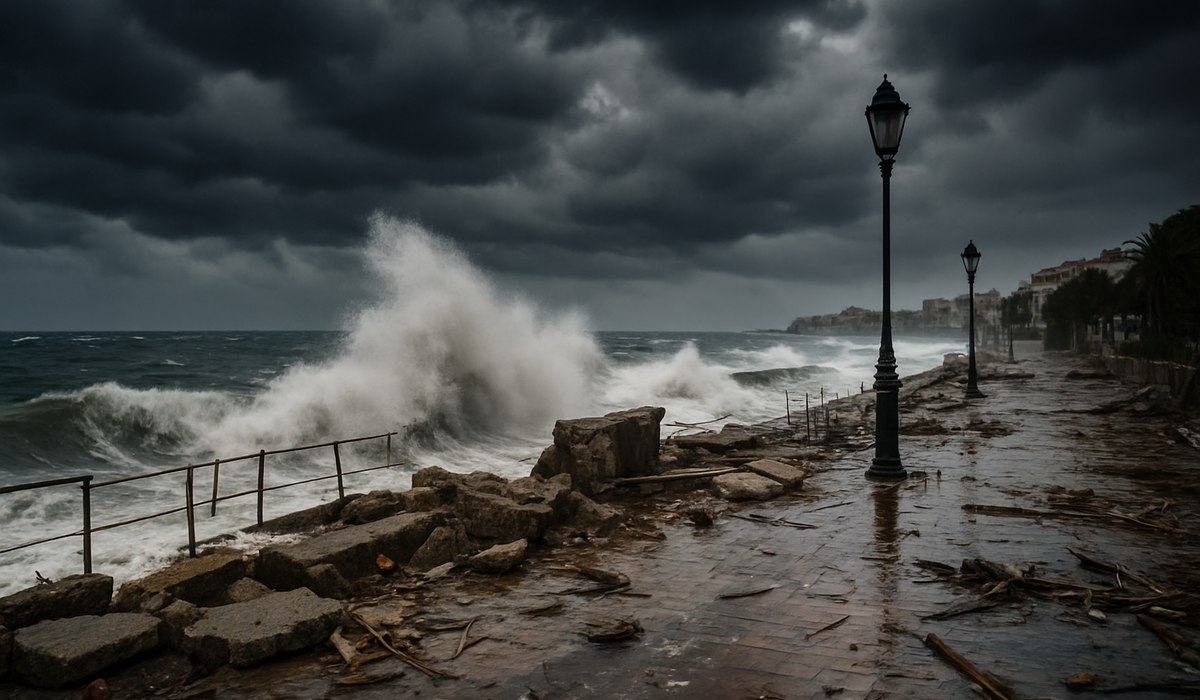
Image generated by AI
Unprecedented January Storms Leave Mediterranean Tourism Zones Reeling
Devastating Mediterranean storms battered Tunisia and Italy's prestigious Costa Smeralda region in January 2026, triggering record rainfall, widespread infrastructure damage, and unprecedented cruise port disruptions. The severe weather systems dumped over 200 millimetres of rain in just days—the heaviest precipitation Tunisia has experienced in more than 70 years—flooding coastal tourism hubs and forcing critical repairs before the spring travel season. Cruise itineraries were diverted, beach facilities shuttered, and tour operators scrambled to manage cancellations as the storms struck during peak booking periods for Mediterranean travel.
Record Rainfall Devastates Tunisian Coastal Tourism Economy
Tunisia's northern and eastern governorates bore the brunt of the catastrophic January deluge. The unprecedented rainfall inundated low-lying coastal districts, port neighborhoods, and beachfront access roads that serve as vital infrastructure for the country's cruise and tour bus operations. Popular resort destinations across the Gulf of Tunis and the island of Djerba faced severe damage to drainage systems, seawalls, and essential amenities that attract hundreds of thousands of European visitors annually.
Local tourism operators reported that beach facilities, secondary roads connecting resorts to town centers, and hospitality infrastructure remained partially closed or operating under temporary repairs well into March. This extended recovery window compressed the timeframe available for full restoration before anticipated summer arrivals from Europe. The damage arrived as Tunisia had been mounting a tourism recovery effort following several consecutive rebound seasons, making the timing particularly damaging to market confidence and international booking momentum during the critical spring sales period.
Infrastructure Damage and Cruise Disruptions Mount Across the Mediterranean
The cruise industry, which represents a cornerstone of both Tunisia's and Sardinia's seasonal revenue, experienced immediate operational chaos. In early March 2026, the mega-ship Costa Smeralda was forced to cancel its scheduled call at La Goulette—Tunisia's primary cruise port serving Tunis—when powerful winds made safe docking impossible. The vessel was rerouted to alternative ports while shore excursions underwent last-minute reconfiguration, inconveniencing thousands of passengers with modified itineraries.
Costa Smeralda's glamorous northern Sardinian coastline sustained equally severe battering from successive winter storm systems. January brought violent weather with torrential rain, extreme winds, and documented wave heights reaching 9-10 metres along exposed shoreline sections. Flooded waterfronts, damaged seaside roads, and precautionary school closures affected gateway municipalities like Olbia. Earlier in late 2025, another major storm system left parts of Sardinia "under water," creating compounding disruption across transport networks and resort access routes. Specialist cruise media reported multiple additional itinerary adjustments throughout March as forecasts continued showing persistent rain and stormy Mediterranean conditions affecting both regions.
Climate Risks Compound Long-Term Recovery Outlook
Recent Italian risk assessments indicate that landslides and flooding in Sardinia have increased sharply over recent years, with tens of thousands of residents now classified as living in flood-risk zones. Tourism stakeholders worry that repeated storm impacts during traditionally milder shoulder seasons are beginning to reshape traveler perceptions and insurance requirements for high-profile gatherings along the Costa Smeralda. While peak summer months continue delivering substantial visitor numbers, tour planners and event organizers are reconsidering booking windows and contingency protocols after witnessing submerged coastal roads and damaged promenades across social media.
Climate assessments had previously flagged Tunisia's coastal tourism hubs as highly vulnerable to flooding, coastal erosion, and marine submersion risks. The January 2026 storms dramatically validated these warnings, leaving municipal authorities and resort operators facing substantial repair bills for critical infrastructure that maintains visitor confidence and operational capacity.
Spring Season Bookings at Risk Amid Repairs
The timing of these storms created acute challenges for the Mediterranean travel industry. Damage to infrastructure coincided with peak booking windows for spring and summer travel, when international tour operators and individual travelers typically commit to Mediterranean itineraries. Partially closed beach facilities, temporarily repaired access roads, and operational uncertainty at major cruise ports created hesitation among booking agents assessing destination reliability and visitor experience quality.
Industry sources indicate that shoulder-season bookings—particularly April through early June—faced headwinds as potential visitors questioned whether major restoration would be completed. The cumulative effect of repeated disruptions across both destinations raised questions about resilience during increasingly volatile weather patterns, particularly for operators planning high-value gatherings or extended yacht charters that demand premium infrastructure and guaranteed access.
Mediterranean Storm Impact Summary Table
| Location | January 2026 Rainfall | Infrastructure Damage | Cruise Disruptions | Recovery Timeline |
|---|---|---|---|---|
| Tunisia (Gulf of Tunis) | 200+ mm in 48-72 hours | Seawalls, drainage, port facilities | La Goulette port closure, itinerary changes | Through March |
| Tunisia (Djerba) | Heaviest in 70+ years | Beach amenities, access roads | Multiple reroutes | Ongoing |
| Costa Smeralda (Sardinia) | 150+ mm + wave surge | Seaside roads, waterfronts | Ferry suspensions, ship diversions | Through February |
| Olbia Gateway | Storm surge + flooding | Transport routes, municipal services | Reduced port capacity | Partial through March |
| Regional Assessment | Anomalous Mediterranean patterns | Estimated €millions in repairs | 15+ itinerary adjustments reported | Q2 2026 target |
What This Means for Travelers
If you're planning Mediterranean travel to Tunisia or the Costa Smeralda region in spring 2026, consider these actionable precautions:
-
Verify Destination Status: Contact hotels and resort operators directly to confirm full operational capacity. Many facilities remain under temporary repairs or modified service levels, particularly beach clubs and water-based activities.
-
Review Travel Insurance: Standard policies may not cover weather-related disruptions. Ensure your coverage includes trip delays, itinerary changes, and cruise alterations related to Mediterranean storm activity.
-
Reconsider Timing: If flexibility exists, consider shifting travel plans to mid-June onward when summer stability typically arrives. Avoid April-May shoulder seasons when storm systems remain active.
-
Book Cruise Contingencies: Select cruise operators with transparent itinerary-change policies and clear rebooking procedures. Confirm that alternative port options exist if your preferred destination becomes inaccessible.
-
Monitor Port Authority Updates: Follow Tunisian and Italian port authority announcements regarding infrastructure restoration. La Goulette and Olbia ports have published repair timelines; verify before final cruise bookings.
-
Check Flight Connectivity: Regional airports may experience delays from residual weather systems. Build extra buffer time between arrival and scheduled activities.
Frequently Asked Questions About Mediterranean Travel Disruptions
When will Tunisia's cruise ports return to full operations? La Goulette port authorities target spring operational restoration, though some beach facility repairs are expected to extend into June 2026. Contact your cruise operator for specific port-call confirmations at least four weeks before departure.
Is the Costa Smeralda still safe for summer travel? Yes. Peak summer months (July-August) maintain historical weather stability. Spring travel (April-June) carries higher storm risk. Infrastructure repairs are advancing through April, with most roads and amenities functional by May 2026.
Will cruise prices increase due to the disruptions? Some operators may introduce fuel surcharges or premium pricing for routes adjusted to avoid disrupted ports. Early booking discounts may disappear. Monitor cruise operators' spring 2026 rate cards for comparisons.
Which Mediterranean destinations experienced the worst damage? Tunisia's coastal zones around Tunis and Djerba sustained the most severe impacts, with Sardinia's Olbia and Costa Smeralda regions following. Western Sicily and mainland Calab
Disclaimer
This article is for informational and educational purposes only. It does not constitute legal, financial, or professional advice. While we strive to provide accurate and up-to-date information, travel policies, regulations, and conditions change rapidly. Always verify information with official sources before making travel decisions. Nomad Lawyer makes no representations about the accuracy, reliability, completeness, or suitability of the information provided. Readers should consult qualified professionals for advice specific to their circumstances. The views expressed in this article are those of the author and do not necessarily reflect the views of Nomad Lawyer.
Kunal K Choudhary
Co-Founder & Contributor
A passionate traveller and tech enthusiast. Kunal contributes to the vision and growth of Nomad Lawyer, bringing fresh perspectives and driving the community forward.
Learn more about our team →