
Gulf flydubai cancellations snarl Bahrain departures in April 2026
Gulf Air and flydubai cancel nearly a dozen services at Bahrain International Airport in 2026, disrupting regional routes to Asia and the Gulf just weeks after the airport's reopening amid ongoing airspace instability.

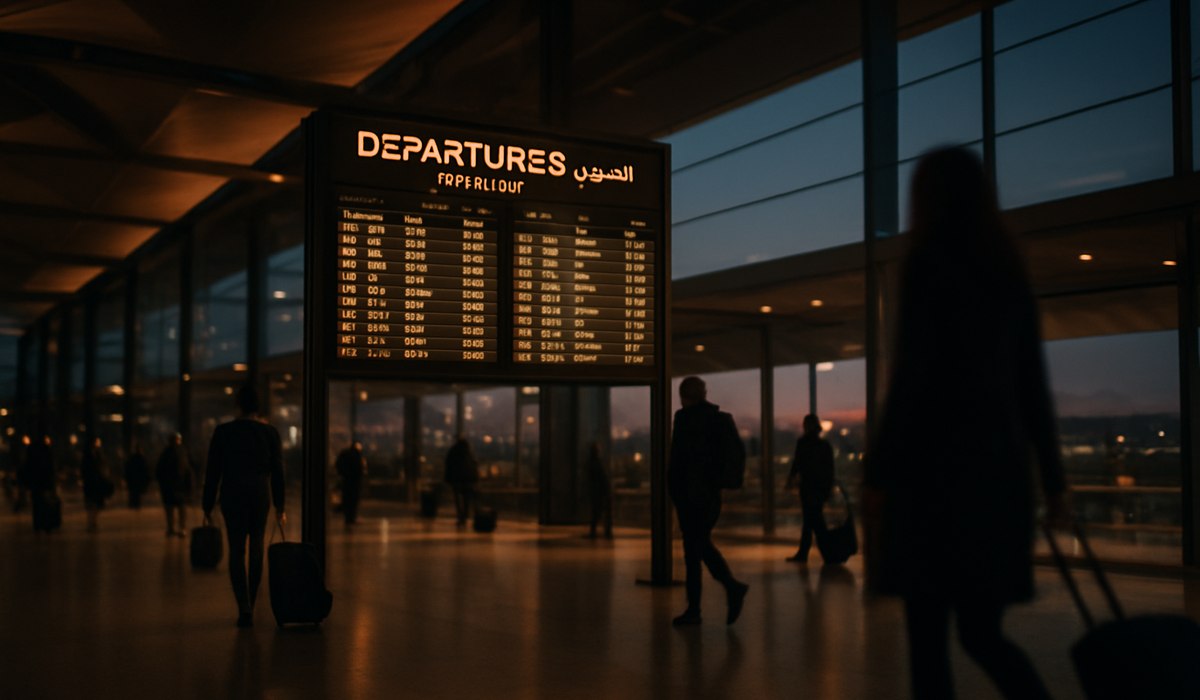
Image generated by AI
Breaking: Gulf Air and flydubai Suspend Services at Bahrain Airport
Gulf Air and flydubai have canceled approximately a dozen flights at Bahrain International Airport, undercutting the kingdom's recent reopening efforts and disrupting critical connections to Singapore, Dubai, Muscat, Jeddah, Islamabad, and Dhaka. The gulf flydubai cancellations reflect deepening challenges in Middle East airspace stability, forcing passengers into rebooking cycles and overnight delays. The disruptions emerge just weeks after Bahrain began cautiously restoring its flight network, signaling that regional security assessments remain volatile and unpredictable for Gulf carriers.
Fresh Cancellations Hit Bahrain's Reopening Effort
Bahrain International Airport faces renewed operational turbulence after initially reopening its airspace in early April 2026. Airlines had begun restoring slimmed-down schedules to key regional destinations, positioning the reopening as a turning point for Gulf connectivity. However, short-notice cancellations by Gulf Air and flydubai this week demonstrate how fragile recovery remains.
Publicly available flight tracking data shows that Gulf Air departures previously reinstated to cities including Dubai, Jeddah, Dhaka, and Islamabad have been withdrawn or marked as canceled. The airline's decision to maintain a patchwork network—operating some Bahrain rotations while temporarily routing others through Dammam in Saudi Arabia—reflects the day-by-day uncertainty affecting network planners. Industry observers report that passengers who had already rebooked onto early-April restored services now face a second round of itinerary changes and potential refunds, creating compounding travel disruption across South Asian and Gulf corridors.
Gulf Air Adjusts Network Via Dammam Hub
Gulf Air, Bahrain's national carrier, has been restructuring its operations in response to regional airspace restrictions. After an initial suspension of direct Bahrain flights, the airline built a temporary network routed through Dammam, allowing limited onward connectivity to Asia and the Gulf. April's cautious resumption of Bahrain operations suggested normalization, but the latest cancellations reveal an unstable equilibrium.
Current scheduling indicates that while some Bahrain departures continue operating, others face periodic short-notice cancellations depending on airspace assessments and passenger demand. Flights marketed to Dhaka, Lahore, and Islamabad have been rerouted or canceled unpredictably. Passengers targeting long-haul Asian destinations via Bahrain face particularly acute challenges, as the airport's role as a regional connector hub has diminished sharply. Gulf Air's official advisories urge passengers to verify flight status before traveling to the airport, yet the pattern of last-minute changes has made advance planning nearly impossible for those connecting from secondary cities.
flydubai Reduces Bahrain Frequencies Amid Regional Disruptions
flydubai, operating under broader Gulf airspace constraints since late February, has also cut several Bahrain rotations in recent days. The carrier's published operational updates emphasize a trimmed network, with select airports facing suspended or reduced service while others receive limited daily flights subject to change without advance notice.
Regional aviation data shows flydubai continues a constrained schedule between Dubai and key Gulf nodes, deploying regular aircraft and specially arranged services to maintain core corridors. However, Dubai's own capacity challenges have made secondary routes—including short-haul links to Bahrain—prime candidates for cancellation. When aircraft and crew are reassigned to higher-demand connections or repatriation-style services, marginal routes absorb the operational cuts first. The cumulative effect reduces passenger choice and extends connection times across the Middle East region.
Routes Most Affected by Current Disruptions
The gulf flydubai cancellations disproportionately impact passengers traveling through Bahrain to Asia, the Indian subcontinent, and the wider Gulf. Departure flows to Singapore face particularly acute constraints, as Bahrain's traditional role as a connective waypoint has been substantially reduced. High-demand routes serving Islamabad, Dhaka, and Lahore experience periodic cancellations or forced rerouting through Dammam.
Travelers bound for Muscat and Jeddah encounter variable availability, with some Gulf Air and flydubai services operating on selected days while remaining suspended on others. The unpredictability forces passengers to monitor airline websites and booking portals continuously, adding stress to itinerary planning. Families and business travelers relying on fixed departure dates report increased likelihood of missing original flights or accepting lengthy delays through unplanned intermediate hubs.
Affected Routes and Current Status
| Route | Airline | Current Status | Typical Frequency | Passenger Impact |
|---|---|---|---|---|
| Bahrain–Dubai | Gulf Air, flydubai | Selective cancellations | Daily (reduced) | High rebooking volume |
| Bahrain–Islamabad | Gulf Air | Periodic suspension | 3–4× weekly | Rerouting via Dammam |
| Bahrain–Dhaka | Gulf Air | Variable operation | 2–3× weekly | Itinerary changes |
| Bahrain–Jeddah | Gulf Air | Intermittent service | Daily | Delayed departures |
| Bahrain–Singapore | Gulf Air | Severely constrained | 2–3× weekly | Extended layovers |
| Bahrain–Muscat | flydubai | Reduced frequencies | 3–4× daily | Passenger overflow |
Passenger Impact and Rebooking Challenges
Travelers caught in the gulf flydubai cancellations face mounting frustration as airlines implement short-notice changes without transparent communication. Passengers who booked directly with Gulf Air or flydubai report difficulty reaching customer service lines, while those purchasing through online travel agencies encounter conflicting information about rebooking options and refund eligibility.
Airlines are offering passengers rerouting through alternative Gulf hubs including Muscat and Dubai, though these alternatives frequently extend journey times by 4–8 hours and add overnight layover costs. Some travelers are being advised to accept compensation vouchers valid only for future travel—a constraint that limits flexibility for business and emergency travelers. Consumer forums highlight cases where passengers with connecting flights have been stranded when first-leg cancellations were communicated less than 24 hours before scheduled departures. The pattern underscores how regional airspace disruptions cascade through South Asian routing networks that historically depended on Bahrain's role as a low-cost connection point.
Regional Airspace Instability Outlook
Airspace restrictions affecting bahrain departures and wider Gulf operations reflect evolving security assessments that remain fluid and difficult to predict. Industry risk consultants attribute the instability to ongoing regional tensions and the persistent need for aviation authorities to revise flight corridors and altitude restrictions at short notice.
Bahrain's Civil Aviation Affairs directorate has not publicly confirmed duration estimates for current constraints, leaving airlines unable to establish reliable scheduling parameters. Gulf Air and flydubai are consequently operating under contingency protocols, maintaining flexible crew assignments and aircraft routing to pivot quickly when airspace becomes available or restrictions tighten further. Recovery timelines remain uncertain, with some aviation analysts projecting that full restoration of pre-disruption frequencies may extend into May or June 2026. Until regional stability improves, passengers should expect continued volatility on gulf flydubai cancellations and longer alternative routing options.
Live Flight Tracking and Status Updates
Passengers should monitor real-time flight status using FlightAware, which aggregates airport and airline data for Bahrain International Airport and tracks cancellations, delays, and rerouting. The platform provides push notifications for flight changes, allowing travelers to respond quickly to cancellation announcements. Airline apps for Gulf Air and flydubai also display current status, though updates
Disclaimer
This article is for informational and educational purposes only. It does not constitute legal, financial, or professional advice. While we strive to provide accurate and up-to-date information, travel policies, regulations, and conditions change rapidly. Always verify information with official sources before making travel decisions. Nomad Lawyer makes no representations about the accuracy, reliability, completeness, or suitability of the information provided. Readers should consult qualified professionals for advice specific to their circumstances. The views expressed in this article are those of the author and do not necessarily reflect the views of Nomad Lawyer.
Preeti Gunjan
Contributor & Community Manager
A passionate traveller and community builder. Preeti helps grow the Nomad Lawyer community, fostering engagement and bringing the reader experience to life.
Learn more about our team →