
Stansted Delay Leaves Passenger £357 Out-of-Pocket as Rights Confusion Deepens
A UK traveller stranded overnight at Stansted paid £357 for alternative transport, exposing widespread confusion over passenger compensation rights in 2026. Many flyers misunderstand UK Regulation 261 entitlements.

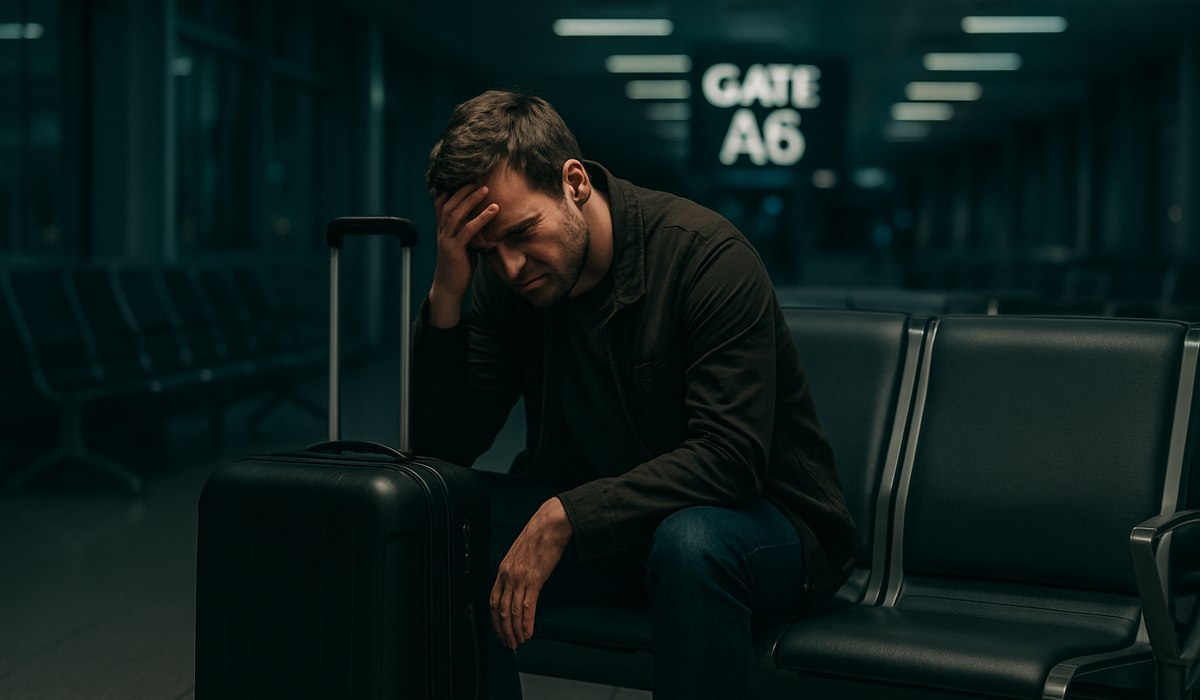
Image generated by AI
Stansted Overnight Disruption Forces Passenger to Fund Own Return Home
A UK traveller stranded overnight after serious disruptions at London Stansted Airport was forced to spend £357 from personal funds to arrange alternative transport and accommodation. The incident, which occurred in mid-April 2026, has reignited debate about passenger awareness of compensation rights under UK aviation law. The passenger's situation reveals how many flyers remain confused about what airlines must legally cover when major delays occur and what costs they may need to absorb independently. This case underscores a critical gap between regulatory entitlements and real-world passenger understanding at one of Britain's largest budget-focused hubs.
The £357 Cost of Stansted Disruption: What Really Happened
A combination of cascading delays and overnight schedule changes at Stansted delay leaves hundreds of passengers without viable onward connections on the night in question. The affected traveller faced missed connections and cancelled rebooked flights, leaving him unable to complete his journey using airline-provided solutions. Rather than wait in the terminal until the following day, he chose to independently arrange a hotel room, taxi service, and alternative transport home. This decision cost him £357—money that he initially expected the airline might reimburse under UK compensation rules.
The incident highlights how quickly secondary costs accumulate when disruption spirals beyond airline control. Budget fares, which typically drew this passenger to Stansted in the first place, offer minimal financial cushion when contingency expenses arise. Late-night schedules at the airport compound the problem: public transport options shrink dramatically after midnight, forcing stranded passengers toward expensive taxis or ride-hailing services as their only practical option home.
What UK Regulation 261 Actually Requires Airlines to Cover
Under post-Brexit UK aviation law, carriers operating from British airports must provide essential care during significant delays or cancellations. Airlines must furnish meals, refreshments, and hotel accommodation (where necessary) along with transport between the airport and lodging. Fixed cash compensation—ranging from £220 to £520 depending on flight distance—applies to delays exceeding three hours, provided the disruption falls within the airline's control.
However, regulation does not automatically reimburse every expense a passenger incurs. If a traveller abandons their booked flight, rebooks independently, or selects a different carrier without airline authorization, they assume financial responsibility for those arrangements. The critical distinction often hinges on whether the passenger accepted the airline's duty-of-care offer or proactively pursued alternatives. In the Stansted case, the passenger's decision to self-arrange created ambiguity about whether the airline remained liable. Many passengers never discover that pursuing a claim requires meticulous documentation, legal knowledge, and weeks of correspondence—barriers that discourage recovery attempts for moderate sums like £357.
For detailed guidance, consult the UK Civil Aviation Authority's compensation framework or review official aviation consumer protection resources.
Why Passengers Remain Unaware of Their Rights
Consumer advocacy groups and travel law specialists identify several reasons why passenger awareness of regulation 261 remains persistently low. Budget airline tickets rarely include printed rights information, and online booking confirmations often bury legal details beneath promotional content. Most passengers never read terms and conditions carefully enough to absorb compensation clauses. Airlines, while technically meeting disclosure obligations, have little incentive to aggressively publicize passenger entitlements that reduce corporate revenue.
Educational gaps widen further at the moment of disruption, when stressed passengers make rapid decisions without time for research. Airport staff may lack training to clearly explain compensation pathways, or may frame airline-offered solutions as the only option available. Non-native English speakers, elderly travellers, and those unfamiliar with UK law face even steeper obstacles to understanding their position. Social media provides peer anecdotes but often spreads misinformation alongside accurate guidance. The Stansted disruption case gained traction online precisely because it illustrated this knowledge vacuum: a passenger with legitimate grounds for recovery never pursued them because he did not realize recovery was possible.
How to Claim Compensation for Flight Disruption
Securing refunds or compensation requires systematic documentation and persistence. Immediately collect boarding passes, receipts for all out-of-pocket expenses, boarding confirmation emails, and photographs of delay notifications displayed at the airport. Contact your airline within 14 days of the flight, submitting a written claim that identifies the flight, booking reference, delay duration, and itemized expenses incurred.
Most airlines acknowledge claims within 6–8 weeks but may dispute liability. If the airline refuses or ignores your submission, escalate to the Civil Aviation Authority or use alternative dispute resolution services. Specialized claim management companies can handle the process for a fee (typically 25–30% of recovered sums). For the Stansted passenger, documented proof that airline duty-of-care was inadequate would have strengthened a claim considerably. Maintaining clear records transforms a £357 loss from an absorbed cost into a recoverable amount.
Traveler Action Checklist
- Photograph all delay notification boards and your boarding pass immediately when disruption occurs.
- Request written confirmation from airline staff describing the cause of delay and extent of disruption.
- Collect all receipts for meals, accommodation, transport, and alternative travel arranged during the disruption.
- Obtain contact details of airline customer service representatives you speak with, including names and reference numbers.
- Take screenshots of airline communications, rebooking options offered, and any duty-of-care provisions mentioned.
- Submit a formal claim in writing (email or registered post) within 14 days, citing regulation 261 and attaching documentation.
- Monitor the claim status and escalate to the Civil Aviation Authority if no response arrives within 8 weeks.
- Gather witness statements from other affected passengers if the disruption was widespread, to strengthen your evidence.
- Keep copies of all correspondence and retain receipts for at least two years.
- Consider claiming via specialized aviation compensation platforms if airline denial occurs.
Key Data on Stansted Disruption and UK Passenger Rights
| Metric | Details |
|---|---|
| Passenger out-of-pocket cost | £357 (hotel, transport, alternative travel) |
| Maximum UK regulation 261 compensation | £520 (for flights over 1,500 km) |
| Typical claim resolution time | 6–12 weeks (airline response period) |
| Civil Aviation Authority escalation rate | ~40% of disputed claims escalated annually |
| Budget passenger awareness of rights | Estimated <25% understand regulation 261 fully |
| Stansted annual passenger volume | ~27 million (predominantly budget airline users) |
| Airline duty-of-care requirement trigger | Delays exceeding 3 hours (or cancellations) |
| Average cost of last-minute UK hotel | £80–150 per night near major airports |
What This Means for Travelers
The Stansted incident demonstrates that knowing your rights is essential to protecting your wallet. Budget airline passengers, already operating on tight financial margins, suffer disproportionately when disruption forces them into out-of-pocket expenses. Understanding UK regulation 261 takes minutes but could save hundreds of pounds. When facing significant delays, ask airport staff explicitly whether the airline will provide accommodation and meal vouchers. If you decline their offer to self-arrange transport or lodging, document that refusal in writing. Keep meticulous records from the moment disruption begins—photographs, timestamps, staff names, and all receipts. Within days of travel, submit a formal claim even if you believe recovery is unlikely. Many passengers abandon legitimate claims simply because the process seems burdensome; persistence often succeeds. Consider travel insurance with disruption coverage for future trips, as
Disclaimer
This article is for informational and educational purposes only. It does not constitute legal, financial, or professional advice. While we strive to provide accurate and up-to-date information, travel policies, regulations, and conditions change rapidly. Always verify information with official sources before making travel decisions. Nomad Lawyer makes no representations about the accuracy, reliability, completeness, or suitability of the information provided. Readers should consult qualified professionals for advice specific to their circumstances. The views expressed in this article are those of the author and do not necessarily reflect the views of Nomad Lawyer.
Raushan Kumar
Founder & Lead Developer
Full-stack developer with 11+ years of experience and a passionate traveller. Raushan built Nomad Lawyer from the ground up with a vision to create the best travel and law experience on the web.
Learn more about our team →