
Ryanair Morocco Flight Leaves 192 Passengers Stranded After French Airport Security Failure
A Ryanair Morocco flight departed Vatry Airport completely empty on April 14, 2026, after security staffing failures prevented 192 passengers from boarding. The incident raises critical questions about EU passenger protection standards and airport operations.

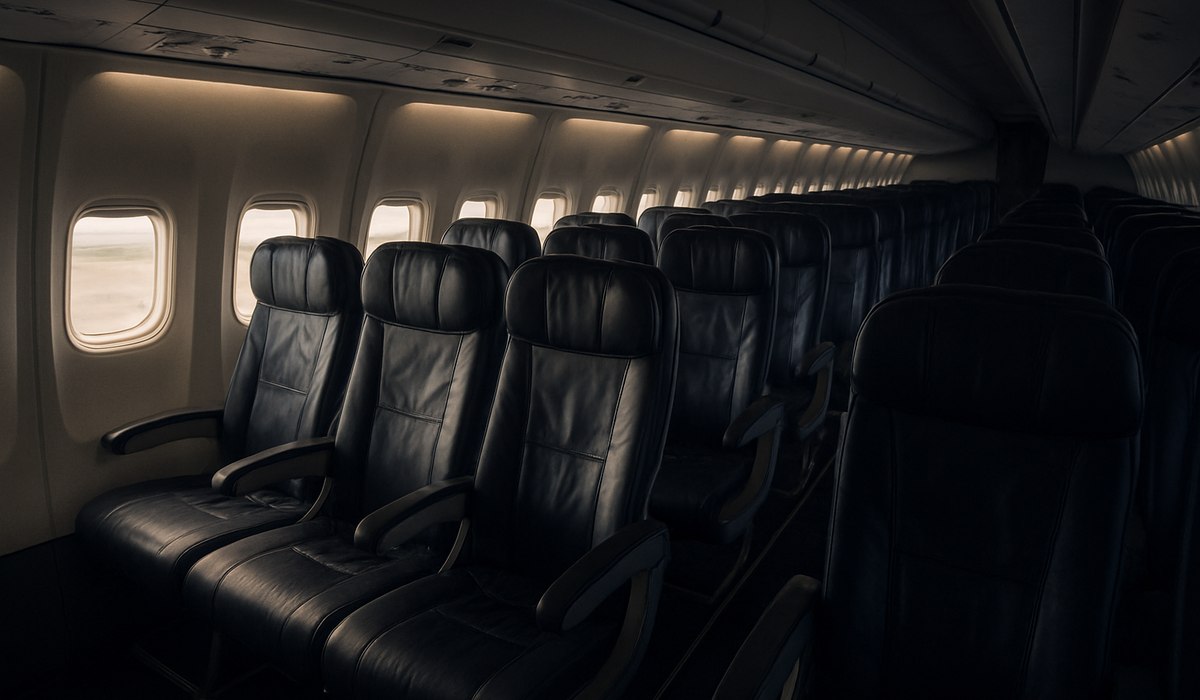
Image generated by AI
The Incident: How 192 Passengers Missed Their Ryanair Morocco Flight
A Ryanair Morocco flight departed Vatry Airport in northeastern France completely empty on April 14, 2026, when security staffing failures prevented 192 ticketed passengers from clearing mandatory screening. The aircraft left the runway with crew only, heading toward Marrakech on schedule while its intended passengers remained stranded in the airport terminal. This extraordinary operational failure has sparked debate about airport security protocols and European passenger protection standards across the continent.
The incident unfolded at Vatry Airport in the Marne department, a regional hub serving eastern France. Passengers had successfully completed check-in procedures and received their boarding documents. However, when travelers approached the security screening area—the mandatory gateway to the boarding gate—they discovered no staff present to conduct required safety checks. Airport management later confirmed that the security contractor's personnel had called in sick en masse, and replacement teams could not be mobilized quickly enough to process nearly 200 travelers before the scheduled departure slot closed.
How 192 Passengers Missed Their Flight to Marrakech
The cascade of failures began when the Ryanair Morocco flight's security screening window opened on April 14. Passengers expected to move through standard procedures: presenting identification, scanning baggage, and receiving clearance to proceed to the boarding gate. Instead, they encountered locked security lanes and absent staff members.
Ground handling representatives and airport officials struggled to find immediate solutions. Mobilizing additional security personnel required coordination across multiple contractors and regulatory bodies. As minutes ticked away and the departure time approached, the aircraft crew remained in position, awaiting passengers who would never arrive. The aircraft's runway slot—a valuable, time-limited authorization to depart—could not be delayed indefinitely without triggering cascade cancellations across the airport's schedule.
With no feasible way to process 192 passengers before departure, and facing potential regulatory penalties for missing their assigned slot, airport and airline officials made the unprecedented decision to allow the Ryanair Morocco flight to depart empty. Passengers learned of the departure only when information displays updated or ground announcements confirmed the aircraft had left the gate. Many travelers were left confused about who bore responsibility: the airport operator, the security contractor, or the airline itself.
What Caused the Security Screening Breakdown
The root cause was straightforward: mass absence of security personnel employed by a private contractor at Vatry Airport. This pattern reflects growing strain on airport security operations across Europe's regional hubs, where staffing constraints and subcontracted services create operational fragility.
When multiple security staff called in sick simultaneously, standard backup protocols proved insufficient. Recruiting and deploying replacement personnel through competing regional demands took hours—far longer than the window between check-in closure and scheduled departure. Vatry Airport, like many secondary European airports, operates on tight aircraft rotation schedules where delays cascade quickly.
The Ryanair Morocco flight service was fully prepared: crew briefed, aircraft fueled, flight plan filed, and runway slot confirmed. The breakdown occurred entirely in the ground-side security domain, an area outside the airline's direct control. This technical distinction would later become crucial in determining liability and passenger compensation eligibility.
Implications for EU Passenger Rights and Compensation
The incident has created a regulatory puzzle that tests the boundaries of European passenger protection law. Under EU Regulation 261/2004, travelers denied boarding or experiencing cancellations may receive compensation ranging from €250 to €600, depending on flight distance. Long delays over three hours also trigger compensation rights in most scenarios.
However, Ryanair has classified this service as an operated flight that departed and arrived on schedule. From the airline's perspective, the aircraft completed its duty as planned. The disruption occurred in airport operations—a domain typically viewed as "extraordinary circumstances" beyond carrier control. This classification could exempt the airline from compensation obligations under EU rules.
Passenger rights advocates argue this interpretation exploits a regulatory gap. If passengers are prevented from boarding through no fault of their own or the airline's, shouldn't they receive protection regardless of whether the aircraft ultimately departed? The distinction between "cancellation" and "operated flight with denied boarding" becomes critical. Courts and regulators will need to clarify whether the absence of physical access to the boarding gate disqualifies passengers from protection, or whether the denial of travel itself triggers compensation rights.
The incident also raises questions about airport operator accountability. While security screening is typically subcontracted, the airport maintains ultimate responsibility for ensuring that security services function reliably.
What Happens Next for Stranded Travelers
The 192 stranded passengers face a fragmented recovery process. Some have pursued refund requests through Ryanair's online channels. Others have booked replacement flights to Marrakech at their own expense while simultaneously filing compensation claims. A growing number have engaged passenger rights organizations or consumer law specialists.
Ryanair has indicated it will evaluate compensation requests on a case-by-case basis, focusing on the contractor's responsibility. The airline may argue that exceptional circumstances—specifically, a third party's staffing failure—exempted it from compensation obligations. Passengers counter that the airline should have either waited for security resolution or offered compensation given the foreseeable disruption.
The security contractor faces potential liability for failing to maintain adequate staffing levels. However, many passengers lack direct contractual relationships with the contractor, limiting their legal recourse options. Airport operator Vatry may also face scrutiny for insufficient contingency planning.
For travelers affected by the incident, documentation of all correspondence, costs incurred, and airline responses will be essential. The European Court of Justice may eventually review this case, potentially clarifying how passenger protection rules apply when security—rather than the airline or aircraft—causes denial of boarding.
Key Data Table: Ryanair Morocco Flight Incident Facts
| Metric | Detail |
|---|---|
| Airport | Vatry Airport, Marne Department, northeastern France |
| Airline | Ryanair |
| Route | Vatry to Marrakech, Morocco |
| Flight Distance | Approximately 1,100 kilometers (3.5-hour flight) |
| Passengers Affected | 192 ticketed travelers stranded |
| Date of Incident | April 14, 2026 |
| Departure Status | Aircraft departed on schedule with crew only |
| Root Cause | Security contractor staff mass absence (sick calls) |
| Boarding Gate Access | Passengers prevented from reaching gate due to lack of security screening staff |
| Potential Compensation Range | €250–€400 under EU 261/2004 (if applicable) |
| Regulatory Framework | EU Regulation 261/2004 on passenger rights |
| Ongoing Status | Claims and compensation disputes being processed |
What This Means for Travelers
If you're booking flights through European regional airports, this incident highlights operational vulnerabilities that can affect your travel plans:
-
Arrive Early and Monitor Security Lines: Airports experiencing staffing pressures sometimes experience sudden screening delays. If you notice unusual queues or reduced screening lanes 90 minutes before departure, alert staff immediately.
-
Document Everything: Keep copies of your boarding pass, check-in confirmation, and all correspondence with the airline. If you're denied boarding for any reason, photograph signage and note the exact time and reason provided.
-
Know Your EU Passenger Rights: Visit the official US DOT Air Consumer Protection page and research EU 261/2004 before travel. Understand that compensation eligibility depends on flight distance and delay duration.
-
Request Written Confirmation: If denied boarding, ask the airline for written confirmation of the reason. This documentation strengthens compensation claims.
-
Contact Regulatory Bodies: If an airline refuses compensation you believe you're entitled to, file complaints with your country's aviation authority or the EU's passenger rights enforcement agencies
Disclaimer
This article is for informational and educational purposes only. It does not constitute legal, financial, or professional advice. While we strive to provide accurate and up-to-date information, travel policies, regulations, and conditions change rapidly. Always verify information with official sources before making travel decisions. Nomad Lawyer makes no representations about the accuracy, reliability, completeness, or suitability of the information provided. Readers should consult qualified professionals for advice specific to their circumstances. The views expressed in this article are those of the author and do not necessarily reflect the views of Nomad Lawyer.
Raushan Kumar
Founder & Lead Developer
Full-stack developer with 11+ years of experience and a passionate traveller. Raushan built Nomad Lawyer from the ground up with a vision to create the best travel and law experience on the web.
Learn more about our team →