
Lufthansa Boeing 787 Nose Gear Collapses at Frankfurt, Injuring Ground Staff Before Los Angeles Departure
Breaking airline news and aviation industry updates for 2026.

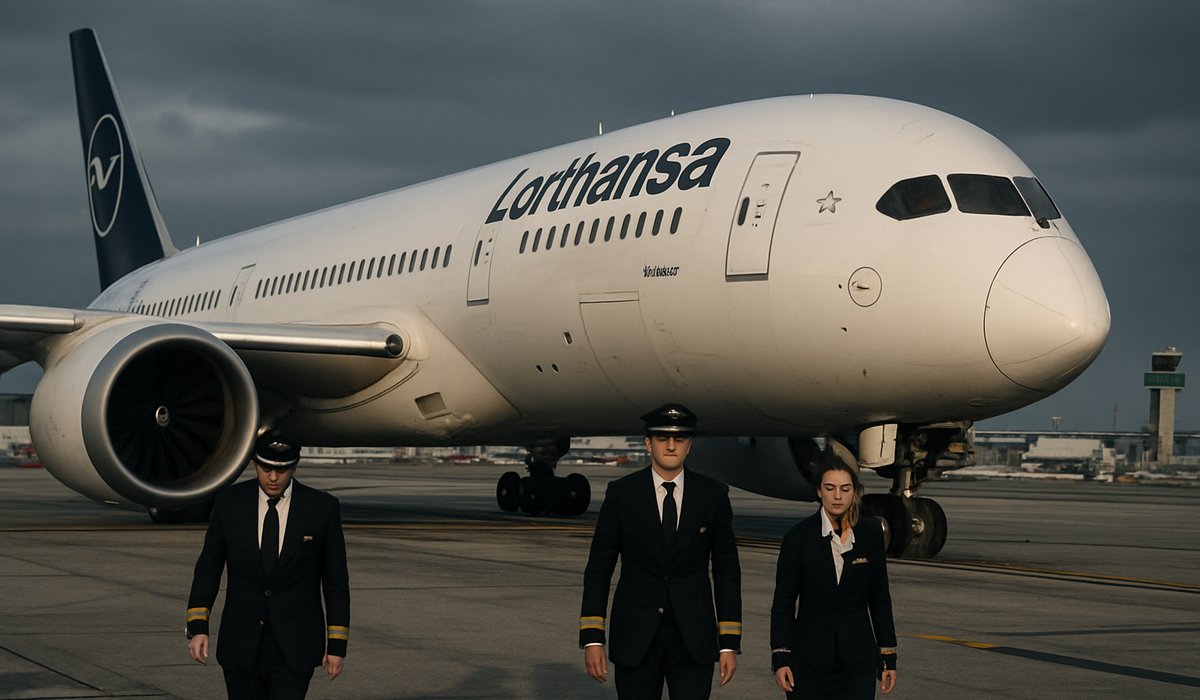
Image generated by AI
Lufthansa Boeing 787 Nose Gear Collapses at Frankfurt, Injuring Ground Staff Before Los Angeles Departure
A critical aircraft failure halts transatlantic operations and raises fresh safety concerns for Boeing's widebody fleet
Structural Failure Forces Flight Cancellation
A Lufthansa Boeing 787-9 Dreamliner experienced a catastrophic nose gear collapse on June 4th at Frankfurt Airport, forcing the cancellation of a scheduled transatlantic flight to Los Angeles and injuring multiple ground personnel in the process. The incident occurred during pre-flight preparations, marking another significant operational disruption for the German flag carrier and intensifying scrutiny on the Boeing 787's maintenance and structural integrity.
The aircraft, which was preparing for departure on the long-haul service, suddenly experienced the landing gear failure while stationary at the terminal. The unexpected collapse caused considerable chaos on the tarmac and resulted in injuries to ground staff responding to the emergency. Frankfurt Airport operations were temporarily impacted as recovery crews secured the aircraft and assessed the extent of damage.
Growing Concerns Over Boeing 787 Reliability
The nose gear collapse represents another high-profile mechanical failure affecting Boeing's wide-body fleet at a time when the manufacturer faces intensifying pressure over aircraft quality and safety protocols. The 787 Dreamliner, which entered service in 2011, has experienced intermittent structural and mechanical issues that have periodically grounded individual units for inspection and repair.
For Lufthansa, the incident compounds operational challenges already facing Europe's largest airline. The Frankfurt-based carrier has been navigating rising jet fuel costs, inflationary pressure on maintenance expenditures, and increased airline baggage fees to offset operational expenses. The unexpected aircraft downtime forces additional costs and passenger rebooking logistics.
Operational and Financial Implications
The incident underscores the financial vulnerability of major carriers managing aging or problem-prone aircraft within their fleets. Beyond immediate repair expenses, Lufthansa must absorb lost revenue from the cancelled Los Angeles flight and potential compensation obligations to affected passengers under European aviation regulations.
Ground staff injuries add another layer of concern, potentially triggering workplace safety investigations and raising questions about emergency response protocols at Frankfurt's sprawling terminal infrastructure.
Boeing has not yet issued a formal statement regarding the specific cause of the nose gear failure. Lufthansa's maintenance division is expected to conduct a comprehensive technical investigation to determine whether the collapse resulted from design defects, maintenance oversights, or material fatigue.
Industry Watchlist
The incident joins a growing list of mechanical and structural challenges affecting major aircraft operators globally, contributing to industry conversations about preventative maintenance standards, manufacturer accountability, and long-term fleet reliability across the aviation sector.
FAQ: Boeing 787 Safety & Airline Operations
Q: How common are nose gear collapses on commercial aircraft? A: Nose gear failures are relatively rare in modern commercial aviation due to rigorous maintenance protocols, though they do occur periodically across various aircraft types and require immediate investigation.
Q: Will this incident affect Lufthansa's Boeing 787 fleet operations? A: Lufthansa will likely implement enhanced inspection protocols on its Dreamliner fleet pending investigation findings, potentially causing short-term scheduling disruptions.
Q: Are passengers entitled to compensation for cancelled flights due to mechanical failure? A: EU Regulation 261/2004 typically exempts airlines from passenger compensation for mechanical defects classified as "extraordinary circumstances," though reimbursement of ticket costs remains mandatory.
Q: What is Boeing's current safety record with the 787 Dreamliner? A: The 787 maintains an overall strong safety record despite intermittent structural and component issues that have triggered targeted inspections and design reviews.
Q: How do aircraft maintenance costs impact airline ticket pricing? A: Rising maintenance expenses, fuel surcharges, and baggage fees directly correlate with ticket pricing, particularly on long-haul routes where operational costs are highest.
Related Travel Guides
- Starlux Airlines Establishes Critical Taipei-Bali Gateway, Reshaping Southeast Asia's Aviation Landscape
- Delta Air Lines Relaunches Los Angeles to London Heathrow Nonstop Flights with Premium Airbus A350-1000 Mitigating Transatlantic Flight Cancellations, Airport Disruptions, and Passenger Travel Chaos: New Airline News and Aviation Updates
- Dublin Airport Travel Chaos: 207 Flights Delayed and Massive Cancellations Paralyze Ireland's Primary Aviation Hub Amidst ATC Shortages
Disclaimer
This article is for informational and educational purposes only. It does not constitute legal, financial, or professional advice. While we strive to provide accurate and up-to-date information, travel policies, regulations, and conditions change rapidly. Always verify information with official sources before making travel decisions. Nomad Lawyer makes no representations about the accuracy, reliability, completeness, or suitability of the information provided. Readers should consult qualified professionals for advice specific to their circumstances. The views expressed in this article are those of the author and do not necessarily reflect the views of Nomad Lawyer.
Preeti Gunjan
Contributor & Community Manager
A passionate traveller and community builder. Preeti helps grow the Nomad Lawyer community, fostering engagement and bringing the reader experience to life.
Learn more about our team →