
Sri Lanka's Mattala Airport Eyes Tourism Revival Following High-Level Aviation Talks With Oman

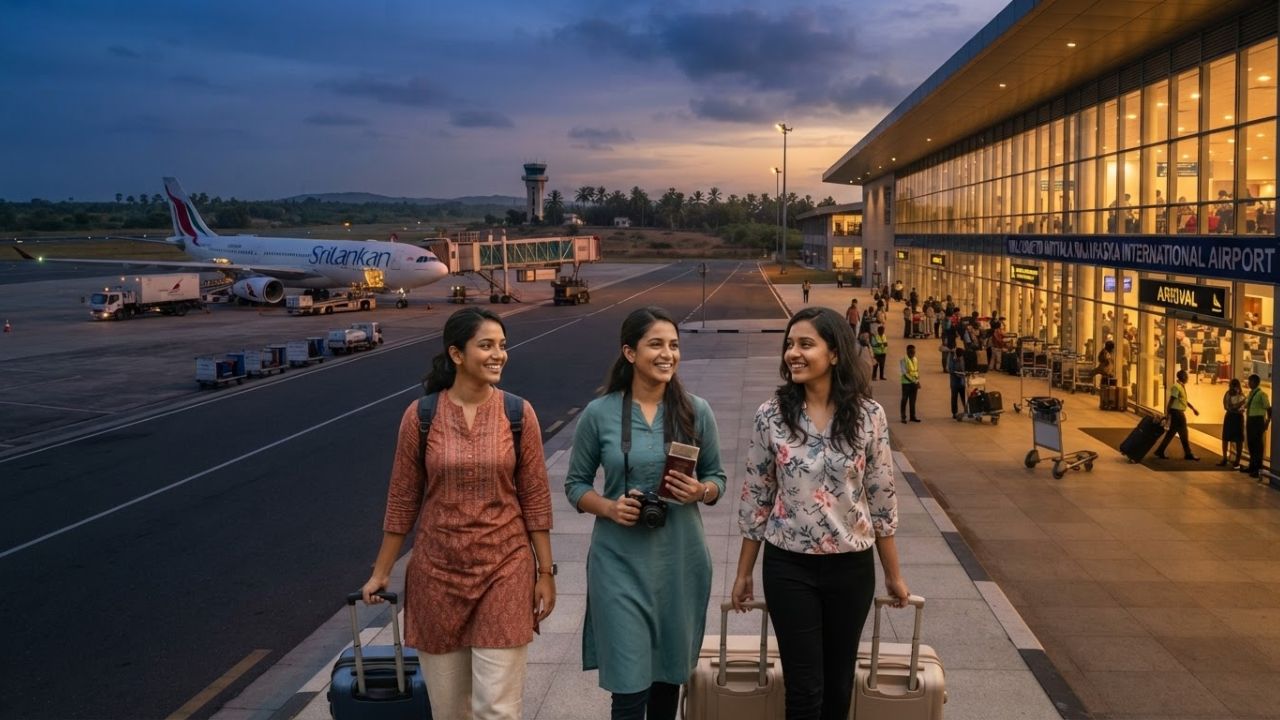
High-level bilateral aviation talks between Sri Lanka and Oman at the DGCA/61 conference in Kuala Lumpur have placed Mattala Rajapaksa International Airport back on the regional radar, exploring potential Gulf connections that could link international travelers directly to Yala’s wildlife and southern coastal circuits.
Long regarded as an ambitious aviation facility awaiting its full commercial potential, Mattala Rajapaksa International Airport (MRIA) in southern Sri Lanka's Hambantota District is re-entering strategic discussions. During bilateral meetings at the 61st Conference of Directors-General of Civil Aviation, Asia and Pacific Region (DGCA/61) in September 2026, aviation leadership from Sri Lanka and the President of Oman's Civil Aviation Authority assessed concrete steps to revitalize the gateway. The talks focused on restoring direct SriLankan Airlines links, exploring the potential return of Oman Air operations from Muscat, and evaluating increased frequencies for low-cost carrier SalamAir.
While civil aviation regulators emphasize that no new commercial scheduled flights have received final clearance, the renewed dialogue underscores Sri Lanka's intent to diversify international entry points away from congested Colombo and funnel visitors straight into the island's southern wilderness corridor.
The Local Trend Revealed: Unlocking the Southern Tourism Circuit
Currently, the vast majority of international visitors enter the country through Bandaranaike International Airport (CMB) near Colombo, requiring multi-hour road journeys or domestic air transfers to access southern eco-resorts. Activating Mattala as a secondary commercial gateway changes regional logistics by offering direct access to premier conservation and heritage sites:
- Yala National Park: Sri Lanka's flagship wildlife sanctuary, celebrated globally for harboring one of the world's highest densities of wild leopards (Panthera pardus kotiya).
- Bundala National Park: A globally recognized Ramsar wetland haven hosting thousands of migratory waterbirds and Greater Flamingos.
- Kataragama Sacred City: A revered multi-faith pilgrimage center attracting Buddhist, Hindu, and indigenous Vedda devotees.
- Southern Coastal Enclaves: Tangalle, Hambantota, and Mirissa, renowned for marine safaris and eco-boutique hideaways.
| Infrastructure & Strategic Metric | Official Specification & Operational Status |
|---|---|
| Facility Name | Mattala Rajapaksa International Airport (MRIA) |
| Location & Jurisdiction | Hambantota District, Southern Province, Sri Lanka |
| Operating Authority | Airport and Aviation Services (Sri Lanka) Limited (AASL) |
| Runway Specifications | 3,500 metres (ICAO Code F capable for wide-body airliners) |
| Target Airline Partners | SriLankan Airlines, Oman Air, SalamAir |
| National Tourism Context | Rebound to 2,053,465 international tourist arrivals in 2024 |
| Primary Regional Assets | Yala, Bundala, Lunugamvehera, and Indian Ocean coastal resorts |
Bridging the Gulf Cooperation Council (GCC) Market
Oman and the wider Gulf region represent high-value tourism markets for Sri Lanka. Travelers originating in Muscat, Dubai, and Doha frequently seek temperate nature getaways, family-oriented safari packages, and secluded coastal hospitality. Direct connectivity to Mattala would eliminate the five-to-six-hour transit across the island from Colombo, allowing long-haul travelers to step from wide-body aircraft straight into southern national reserves.
Environmental Stewardship and Wildlife Corridor Protection
Integrating international aviation with southern Sri Lanka's sensitive ecology demands balanced conservation strategies:
- Elephant Movement Corridors: Mattala is situated within traditional Asian elephant migratory routes linking Yala, Bundala, and Lunugamvehera national parks. The Department of Wildlife Conservation (DWC) and AASL maintain strict perimeter electric fencing and continuous monitoring to prevent human-wildlife encounters.
- Low-Impact Safari Regulation: Direct flight arrivals will require upgraded safari carrying-capacity limits inside Yala Block 1. Conservation groups are advocating for electric safari jeeps and mandatory driver codes of conduct to reduce track erosion and prevent animal disturbance.
- Decentralizing Tourism Revenue: Channeling visitor spending through Hambantota supports southern communities directly, empowering local guides, organic farmers, and coastal boat operators who traditionally receive smaller shares of Colombo-centric tour revenues.
Local Insider Tips for Southern Sri Lanka Travelers
Safari Windows and Crowd Avoidance
- Off-Peak Safari Windows: Plan wildlife excursions between May and June, or early October. During these shoulder months, animal sightings remain high around waterholes, while jeep congestion inside Yala Block 1 drops significantly compared to the peak holiday rush in December–January and August.
- Alternative Game Drives: Rather than queuing at Yala’s main Palatupana gate, book morning game drives into Yala Block 5 or Lunugamvehera National Park, where tranquil forest tracks offer exceptional elephant herds and sloth bear sightings without safari vehicle convoys.
Cultural Etiquettes and Temple Protocols
- Visiting Kataragama: When entering the sacred shrines of Kataragama, dress in plain white or conservative attire covering shoulders and knees. Remove leather belts and footwear before crossing the Menik Ganga into temple grounds.
- Expressway Wildlife Protocols: When driving along the Southern Expressway or the Mattala link road, observe strict 70 km/h speed limits in posted wildlife zones, where wild elephants occasionally venture near access corridors at dusk.
Local Culinary Specialties
- Hambantota Buffalo Curd: Stop at roadside pottery stands along the Hambantota-Tissamaharama highway to sample fresh, thick buffalo curd (Miri curd) served inside clay pots and topped with golden kithul palm treacle.
- Southern Fish Ambul Thiyal: Order authentic sour fish curry (Ambul Thiyal), prepared with fresh skipjack tuna slow-simmered with dried goraka (brindleberry) and black pepper in traditional unglazed clay pots.
Under-the-Radar Excursions
- Kalametiya Bird Sanctuary: Located 40 minutes west of Hambantota, this quiet coastal lagoon offers guided wooden catamaran excursions through mangrove waterways teeming with kingfishers, herons, and purple swamphens.
- Ussangoda Red Cliffs: A dramatic geological plateau of red earth and iron-rich soil that drops abruptly into the crashing surf of the Indian Ocean, offering undisturbed ocean vistas at sunset.
Tourism Outlook: Transforming a Secondary Gateway into an Eco-Hub
The future viability of Mattala Rajapaksa International Airport hinges on commercial airline agreements and sustainable regional planning. While previous operational phases suffered from limited route networks, the momentum of post-pandemic recovery—surpassing 2,053,465 international visitors according to the Sri Lanka Tourism Development Authority (SLTDA)—creates unprecedented demand for distributed infrastructure.
If future negotiations between Sri Lankan authorities and Omani carriers yield scheduled or seasonal charter services, Mattala can finally realize its intended role: serving as an eco-tourism gateway that distributes prosperity across the southern coast while safeguarding Sri Lanka's natural treasures.
Related Travel Guides
Canada Tourism Surges as Global Visitors Shift Away From US Holidays
Top 10 Global Transit Destinations for October 2026: Autumn and Spring Escapes
Oman Air and Gulf Travel Hubs: Direct Southern Asia Route Guide 2027
Disclaimer
This article is for informational and educational purposes only. It does not constitute legal, financial, or professional advice. While we strive to provide accurate and up-to-date information, travel policies, regulations, and conditions change rapidly. Always verify information with official sources before making travel decisions. Nomad Lawyer makes no representations about the accuracy, reliability, completeness, or suitability of the information provided. Readers should consult qualified professionals for advice specific to their circumstances. The views expressed in this article are those of the author and do not necessarily reflect the views of Nomad Lawyer.
Raushan Kumar
Founder & Lead Developer
Full-stack developer with 11+ years of experience and a passionate traveller. Raushan built Nomad Lawyer from the ground up with a vision to create the best travel and law experience on the web.
Learn more about our team →