
Spring Storms Snarl April Travel at Detroit Metro Airport
Spring storms snarl Detroit Metro Airport in early April 2026, triggering cascading delays and cancellations across major U.S. and transatlantic routes. Severe weather systems battering the Midwest hub create connection chaos for thousands of travelers.

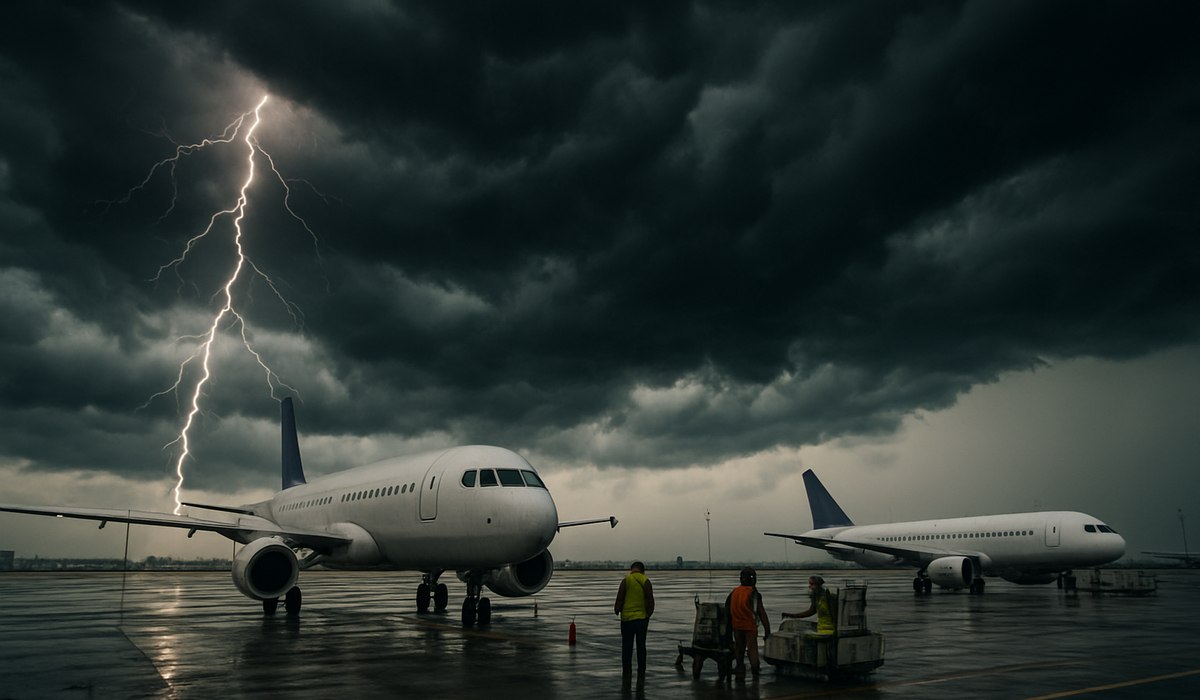
Image generated by AI
Detroit Metro Airport Faces Worst Spring Start in Years as Severe Weather Disrupts Operations
Detroit Metropolitan Wayne County Airport is enduring one of its most challenging spring travel starts in recent memory. Severe thunderstorms, low clouds, and gusty winds have battered the major Midwest hub throughout early April 2026, triggering rolling delays, cancellations, and diversions across some of America's busiest air corridors. More than 140 flights experienced delays on April 5 alone, with over 20 cancellations disrupting itineraries for thousands of passengers heading to major U.S. hubs and transatlantic destinations.
Severe Weather Batters Detroit's Busiest Hub
The geographic position of Detroit Metro near active frontal boundaries sweeping across the Great Lakes has left it particularly vulnerable to rapidly changing atmospheric conditions. Since the beginning of April, successive waves of thunderstorms have repeatedly slowed arrivals and departures, forcing controllers to implement spacing restrictions in the skies and slower ground handling procedures on taxiways.
When severe weather moves over southeastern Michigan, the Federal Aviation Administration requires increased spacing between aircraft, immediately reducing runway throughput. This triggers temporary ground holds at origin airports nationwide, amplifying local disruptions into broader regional bottlenecks. Spring storms snarl operations most during afternoon and evening peak periods when atmospheric instability peaks. Additional storm systems pushed through the region on April 11, compounding congestion already building from earlier disruptions and threatening to extend the disruption window through mid-April.
Ripple Effects Across Major U.S. and International Routes
The spring storms snarl network extends far beyond Michigan's borders. High-frequency domestic corridors to Chicago, New York, Boston, and Washington have experienced repeated delays exceeding 30 minutes during peak periods. Southern routes to Atlanta and Dallas have also suffered significant disruption, creating knock-on issues for connecting passengers heading to Florida, Texas, and the Mountain West.
Internationally, early April weather has impacted transatlantic services linking Detroit with Paris and Frankfurt. Cross-border routes to Toronto and other Canadian gateways have experienced intermittent delays as well. Some travelers have been rebooked through alternative hubs when aircraft and crews were reassigned to protect longer-haul flying. Regional connections across the Upper Midwest and Great Lakes have also faced cascading schedule adjustments as the system struggles to absorb the initial shock of spring storms.
Passenger Impact and Connection Issues
Thousands of passengers connecting through Detroit during early spring break and business travel season have faced missed connections, longer-than-planned layovers, and overnight rebookings. The tightly optimized schedules built around peak-time banked connections at Detroit Metro leave minimal operational slack. When large clusters of cancellations occur, aircraft and crews end up out of position, forcing additional schedule adjustments even after clear skies return.
Major carriers have issued weather waivers allowing eligible passengers to change travel dates without standard penalties when flights were affected by named weather systems. However, disruptions can cascade for days as the network absorbs the operational aftermath. Airlines have trimmed frequencies at the margins and implemented flexible rebooking policies, but these measures provide limited relief when spring storms snarl multiple major hubs simultaneously across the region.
Extended Forecast Threatens Further Disruptions
Meteorological outlooks for mid-April suggest that the pattern of recurring thunderstorms and windy frontal passages across the central United States could persist. This leaves Detroit Metro vulnerable to additional bouts of schedule instability even as airlines work to restore normal operations. The fragile balance between high traffic volumes and limited operational slack across the U.S. airline network means that further spring storms snarl risk remains elevated.
Aviation planning analyses indicate that the U.S. system operates with minimal buffers during peak spring travel periods. When multiple hubs face weather constraints simultaneously, reroutes and holding patterns quickly consume available airspace. Monitoring FlightAware and checking with your airline remains essential as the extended forecast period unfolds.
Key Spring Travel Disruption Data
| Metric | Details |
|---|---|
| Peak Disruption Date | April 5, 2026 |
| Delayed Flights (April 5) | 140+ departures and arrivals |
| Cancellations (April 5) | 20+ flights |
| Primary Weather Factors | Thunderstorms, low clouds, gusty winds |
| Most Affected Routes | Detroit–New York, Detroit–Chicago, Detroit–Atlanta |
| International Corridors | Detroit–Paris, Detroit–Frankfurt impacted |
| Canadian Routes | Toronto and other gateways experience delays |
| Forecast Window | Mid-April pattern persistence possible |
What This Means for Travelers
Immediate steps for passengers affected by spring storms snarl conditions:
-
Check your flight status on FlightAware or your airline's website before heading to the airport.
-
Contact your airline directly about weather waiver eligibility and flexible rebooking options if your flight was affected by named storm systems.
-
Monitor the extended forecast through the National Weather Service and plan travel around predicted high-impact weather windows.
-
Build extra buffer time into connection windows if traveling through Detroit before mid-April.
-
Document your flight disruption and keep confirmation numbers if you need to file a claim under U.S. Department of Transportation passenger rights protections.
-
Consider alternative routing through other major hubs if your planned Detroit connection shows weather-related frequency reductions.
-
Check airline policies regarding rebooking, meal vouchers, and hotel accommodations if overnight stays become necessary due to spring storms snarl impacts.
Frequently Asked Questions
Q: What is causing delays and cancellations at Detroit Metro Airport in April 2026?
A: Severe spring thunderstorms, low cloud ceilings, and gusty winds associated with frontal systems moving across the Great Lakes region are forcing the FAA to implement spacing restrictions between aircraft, reducing runway capacity and triggering cascading delays throughout the network.
Q: Which routes are most affected by spring storms snarl at Detroit?
A: Detroit's busiest corridors to New York, Chicago, Atlanta, and Dallas experience the heaviest disruption. International routes to Paris and Frankfurt, plus Canadian services to Toronto, are also significantly impacted by weather-related flow restrictions.
Q: Can I change my flight without penalty if affected by spring storms?
A: Major carriers have issued weather waivers for affected passengers on named weather systems. Contact your airline directly to confirm your flight qualifies and to explore rebooking options without standard change fees.
Q: How long will spring storms continue to affect Detroit Metro Airport?
A: Meteorological forecasts suggest thunderstorm and wind patterns could persist through mid-April. Monitor FAA delay updates and weather services daily for the most current outlook affecting your travel dates.
Related Travel Guides
- Summer Flight Delays: What Causes Them and How to Avoid Them
- U.S. Airline Passenger Rights: Know Your Protections Before You Fly
- Detroit Metro Airport Guide: Navigation Tips, Lounges, and Services
Disclaimer
This travel alert is based on publicly available flight-tracking data, Federal Aviation Administration reports, and industry coverage current as of April 11, 2026. Weather conditions, airline schedules, and operational policies evol
Raushan Kumar
Founder & Lead Developer
Full-stack developer with 11+ years of experience and a passionate traveller. Raushan built Nomad Lawyer from the ground up with a vision to create the best travel and law experience on the web.
Learn more about our team →