
Spring Storms Snarl April Travel at Detroit Metro Airport
Spring storms snarl Detroit Metro Airport operations in early April 2026, triggering over 100 flight delays as seasonal travel demand peaks. Thunderstorms and low visibility continue through the weekend.

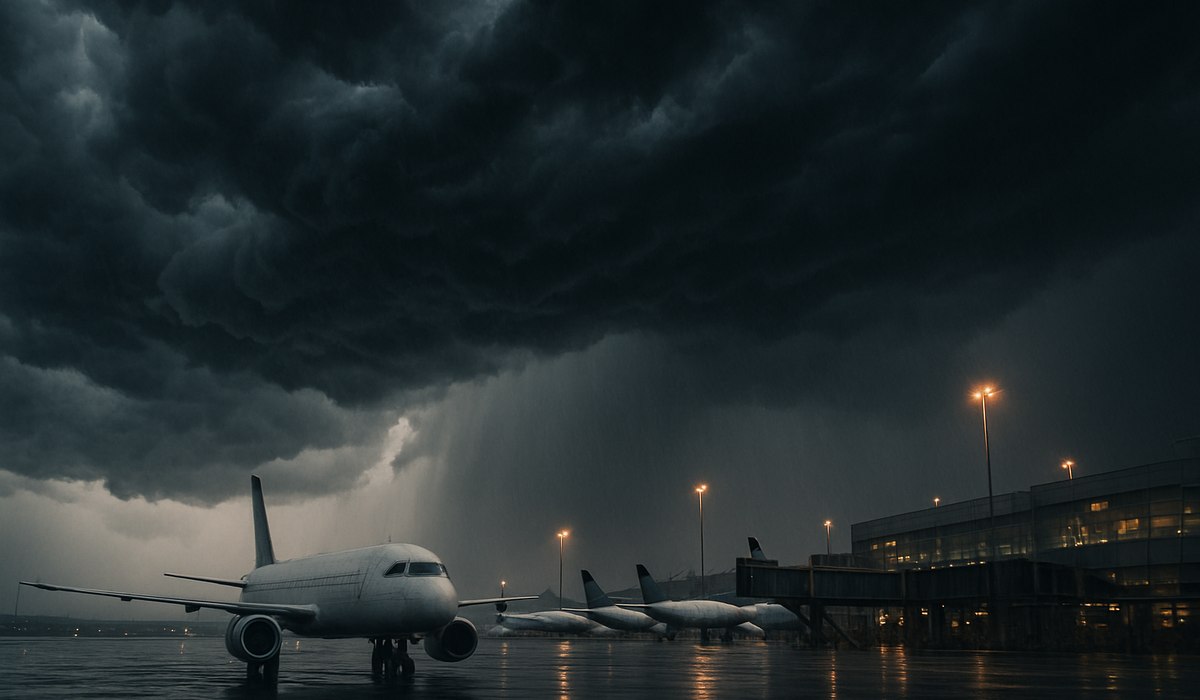
Image generated by AI
Spring Storms Snarl Operations at Detroit Metro During Peak Travel Season
Spring storms snarl flight operations at Detroit Metro Airport as consecutive weather systems sweep across Michigan in early April 2026. Over 100 flight delays were recorded on April 11 alone, disrupting travel for families, business commuters, and connecting passengers during one of the busiest spring getaway weekends. The disturbance marks the second major weather event in weeks, with similar disruptions on April 5 affecting both domestic and transatlantic routes.
Stormy Pattern Collides With Peak Spring Travel
A vigorous weather corridor stretching from the Plains into the upper Midwest has positioned Michigan squarely in an unsettled spring pattern. Successive low-pressure systems are delivering rain, embedded thunderstorms, and gusty winds to southeast Michigan, creating hazardous conditions for air traffic management.
Forecasters predict thunderstorms and heavy showers will redevelop through the weekend of April 12, intensifying what's already an exceptionally busy travel window. Low cloud ceilings, reduced visibility, and occasional lightning have forced airlines to reduce arrival and departure rates significantly. The combination of tight weather windows and spring break travel demand creates a perfect storm for cascading delays.
Aviation meteorologists note that while April's storms lack the intensity of March's destructive systems elsewhere in the Midwest, the persistent moisture-rich pattern generates continuous disruption. Even moderate thunderstorms prove sufficient to create stop-and-go operational environments at major hub airports. For travelers, understanding these seasonal weather patterns helps inform smarter itinerary planning during April travel season. Learn more about spring travel safety from TSA.gov.
Widespread Weather Corridor Impacts Upper Midwest
The severe weather system extends across multiple states, affecting aviation infrastructure throughout the region. Detroit's position on the northern, cooler edge of this unsettled pattern makes it particularly vulnerable to repeated thunderstorm complexes and low cloud formations.
Regional weather outlooks indicate the pattern will persist into mid-April, suggesting continued operational challenges beyond the immediate weekend. This extended forecast window compounds planning difficulties for airlines and travelers alike. Ground operations at Detroit Metro have been regularly paused for lightning activity and heavy precipitation, forcing aircraft into holding patterns or temporary ground stops at originating airports.
The broader Upper Midwest impact means alternative airports—including Chicago's O'Hare, Minneapolis-St. Paul, and Cleveland Hopkins—experience spillover effects. When Detroit operations slow, connecting passengers destined for coastal hubs or international gateways face mounting delays. Carriers operating through Detroit as a key network hub absorb the greatest disruption, as tight aircraft utilization leaves minimal recovery time once weather-induced congestion develops. Check NOAA weather forecasts for your travel dates.
Delays and Cancellations Ripple Across Key U.S. Routes
The April 11 weather event generated over 100 confirmed delays concentrated on domestic routes to major network hubs including New York, Atlanta, Chicago, and Los Angeles. A smaller number of cancellations were recorded, though same-day rebooking options became severely constrained as flights departed near capacity.
The April 5 disturbance proved similarly disruptive, with over 100 delays and several dozen cancellations affecting both U.S. and transatlantic services. This pattern of repeated disruption within a single week creates compounding challenges for crew scheduling, aircraft positioning, and passenger accommodation.
Network carriers and their regional partners—which depend on Detroit Metro as a critical connecting node—absorbed the brunt of operational impacts. When thunderstorms approach or low clouds settle over the field, arrival rates typically drop 40-50%, forcing aircraft into extended holding patterns. These slowdowns cascade rapidly into missed connections, aircraft positioned out of sequence, and longer-than-expected layovers.
Leisure routes to Florida, the West Coast, and southern resort destinations experienced particular delays as ground crews suspended ramp activity during lightning strikes and heavy precipitation. The combination of strong spring demand with limited aircraft slack means carriers cannot quickly recover once weather disruption begins accumulating during daylight hours.
What Travelers Should Expect Through Weekend
Passengers with flights through Detroit during April 11-12 should anticipate significant delays and potential same-day cancellations. Rebooking options will be extremely limited on peak routes where multiple departures face the same weather system.
Travelers connecting through Detroit to coastal hubs or international gateways remain especially vulnerable to missing onward flights. Those with tight connection windows—less than 2 hours—face elevated risk of overnight stays and additional expenses. Some passengers have successfully salvaged itineraries by rerouting through alternate Midwest hubs or nearby regional airports when Detroit schedules saturate with delays.
Ground operations will likely remain disrupted intermittently through the weekend as successive rain and thunderstorm rounds move through southeast Michigan. Airlines may implement reduced service schedules or consolidated flights to manage capacity constraints. Arriving flights often fall 30-90 minutes behind schedule, compressing connecting times further.
Consumer advocates recommend monitoring real-time flight status through airline apps or FlightAware, as delays may not appear in initial departure projections. Those with flexibility should consider shifting travel to April 13 or later, once the system moves eastward. Building extended connection buffers—3+ hours for hub transfers—significantly reduces stranding risk during volatile spring weather.
| Metric | Details |
|---|---|
| Delays Recorded (April 11) | 100+ flights |
| Cancellations (April 11) | Multiple (exact count pending) |
| Primary Affected Routes | New York, Atlanta, Chicago, Los Angeles |
| Weather Systems (April 2026) | April 5 & April 11 disturbances |
| Forecast Duration | Through April 12 (mid-April outlook shows continued unsettled conditions) |
| Affected Services | Domestic and transatlantic routes |
| Visibility Impact | Low cloud ceilings, reduced visibility, occasional lightning |
What This Means for Travelers
-
Check forecasts proactively: Monitor weather.gov and your airline's flight status updates 24-48 hours before departure. Spring storms snarl schedules with minimal warning.
-
Build longer connection buffers: Aim for 3+ hours minimum on connecting flights through Detroit during volatile spring weather periods. Standard 2-hour buffers prove insufficient during thunderstorm activity.
-
Arrive extra early: Plan to reach the airport 3 hours before domestic departures during April. Ground delays and long security lines compound weather disruptions at peak times.
-
Have flexible alternatives ready: Identify backup flights, alternative airports, or rescheduling options before arriving at the airport. Same-day rebooking capacity disappears quickly during spring storms.
-
Pack essentials in carry-on luggage: Unexpected overnight stays occur frequently when spring storms snarl operations. Keep medications, chargers, and toiletries accessible.
-
Use airline apps for real-time updates: Mobile notifications often precede traditional rebooking processes. Enable push notifications to receive delay/cancellation alerts immediately.
Frequently Asked Questions
Q: Will my flight be cancelled if spring storms snarl Detroit on my departure day?
A: Cancellations remain less common than delays during April thunderstorm events. However, if your flight operates through Detroit as a connection or originating point, significant delays (2+ hours) are probable. Airlines typically cancel only when weather completely closes the airport or causes multi-day disruption patterns.
Q: What compensation do I receive for delays caused by spring weather?
A: U.S. domestic weather delays typically don't qualify for DOT compensation, as weather falls under "acts of God" exemptions. However, airlines may provide meal vouchers, hotel accommodations, or travel credits based on carrier policies. Check your airline's specific weather delay policy beforehand.
**Q: Should I reschedule my flight if spring storms sna
Disclaimer
This article is for informational and educational purposes only. It does not constitute legal, financial, or professional advice. While we strive to provide accurate and up-to-date information, travel policies, regulations, and conditions change rapidly. Always verify information with official sources before making travel decisions. Nomad Lawyer makes no representations about the accuracy, reliability, completeness, or suitability of the information provided. Readers should consult qualified professionals for advice specific to their circumstances. The views expressed in this article are those of the author and do not necessarily reflect the views of Nomad Lawyer.
Kunal K Choudhary
Co-Founder & Contributor
A passionate traveller and tech enthusiast. Kunal contributes to the vision and growth of Nomad Lawyer, bringing fresh perspectives and driving the community forward.
Learn more about our team →