
Spring 2026 Airfares Surge 14.9% Year-Over-Year: Jet Fuel Crisis Forces Delta, United, American to Raise Ticket Prices
Airfares jumped 2.7% in March 2026 alone, with a 14.9% year-over-year increase. Jet fuel costs—up to 25% of airline expenses—drive surcharges across domestic and transatlantic routes.

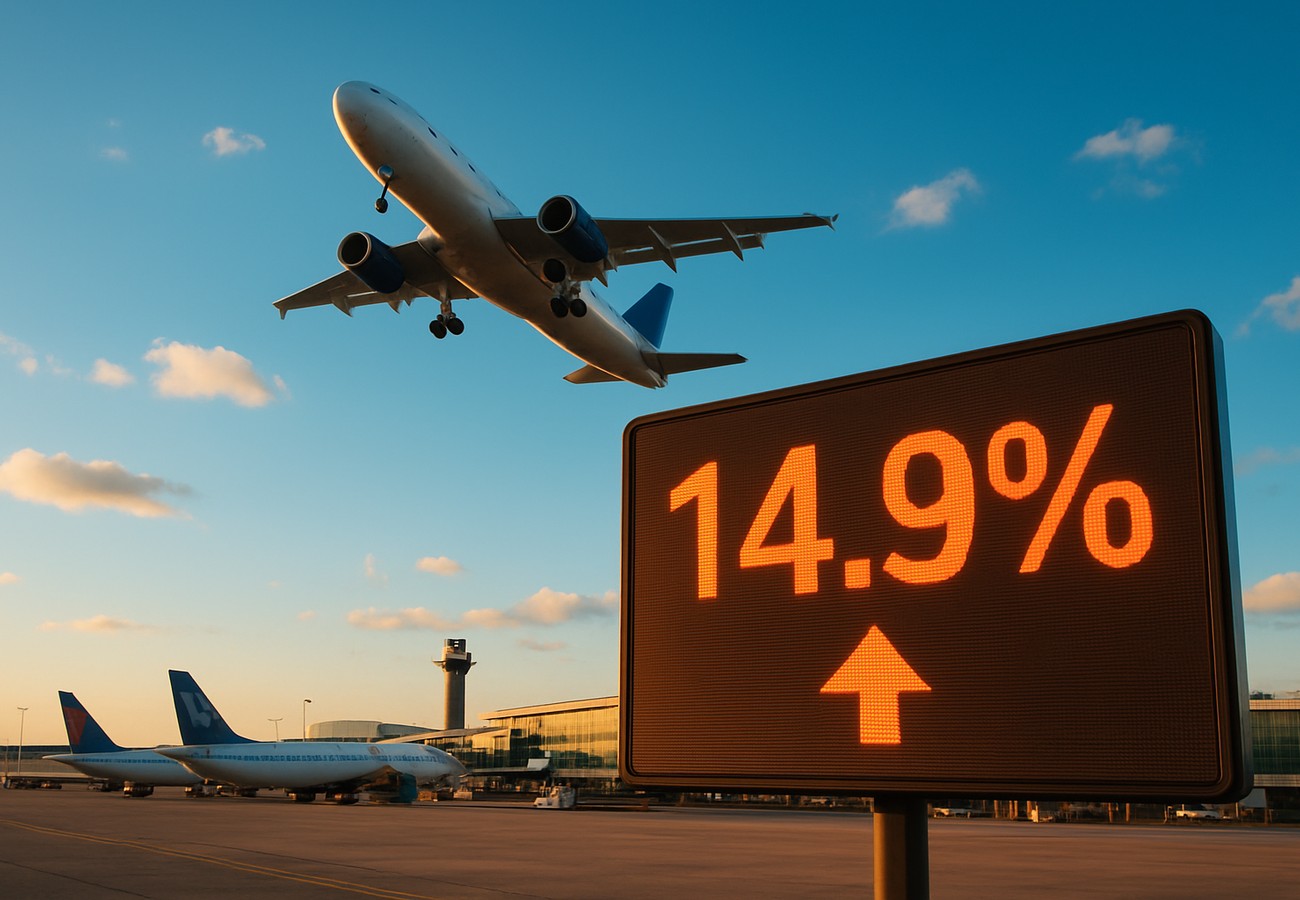
Image generated by AI
Airfares jumped 2.7% from February to March 2026, marking a staggering 14.9% year-over-year increase that has blindsided budget travelers and business flyers alike. According to the U.S. Bureau of Labor Statistics Consumer Price Index (CPI) for March 2026, the surge reflects a perfect storm of geopolitical instability, supply chain disruptions, and airline cost-pass-through strategies that show no signs of abating.
What Triggered the Change
The culprit is unmistakable: jet fuel costs have skyrocketed, driven by Middle East geopolitical tensions and refinery capacity constraints that have sent oil prices spiraling upward. For airlines, this is no minor inconvenience—jet fuel constitutes up to 25% of airline operating expenses, making it the second-largest cost center after labor. When fuel prices surge, carriers have limited options: absorb the losses or pass them to passengers.
Delta Air Lines, United Airlines, American Airlines, JetBlue Airways, and Southwest Airlines have all implemented fuel surcharges and base fare increases on both domestic and transatlantic routes. The increases vary by route and season, but travelers booking flights for summer 2026 are reporting sticker shock at checkout. This is not temporary—industry analysts expect volatility to persist throughout the year as global supply dynamics remain uncertain.
Routes and Regions in Focus
| Route Type | March 2026 Price Change | YoY Increase | Affected Airlines |
|---|---|---|---|
| Domestic (U.S.) | +2.7% (Feb–Mar) | +14.9% | Delta, United, American, Southwest |
| Transatlantic | +2.7% (Feb–Mar) | +14.9% | Delta, United, American, JetBlue |
| Short-haul (under 500 mi) | Moderate increase | +14.9% | Southwest, JetBlue, regional carriers |
| Long-haul (over 3,000 mi) | Highest impact | +14.9% | Delta, United, American |
The Middle East geopolitical context—particularly tensions affecting oil-rich regions like Iran—has created a cascading effect across global aviation. Transatlantic routes have been hit hardest because they consume the most fuel per passenger. Domestic routes show similar percentage increases, but the absolute dollar impact is lower. Southwest Airlines has responded by reducing long-haul capacity and focusing on profitable short-haul routes during peak summer months. JetBlue Airways has announced capacity cuts on specific long-haul routes to limit fuel exposure.
What Travelers Get
- Fuel surcharges: Delta, United, and American now add explicit fuel surcharges to base fares on both domestic and international flights; amounts vary by route but can range from $15–$75 per segment.
- Baggage fee increases: Several carriers have raised checked baggage fees from $30 to $35–$40 per bag, adding $60–$80 to round-trip family bookings.
- Reduced flight frequency: Southwest and JetBlue have cut capacity on unprofitable routes, limiting seat availability and pushing prices higher through supply constraints.
- Bundled pricing models: Some airlines now offer discounted fare tiers for specific routes or partnerships with travel agencies, though these require advance booking and inflexible change policies.
- Loyalty program premiums: Frequent flyer programs have become more valuable as airlines prioritize retaining high-value customers; elite members see better fuel surcharge waivers and upgrade availability.
What This Means for Travelers
Book flights 6–8 weeks in advance to lock in fares before further increases; avoid peak summer travel (June–August) if possible, as fuel surcharges compound during high-demand periods. Monitor airline loyalty programs aggressively—elite status can waive or reduce fuel surcharges. Consider alternative routes or nearby airports; flying into a secondary hub may offer 5–10% savings. Use flight comparison tools that isolate base fares from surcharges so you understand the true cost structure. For business travelers, negotiate corporate rates with airlines now before Q2 bookings spike. Check the U.S. Bureau of Labor Statistics CPI reports monthly to anticipate further increases; if fuel prices stabilize, airlines may reduce surcharges within 4–6 weeks.
FAQ: Spring Airfare Price Increases 2026
Q: Why did airfares jump 14.9% year-over-year from March 2025 to March 2026? A: Jet fuel prices surged due to Middle East geopolitical tensions and refinery capacity constraints. Since fuel represents up to 25% of airline operating costs, carriers passed these increases directly to passengers through higher base fares and fuel surcharges.
Q: Will airfares come down if fuel prices stabilize? A: Possibly, but with a 4–6 week lag. Airlines typically adjust surcharges monthly based on commodity futures prices. However, base fares rarely decrease; airlines use fuel surcharges as a temporary pass-through mechanism while keeping base fares elevated.
Q: Which airlines have the highest fuel surcharges right now? A: Delta, United, and American have implemented explicit fuel surcharges on both domestic and transatlantic routes. Southwest and JetBlue have reduced capacity instead, raising prices through supply constraints. Check individual airline websites for current surcharge amounts by route.
Related Travel Guides
Disclaimer
This article is for informational and educational purposes only. It does not constitute legal, financial, or professional advice. While we strive to provide accurate and up-to-date information, travel policies, regulations, and conditions change rapidly. Always verify information with official sources before making travel decisions. Nomad Lawyer makes no representations about the accuracy, reliability, completeness, or suitability of the information provided. Readers should consult qualified professionals for advice specific to their circumstances. The views expressed in this article are those of the author and do not necessarily reflect the views of Nomad Lawyer.
Kunal K Choudhary
Co-Founder & Contributor
A passionate traveller and tech enthusiast. Kunal contributes to the vision and growth of Nomad Lawyer, bringing fresh perspectives and driving the community forward.
Learn more about our team →