
Spain Faces Crisis as Overtourism, Wildfires, and Housing Shortages Hit Barcelona and Balearic Islands in 2026
Spain is grappling with a systemic crisis as record-breaking tourism numbers clash with severe housing shortages, climate-driven wildfires, and escalating anti-tourism sentiment in major hubs like Barcelona and Ibiza.

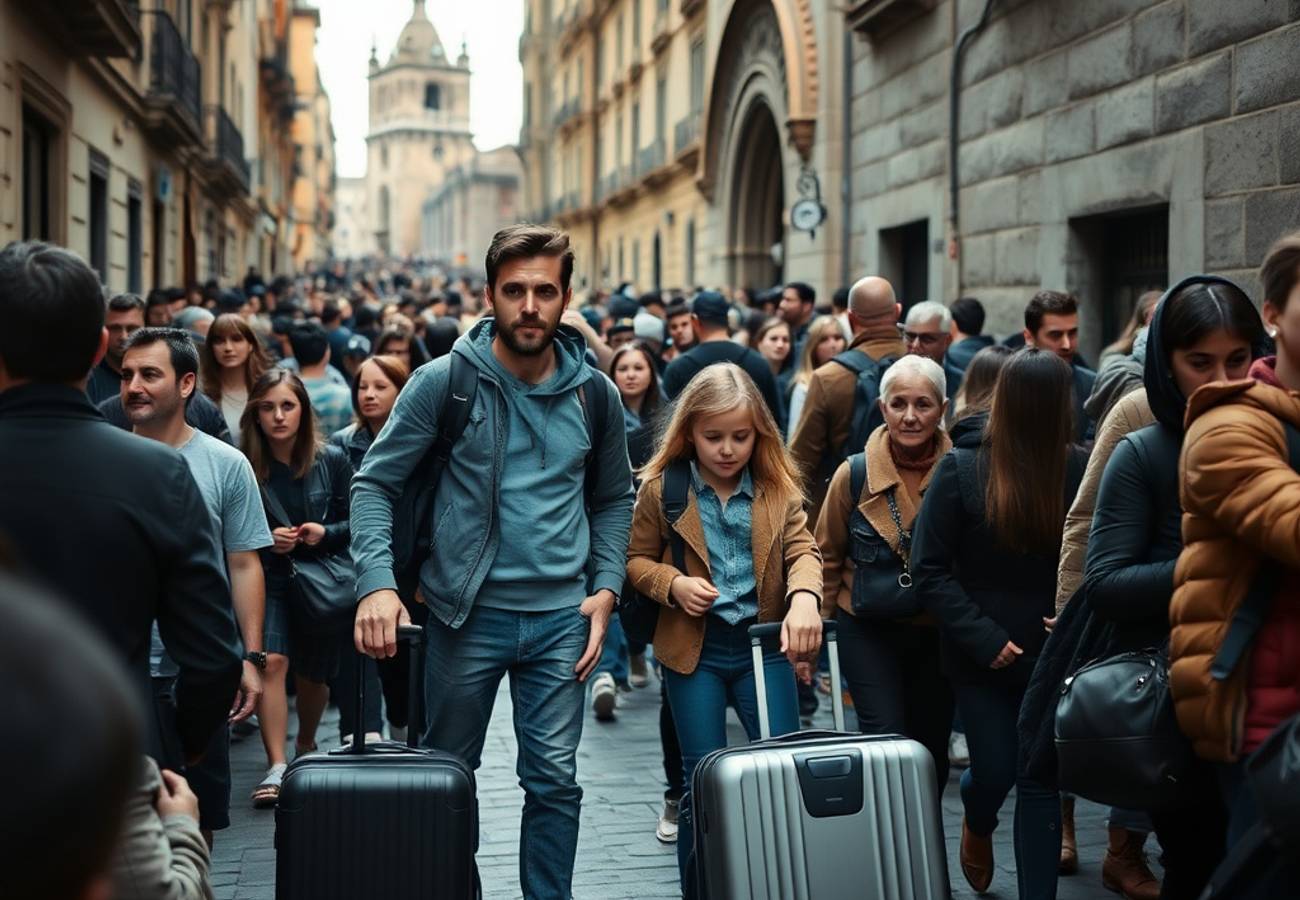
Image generated by AI
Spain is currently confronting a multifaceted national crisis as a surge in record-breaking visitor arrivals collides with severe environmental degradation and a collapsing housing market. Major hubs including Barcelona, Ceuta, Mallorca, Ibiza, Valencia, Málaga, and Tenerife are reporting unprecedented pressure on public infrastructure, border security, and residential availability. While the economic data remains strong, the social cost of this growth has triggered a tipping point for local governance and resident stability.
The convergence of these issues has left the Spanish government struggling to balance the immediate financial gains of the travel sector against the long-term viability of its most popular cities. With the country expecting to host nearly 100 million international tourists in 2026, the sheer volume of human traffic is now exacerbating existing structural vulnerabilities, ranging from water scarcity to an illegal short-term rental epidemic.
Economic Growth vs. Structural Collapse in 2026
The Spanish tourism sector is reporting a historic year in terms of raw numbers, yet this success is masking a deepening systemic failure. From the volcanic terrain of Tenerife to the urban corridors of Valencia and the beaches of Mallorca, destinations are hitting their maximum operational capacity weeks earlier than in previous seasons.
Airlines are expanding their flight frequencies and cruise operators are deploying larger vessels into Spanish ports, ensuring a steady stream of capital. However, this influx is creating a volatile environment where the economic benefits are increasingly concentrated among large corporations, while the local population bears the brunt of overcrowded public transport and degraded public services.
Industry observers indicate that the primary challenge has shifted from growth to management. The sustainability of the "Spanish Model" is under scrutiny as local communities express growing resentment toward a tourism industry that often displaces residents from their own neighborhoods.
Factors Driving Unprecedented Visitor Volume
Several global shifts have converged to make Spain a primary target for international travel in 2026. The nation's reputation for safety, high-tier infrastructure, and consistent Mediterranean weather continues to attract a diverse demographic, including luxury travelers, digital nomads, and business professionals.
Geopolitical instability in North Africa and parts of the Middle East has redirected travel flows toward Southern Europe. Consequently, Spanish resorts are seeing a "displacement effect," where travelers who would typically visit other regions are now flooding Spanish shores.
Reports from luxury accommodation providers show a significant shift in consumer behavior. Travelers are now booking peak summer stays months in advance, effectively eliminating last-minute availability and pushing occupancy rates to 100% well before the traditional August peak. This trend has intensified the strain on environmental resources and local labor markets.
Barcelona as the Epicenter of Urban Strain
Barcelona serves as the most visible example of the conflict between tourism and livability. The city's global appeal—driven by its unique architecture and cruise terminals—has created a permanent state of congestion in the Gothic Quarter, Barceloneta, and the areas surrounding the Sagrada Família.
The cruise industry, while lucrative, has become a flashpoint for local anger. The simultaneous docking of multiple mega-ships injects thousands of passengers into the historic center in a matter of hours, creating "bottleneck" congestion that overwhelms the city's pedestrian infrastructure.
More critical is the housing crisis. The proliferation of illegal and short-term holiday rentals has gutted the long-term rental market, driving prices to levels that are unaffordable for the average resident. In response, city officials are implementing more aggressive regulations on tourist licenses and exploring legal frameworks to reclaim residential housing from the short-term market.
Resource Depletion in Mallorca and the Balearics
In Mallorca, the crisis is manifesting as a battle for basic resources. The island's popularity in Palma, Sóller, and Alcúdia has led to a dangerous intersection of high demand and environmental fragility.
Recent summers have seen mass demonstrations by residents demanding strict caps on visitor numbers. Beyond the social unrest, there is a physical limit to the island's capacity; road networks are frequently paralyzed during peak periods, and water reserves are being depleted at an unsustainable rate due to the combined effects of prolonged droughts and the high water consumption of luxury resorts.
For the local population, the issue is not the presence of tourists, but the unregulated scale of expansion. The reliance on tourism for GDP has created a "dependency trap" where the economy cannot afford to limit growth, even as the environment reaches a breaking point.
Spain’s Tourism Threat Zones (2026)
The following data outlines the specific risks currently facing different regions of Spain based on 2026 reporting:
| Risk Category | Primary Affected Regions |
|---|---|
| Highest Overtourism Risk | Barcelona, Palma de Mallorca, Ibiza, Tenerife, Gran Canaria |
| Highest Climate Risk | Seville, Málaga, Almería, Valencia, Madrid |
| Highest Wildfire Risk | Ávila, Madrid region (Sierra Oeste), Castellón, Valencia province, Almería |
| Highest Anti-Tourism Risk | Barcelona, Palma de Mallorca, Tenerife, Gran Canaria, Ibiza, Málaga |
| Highest Housing Pressure | Barcelona, Palma de Mallorca, Ibiza, Málaga, Valencia, Tenerife |
Ibiza and the Diversification of Demand
Ibiza is attempting to pivot away from its reputation as solely a nightlife hub to attract a more sustainable, high-spend demographic. The rise of wellness retreats and luxury villa rentals is intended to reduce the sheer volume of "party tourism" while maintaining high revenue. However, the environmental limits of the island remain a hard ceiling. The surge in luxury development continues to put pressure on the island's natural landscapes and waste management systems.
Why This Matters: The Impact on Travelers and Residents
For the international traveler, these developments mean the era of "unrestricted access" to Spain is ending. Visitors can expect more stringent entry requirements, higher "tourist taxes," and significantly more crowded attractions. The shift toward timed-entry systems and capped visitor numbers is no longer a suggestion but a necessity for survival.
From a legal and logistical standpoint, the crackdown on illegal holiday rentals creates a precarious situation for those booking through unofficial channels. Travelers may find their reservations canceled if the property is flagged as an illegal rental by local authorities.
For the resident, the situation is an existential crisis. When housing becomes a commodity for tourists rather than a right for citizens, the social fabric of cities like Barcelona and Palma begins to unravel. The rise of "anti-tourism" sentiment is not a hatred of visitors, but a reaction to a policy failure that prioritized short-term profit over long-term urban stability.
Spain now stands at a crossroads where the pursuit of record-breaking numbers may ultimately destroy the very beauty and culture that attracts the world.
Related Travel Guides
Disclaimer
This article is for informational and educational purposes only. It does not constitute legal, financial, or professional advice. While we strive to provide accurate and up-to-date information, travel policies, regulations, and conditions change rapidly. Always verify information with official sources before making travel decisions. Nomad Lawyer makes no representations about the accuracy, reliability, completeness, or suitability of the information provided. Readers should consult qualified professionals for advice specific to their circumstances. The views expressed in this article are those of the author and do not necessarily reflect the views of Nomad Lawyer.
Kunal K Choudhary
Co-Founder & Contributor
A passionate traveller and tech enthusiast. Kunal contributes to the vision and growth of Nomad Lawyer, bringing fresh perspectives and driving the community forward.
Learn more about our team →