
Mediterranean Heatwave Travel Guide 2026: Spain's 46.6M Arrivals, Nighttime Records, and Climate Shelters

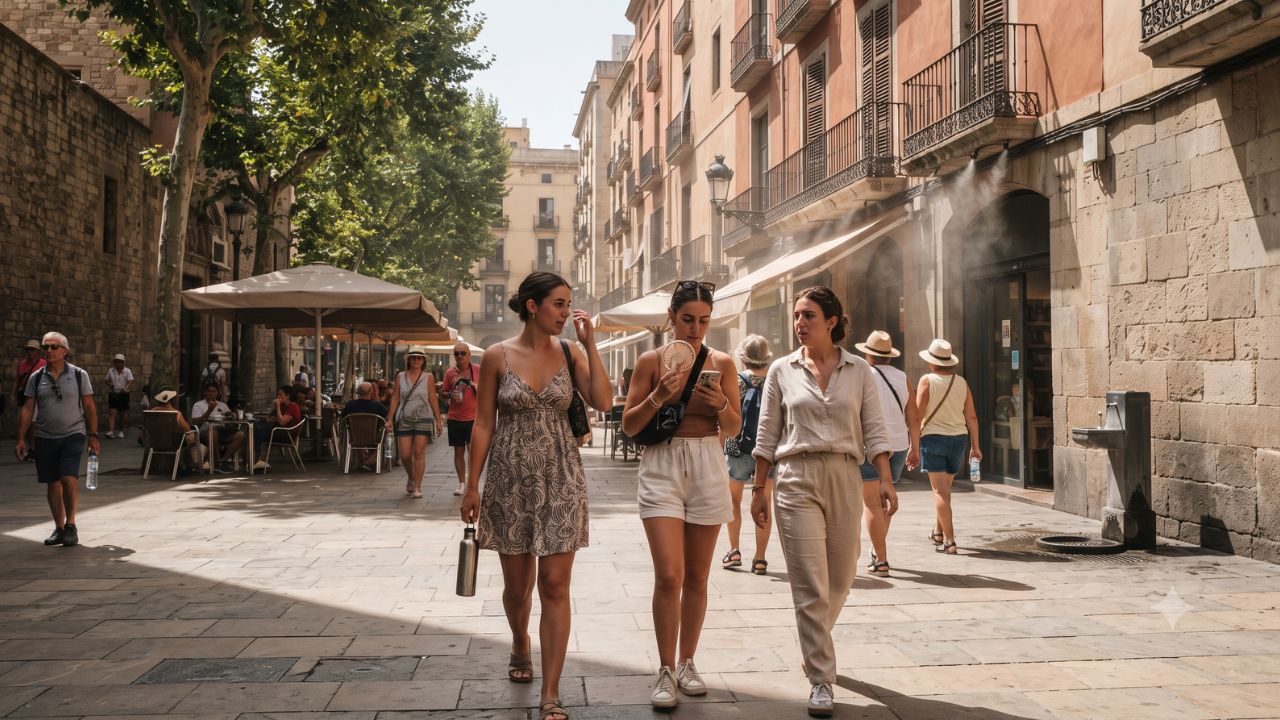
Despite an unprecedented meteorological "Omega block" locking extreme heat across Southern Europe and driving October nighttime minimums to a record 23.9°C in Almería and 22.0°C in Tarifa, Spain shattered all tourism benchmarks by welcoming 46.6 million international visitors in the first half of 2026. According to official data from the National Statistics Institute (INE), Spain’s tourism economy outpaced France, Italy, and Greece, driven by robust domestic demand and an Iberian hotel sector that accommodated over 20 million travelers.
For international travelers exploring the Mediterranean basin, traveling comfortably during unseasonable heat anomalies requires embracing local architectural and cultural adaptations. From Barcelona’s municipal network of more than 380 public climate shelters to reflective urban pavements in Greece, European cities are actively re-engineering the tourist experience to ensure safe, culturally immersive journeys amid a warming climate.
Climate Resilience: Spain Outpaces Regional Competitors
Meteorological monitoring from the Copernicus Climate Change Service reveals that Europe is warming at twice the global rate, having warmed by 2.0°C since 1976. This accelerated continental warming, combined with intense marine heatwaves in the Mediterranean Sea and stationary high-pressure atmospheric ridges, has produced persistent nighttime warmth across coastal resort corridors.
Despite these environmental challenges, international demand for Spanish culture, coastal gastronomy, and architectural heritage remains exceptionally high. The World Travel & Tourism Council (WTTC) and UN Tourism report that Spain’s proactive urban heat adaptation strategies have sustained traveler confidence, keeping it the world's leading holiday destination.
| Destination / Sector | H1 2026 Performance Metric | Primary Reporting Source | Tourism Resilience Factor |
|---|---|---|---|
| Spain (National Total) | 46.6 million international tourists | National Statistics Institute (INE) | Record inbound volume across coastal & cultural hubs |
| Iberian Hotel Sector | Over 20 million travelers | WTTC / UN Tourism | High occupancy supported by cooling infrastructure |
| Italy (National Total) | Rapidly climbing visitor arrivals | ENIT (Italian National Tourist Board) | Strong cultural city demand in Rome, Florence, Venice |
| Almería Coastal Sector | 23.9°C record October minimum | State Meteorological Agency | Elevated nighttime coastal temperatures |
| Tarifa Wind & Surf Coast | 22.0°C record October minimum | Regional Marine Tracking | Tropical night conditions on Atlantic-Mediterranean cusp |
| Beni Saf (Algeria) | 24.1°C record October minimum | North African Regional Monitoring | Trans-Mediterranean southerly heat transfer |
What Makes European Urban Climate Adaptation Innovative
To combat the "urban heat island" effect—where dark asphalt and dense masonry trap daytime heat—European destinations are implementing advanced biophilic design and urban cooling corridors.
Key municipal adaptations transforming the visitor experience include:
- Barcelona's Climate Shelter Network (Xarxa de Refugis Climàtics): Barcelona operates over 380 dedicated climate shelters across the city. These include public libraries, civic centers, botanical gardens, and shaded parks with free potable water fountains, ensuring that every resident and visitor is within a 10-minute walk of a thermal haven. The city has also connected historic neighborhoods through green axes (ejes verdes) featuring public misting stations.
- Rethymno's Reflective Pavements: In Crete, the historic center of Rethymno installed pale, highly reflective cool pavements that reduced ground surface temperatures by over 8°C.
- Paris Cours Oasis and Thermal Roofing: Paris is systematically replacing schoolyard asphalt with permeable soils and shade trees while insulating historic zinc roofs to prevent indoor heat buildup.
- Vienna Pedestrian Cooling Zones: Austria’s capital established temporary "Cool Streets" (Cooling Zones) that prohibit vehicular traffic and activate high-pressure water misting columns for pedestrians.
- Copenhagen's Climate District: The Skt. Kjelds neighborhood features landscaped rain gardens and sunken urban parks that act as natural thermal buffers.
Preserving ancient quarters listed with the UNESCO World Heritage Centre—such as the Gothic Quarter in Barcelona, the Alhambra in Granada, and the historic center of Córdoba—requires blending historic stone preservation with passive shading techniques like traditional canvas awnings (toldos).
| European City | Climate Adaptation Infrastructure | Measurable Environmental Result | Practical Visitor Benefit |
|---|---|---|---|
| Barcelona, Spain | 380+ climate shelters & ejes verdes | Universal 10-minute access to cooling | Air-conditioned cultural resting spaces |
| Rethymno, Greece | Cool reflective pedestrian pavements | >8°C reduction in street surface heat | Comfortable daytime walking in old town |
| Vienna, Austria | Pedestrian "Cool Streets" & green bus stops | Microclimate temperature reduction | Misted car-free shopping boulevards |
| Paris, France | Cours Oasis permeable green schoolyards | Elimination of heat-retaining tarmac | Expanded neighborhood tree shade |
| Copenhagen, Denmark | Skt. Kjelds floodable thermal parks | Natural buffer against urban heat | Verdant community relaxation spaces |
Visitor Insider Tips
- Locate Barcelona's Climate Shelters on Your Phone: Before exploring Barcelona, bookmark the city's official Refugis Climàtics interactive map. If you feel overheated while wandering Eixample or Gràcia, step inside participating public libraries, museums, or shaded historic cloisters for free air-conditioned rest and water refills.
- Adopt the Traditional Mediterranean Daily Rhythm: Avoid direct sun exposure between 13:00 and 17:00. Schedule outdoor sightseeing, cathedral visits, and walking tours for early morning (08:30 to 11:30), retreat indoors during peak heat for a long lunch or museum visit, and re-emerge after 20:00 for evening tapas.
- Hydrate with Traditional Electrolyte Refreshments: In southern Spain, order chilled gazpacho or salmorejo—cold tomato, garlic, and olive oil soups packed with natural electrolytes. In Valencia, enjoy a glass of cold horchata de chufa (tiger nut milk) at a traditional horchatería.
- Verify Hotel Air Conditioning Specifications: When booking accommodation in historic city centers, confirm that the property features modern, individually controlled air conditioning rather than central ventilation fans.
Cultural and Environmental Context
According to destination strategies outlined by Spain.info / Turespaña, the Spanish tourism model is adapting to climate realities by promoting seasonal and geographic dispersal. Encouraging travelers to visit northern Atlantic regions (España Verde—Galicia, Asturias, Cantabria, and the Basque Country) and extending travel into mild winter months balances visitor distribution.
Traditional Andalusian urban design offers time-tested lessons in passive cooling. Whitewashed facades reflect solar radiation, narrow medieval alleyways cast continuous shadow, and interior courtyard fountains generate natural evaporative cooling. By respecting local daily schedules, conserving municipal water during droughts, and patronizing energy-efficient local businesses, travelers actively support sustainable Mediterranean tourism.
FAQ: Traveling in Spain During Extreme Heat 2026
What are Barcelona's climate shelters and who can use them?
Barcelona operates over 380 public climate shelters located in libraries, museums, community centers, and shaded parks. They are free and open to all residents and visitors seeking thermal relief.
How did Spain achieve 46.6 million tourists during severe heat?
Spain sustained record arrival numbers due to comprehensive urban cooling infrastructure, resilient hotel air-conditioning standards, and the enduring global appeal of its cultural and coastal attractions.
What are the best hours for outdoor sightseeing in southern Spain?
The safest and most pleasant hours are early morning from 08:30 to 11:30 and late evening after 20:00, avoiding peak afternoon heat between 13:00 and 17:00.
Which regions of Spain offer cooler summer temperatures?
The northern Atlantic coast (España Verde), including Galicia, Asturias, Cantabria, and the Basque Country, offers significantly milder temperatures and verdant coastal scenery.
By embracing the wisdom of local rhythms and modern urban cooling, exploring Spain remains an exhilarating, sun-blessed adventure.
Related Travel Guides
Disclaimer
This article is for informational and educational purposes only. It does not constitute legal, financial, or professional advice. While we strive to provide accurate and up-to-date information, travel policies, regulations, and conditions change rapidly. Always verify information with official sources before making travel decisions. Nomad Lawyer makes no representations about the accuracy, reliability, completeness, or suitability of the information provided. Readers should consult qualified professionals for advice specific to their circumstances. The views expressed in this article are those of the author and do not necessarily reflect the views of Nomad Lawyer.
Raushan Kumar
Founder & Lead Developer
Full-stack developer with 11+ years of experience and a passionate traveller. Raushan built Nomad Lawyer from the ground up with a vision to create the best travel and law experience on the web.
Learn more about our team →