
Spain Follows Germany and More as France Sustainable Food Tourism Drives Farm-to-Table Travel
Spain Follows Germany and More as France Sustainable Food Tourism Drives Farm-to-Table Travel

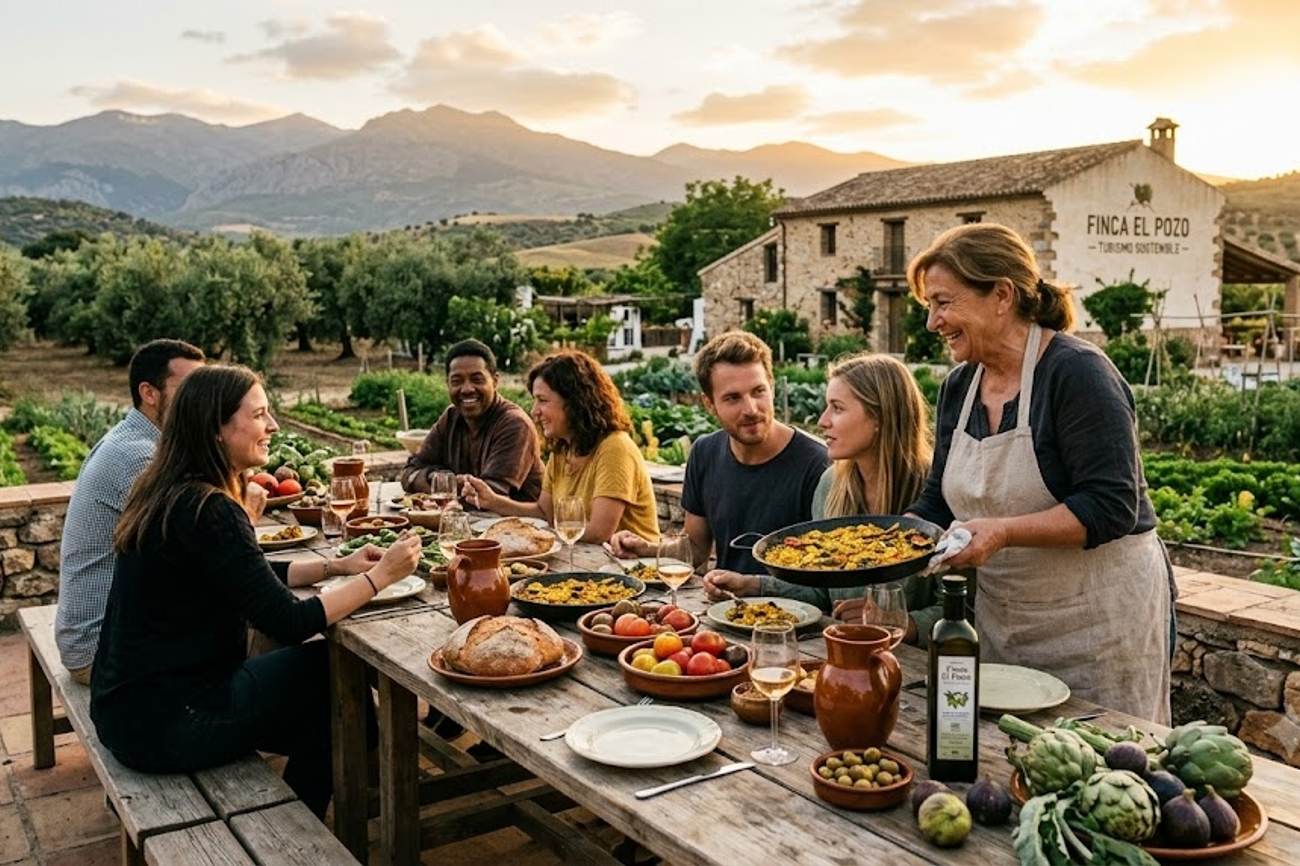
Image generated by AI
102 million international arrivals in 2025 established France as a global tourism titan, yet a systemic shift is occurring beneath these headline numbers. While the sheer volume of visitors remains staggering, there is a documented decline in visits to traditional, high-profile eateries in favor of decentralized, local food systems. This transition toward sustainable food tourism—characterized by farm-to-table experiences and regional culinary exploration—is no longer a niche preference but a strategic pivot designed to alleviate pressure on urban centers and redistribute tourism capital into rural economies.
The Pivot Toward Decentralized Gastronomy
The French government has integrated sustainable tourism into its 2030 national ambition, recognizing that the traditional model of concentrating visitors in major cities is unsustainable. By promoting protected food origins and organic farming systems, France is attempting to decouple its culinary identity from the "star-restaurant" prestige of Paris and Lyon, instead linking gastronomy to the rural landscape. This shift is designed to move the traveler's journey from the curated menu of a city bistro to the raw production sites of the countryside.
This movement is supported by a massive infrastructure of international arrivals. In 2025, France generated €77.5 billion in international tourism receipts, with total international visitor nights hitting 743 million. The heavy reliance on European markets—which accounted for 76% of those nights—makes the region the primary engine for this sustainable transition. Because European travelers can access rural France via rail and road, they are the ideal demographic to pilot "slow travel" food itineraries that avoid the carbon-heavy logistics of long-haul aviation for every single regional hop.
Market Breakdown: The Engines of Culinary Demand
The demand for sustainable food tourism is not uniform across markets; it is driven by different behavioral triggers depending on the country of origin. Germany, Spain, the UK, and the US each contribute distinct economic pressures and preferences that shape how France develops its regional food offerings.
| Market Indicator | Germany (2025) | United Kingdom (2025) | Spain (2025) | United States (2025) |
|---|---|---|---|---|
| Total Arrivals | 15.6 Million | 13.1 Million | 8.6 Million | 5.5 Million |
| Tourism Receipts | €7.5 Billion | €8.03 Billion | €5.01 Billion | €7.3 Billion |
| Hotel/Campsite Nights | 20.3 Million | 15.5 Million | 7.3 Million | 12 Million |
| Growth (Nights/Arrivals) | +9% | N/A | +7.2% (Nights) | +13.4% (Nights) |
The German market, France's largest source of arrivals, shows a specific alignment with "art de vivre" and natural heritage. With a 9% increase in both arrivals and hotel nights, German travelers are increasingly seeking authenticity over luxury. Simultaneously, the UK remains a high-value pillar, contributing 10.3% of all international tourism receipts. British visitors are not only focused on gastronomy but have become the dominant winter market, generating 3.1 million hotel nights in winter 2026.
Spain and other European countries are taking note of France's sustainable food tourism initiatives, which are driving a new wave of farm-to-table travel. According to the French Government Tourism Website, the country's focus on locally sourced ingredients and eco-friendly practices is attracting visitors from around the world. As a result, destinations like Provence and Bordeaux are experiencing a surge in tourism, with travelers eager to sample the region's renowned cuisine and wines.
From a long-haul perspective, the US market is experiencing an aggressive growth phase. American visitor receipts rose 5% between January and May 2026, and hotel/campsite nights surged by 13.4% in 2025. This indicates that high-spending North American travelers are increasingly willing to venture beyond the "museum-and-monument" circuit to engage with experiential, regional farming and dining.
Expert Analysis: The Economics of the Farm-to-Table Shift
For the modern traveler, the transition from "famous eateries" to "local food systems" is not merely a trend in taste—it is a shift in the economic geography of travel. When a visitor chooses a regional organic farm over a Michelin-starred restaurant in a tourist hub, the "leakage" of tourism dollars (where money leaves the local community to go to corporate owners or international chains) is significantly reduced.
The data suggests a strategic move by Atout France to leverage the proximity of the European market. Because 76% of visitor nights come from Europe, the promotion of rail-linked food tours reduces the environmental footprint of the journey while increasing the length of stay in rural zones. For travelers booking these routes, the direct consequence is a transition from "sightseeing" to "system-seeing." Instead of consuming a finished product in a city, they are paying for the experience of the production process.
Furthermore, the growth in the US market—specifically the 17% jump in tourism receipts from American visitors in 2025—suggests that sustainable food tourism is becoming a luxury product. The "authentic" rural experience is being commodified for the long-haul traveler, creating a pricing premium for organic, farm-stay, and artisanal experiences. This creates a dual-track economy: high-volume, low-impact rail travel for Europeans and high-value, experiential luxury for North Americans. This diversification protects the French tourism economy from over-reliance on any single demographic.
The growth of sustainable food tourism in France is also being supported by initiatives from airlines and transportation providers, making it easier for passengers to plan their trips. For example, visitors can book flights and trains through the SNCF Website, which offers a range of travel options and itineraries tailored to food and wine enthusiasts. By promoting sustainable tourism practices and supporting local farmers and producers, France is setting a new standard for responsible travel and culinary exploration.
Key Takeaways
- Volume vs. Value: While France saw 102 million arrivals in 2025, the strategic focus has shifted from increasing raw numbers to increasing the "local impact" of spending via sustainable food systems.
- Market Dominance: Germany remains the leader in arrivals (15.6 million), but the UK provides critical high-value stability, accounting for 10.3% of all international receipts.
- US Growth Surge: American tourism is expanding rapidly, with a 13.4% increase in hotel/campsite nights and a 17% rise in receipts, signaling a strong appetite for experiential regional travel.
- Seasonal Stability: The UK market is the primary driver of winter tourism, providing 3.1 million hotel nights in winter 2026, which helps sustain rural food producers during the off-season.
- Strategic Redistribution: The decline in visits to famous urban eateries is a calculated move toward "responsible dining," aimed at spreading tourism wealth into less-impacted rural areas.
FAQ: France Sustainable Food Tourism 2026
What is sustainable food tourism in France? It is a travel model that prioritizes local food systems, organic farming, and regional produce over traditional high-end urban dining. The goal is to connect visitors directly with producers and reduce the environmental impact of food logistics.
Which countries visit France the most for gastronomy? Germany is the largest source of arrivals (15.6 million), while the UK and US are significant high-spending markets. Spanish travelers also show a strong and growing interest in wine and regional gastronomy.
How does this trend affect where I should travel in France? Travelers are encouraged to move beyond major cities like Paris. The current trend emphasizes rural stays, protected food origin zones, and organic farms, often accessible via expanded rail connections to reduce carbon footprints.
Is sustainable food tourism more expensive? While some "authentic" experiences are marketed as luxury products (particularly to US travelers), the shift toward local campsites and regional guesthouses often provides a more accessible alternative to luxury city hotels.
The future of French travel is no longer found on a tasting menu in Paris, but in the soil of its rural provinces.
Related Travel Guides
Disclaimer
This article is for informational and educational purposes only. It does not constitute legal, financial, or professional advice. While we strive to provide accurate and up-to-date information, travel policies, regulations, and conditions change rapidly. Always verify information with official sources before making travel decisions. Nomad Lawyer makes no representations about the accuracy, reliability, completeness, or suitability of the information provided. Readers should consult qualified professionals for advice specific to their circumstances. The views expressed in this article are those of the author and do not necessarily reflect the views of Nomad Lawyer.
Kunal K Choudhary
Co-Founder & Contributor
A passionate traveller and tech enthusiast. Kunal contributes to the vision and growth of Nomad Lawyer, bringing fresh perspectives and driving the community forward.
Learn more about our team →