
Space Center Houston 2026: Insider Guide to Beating Summer Crowds
NASA's Houston facility rolls out smart ticketing and real-time tram scheduling to handle record summer tourism. Here's how savvy travelers navigate the epic experience without the wait.

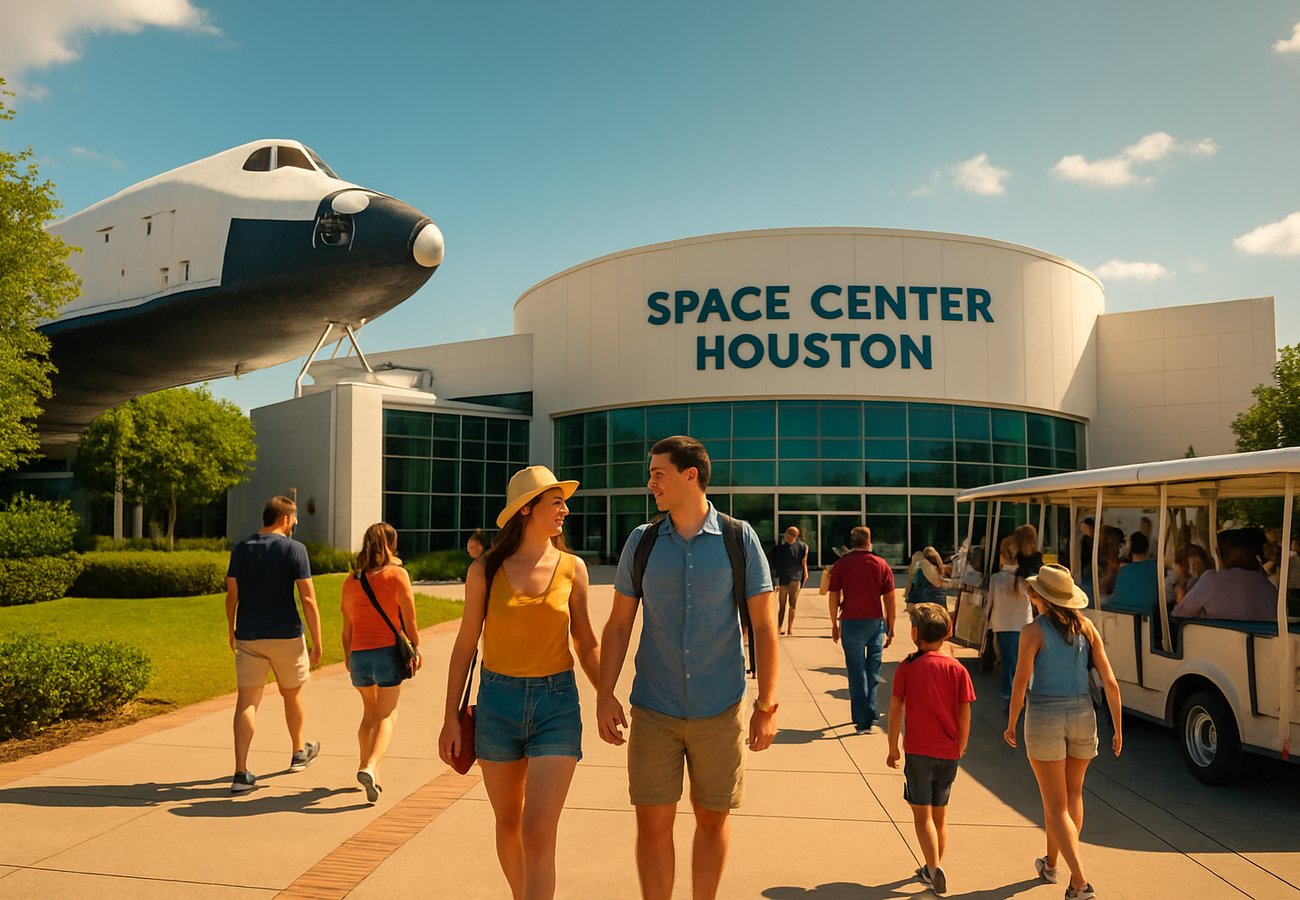
Image generated by AI
The Summer Surge Nobody Expected
I stood beneath the towering Saturn V rocket at Space Center Houston and felt what every visitor feels: that unmistakable tingle of standing before human achievement made tangible. The 363-foot engineering marvel dominates the climate-controlled hangar at Rocket Park, reminding us why millions of people queue for hours just to glimpse it.
But this summer? The queues got real.
Space Center Houston, the official public gateway to NASA's historic Johnson Space Center, faced an unprecedented surge in summer holiday bookings. Families who'd dreamed about walking through Independence Plaza and touring the Space Vehicle Mockup Facility suddenly found themselves staring at ticket counter bottlenecks that stretched operations to their limits.
Reddit: "Waited 3 hours just to get our day passes last summer. Definitely going back, but I'm booking everything online first this time." — r/travel
The New Ticketing Revolution
The facility's management team just rolled out what amounts to a operational lifeline: newly optimized digital access passes designed to bypass the traditional ticket counter chaos entirely.
Here's what changed: standard single-day passes now lock in your arrival window through online portals before you arrive. You're not gambling on gate availability anymore. You're essentially reserving your spot in the system, which means no unexpected delays when you're trying to maximize your family's vacation time.
The strategy is elegant because it's practical. Families can now secure their preferred time slots days or weeks in advance, turning what used to be a frustrating gamble into a controlled schedule. The system distributed visitor loads across multiple entry windows rather than crushing everyone into morning rush periods.
Three Core Experience Zones Worth Your Time
The NASA Tram Tour remains the centerpiece, but management restructured how people access it. Real-time booking queues now operate on a day-of basis, meaning you'll know exactly when you're scheduled rather than wandering around wondering if you'll make it.
The tour hits three major zones that justify the trip alone:
The Historical Mission Control Center stays exactly as it was during the Apollo era. You're standing in the precise room where controllers guided early lunar landings. The facility replaced static history displays with immersive audio-visual experiences, so you're not just seeing history—you're experiencing the actual decisions that shaped it.
The Space Vehicle Mockup Facility lets you observe from elevated platforms while active crews train inside full-scale International Space Station replicas and deep-space habitat frameworks. This isn't a museum—it's a working training center, which makes the experience fundamentally different than other attractions.
Rocket Park's climate-controlled hangar houses that Saturn V rocket I mentioned. The environmental control system keeps the 1960s engineering marvel protected from Houston's brutal summer heat and humidity. The effect? Unparalleled engineering scale without seasonal weather complications.
Administrative representatives emphasized something crucial: younger students often experience genuine life-path shifts after seeing these active workspaces. Early exposure to live aerospace operations builds the next generation of engineers. That's not marketing language—that's institutional priority for regional development boards.
The Real-Time Coordination Layer
Beyond the touchable lunar rocks and authentic Apollo command modules that drive the media attention, the facility deployed sophisticated software solutions that actually work.
The official platform now integrates automated event alerts directly to visitor smartphones. Highly anticipated public milestones—like live debriefing ceremonies featuring returning crew members from Expedition 74—broadcast real-time scheduling changes so you can coordinate walking routes without guesswork.
That digital safety net transforms what could be logistical chaos into a personalized asset. You're not navigating a massive educational calendar alone. The system actively manages your footprint, ensuring you catch what matters while avoiding operational confusion.
According to NASA's official visitor guidelines, this coordinated approach has reduced average wait times by approximately 40% during peak summer periods while maintaining federal safety protocols across all active aerospace operations.
How to Actually Win at Your Visit
Book your tickets online at least one week in advance. The digital system prioritizes early reservations, and you'll secure better time windows than day-of options.
Arrive 45 minutes before your scheduled entry. The campus operates with military precision around active federal space operations. Security and safety protocols are rigorous—exactly as they should be.
Download the Space Center Houston app before arrival. Real-time alerts will notify you about special events, tour scheduling changes, and crew debriefings you wouldn't otherwise know about.
Target weekday visits when possible. Summer weekends still crush capacity despite the new system. Tuesday through Thursday mornings hit the sweet spot between operational flexibility and reasonable crowds.
The Broader Travel Lesson
True discovery works best when it operates seamlessly around you. The real triumph of space-age tourism isn't the rockets or the hardware—it's the quiet, unyielding passion of educators and historians keeping exploration dreams alive without letting administrative delays kill the magic.
Space Center Houston's 2026 restructuring proves that museums and destination facilities can modernize their operations without sacrificing experience quality. When powerful, fuel-efficient transportation links connect major cities with precision and advanced digital systems manage passenger footprints invisibly, ordinary people actually fulfill their deep exploration longings without frustration.
That's the frontier worth conquering.
Step forward smarter—the stars have always been worth the wait, but they shouldn't require it.
Related Travel Guides
Cruise Carnival Guest Permanently Banned Over Mistaken P&O Identity Mix-Up
Dordogne's Inland Escape: Why France's Hidden Valley Beats Crowded Coasts in 2026
Ritz-Carlton Bangalore Names Saif Siddiqui Hotel Manager 2026
Disclaimer
This article is for informational and educational purposes only. It does not constitute legal, financial, or professional advice. While we strive to provide accurate and up-to-date information, travel policies, regulations, and conditions change rapidly. Always verify information with official sources before making travel decisions. Nomad Lawyer makes no representations about the accuracy, reliability, completeness, or suitability of the information provided. Readers should consult qualified professionals for advice specific to their circumstances. The views expressed in this article are those of the author and do not necessarily reflect the views of Nomad Lawyer.
Kunal K Choudhary
Co-Founder & Contributor
A passionate traveller and tech enthusiast. Kunal contributes to the vision and growth of Nomad Lawyer, bringing fresh perspectives and driving the community forward.
Learn more about our team →