
Southwest Airlines Flight WN2267 Boeing 737 MAX 8 Diverts to Dallas Love Field July 30 2026
Southwest Airlines Flight WN2267, a Boeing 737 MAX 8, diverted from Las Vegas to Kansas City, landing safely at Dallas Love Field on July 30, 2026.

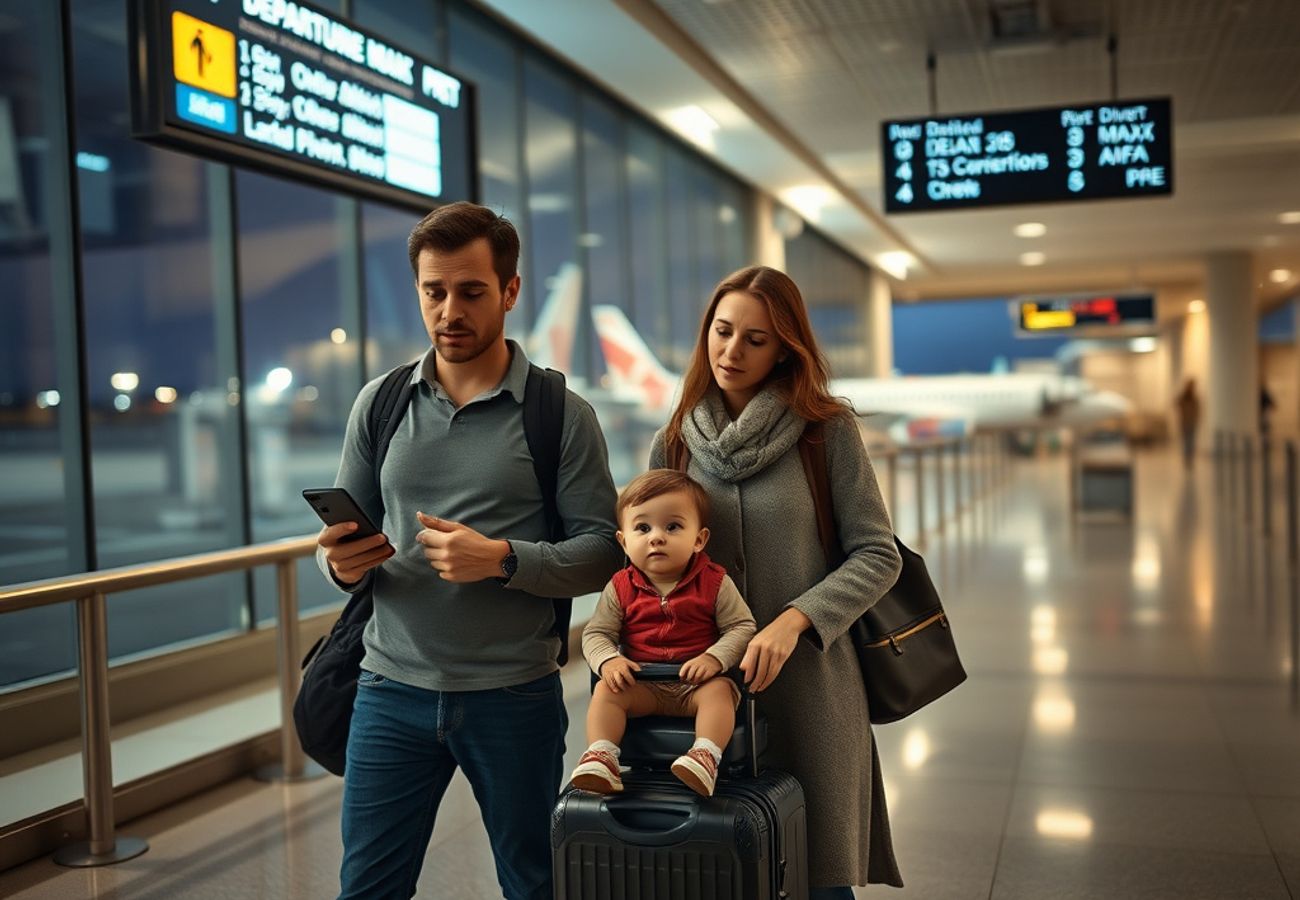
Image generated by AI
Southwest Airlines Flight WN2267, a Boeing 737 MAX 8 registered N8951S, departed Harry Reid International Airport at 22:32 on July 30, 2026, destined for Kansas City International Airport. Instead of arriving at 01:45, the aircraft safely diverted to Dallas Love Field, leaving passengers unexpectedly grounded in Texas.
On July 30, 2026, a scheduled domestic service transformed into an exercise in aviation safety when Southwest Airlines Flight WN2267 altered its course. The Boeing 737 MAX 8, carrying passengers from Las Vegas to Kansas City, pushed back from the gate at Harry Reid International Airport at 20:55 and took to the skies at 22:32. The flight path was set for Kansas City International Airport, with a scheduled arrival time of 01:45. Instead, the aircraft touched down safely at Dallas Love Field, interrupting the travel plans of everyone on board.
The Local Trend Revealed: Operational Diversions and Safety Protocols
Flight diversions remain a standard, albeit disruptive, component of commercial aviation safety protocols. When an aircraft like the Boeing 737 MAX 8 registered N8951S changes course mid-flight, it highlights the rapid decision-making capabilities of pilots, dispatch teams, and air traffic control. At the time of publication, Southwest Airlines has not issued an official statement explaining the specific reason for the diversion of Flight WN2267. No aviation authority has released findings regarding the operational decision.
Commercial aircraft occasionally divert for a wide range of operational and safety-related reasons. These include changing weather conditions, technical inspections, medical emergencies, airport congestion, air traffic control requirements, or precautionary operational decisions. Without official confirmation from the airline or the National Transportation Safety Board (NTSB), weather, technical concerns, medical events, and air traffic restrictions remain possible reasons, but none have been verified. What is confirmed is the aircraft's registration, the aircraft type, the scheduled route, the published departure timing, and the unexpected landing at Dallas Love Field.
For the visitor, the real impact is logistical. When a flight diverts, airline operations teams immediately begin coordinating with airport authorities, dispatch centers, maintenance personnel, and customer service representatives. Depending on the circumstances, travelers may remain on board while inspections are completed, continue their journey on the same aircraft after operational clearance, or be transferred to another aircraft or alternative transport arranged by the airline.
Cultural and Environmental Value: The Dallas Love Field Impact
When a Boeing 737 MAX 8 carrying over a hundred passengers lands unexpectedly at an alternative airport, the local infrastructure must respond instantly. Dallas Love Field, managed by the Dallas Department of Aviation and operating under strict Federal Aviation Administration (FAA) guidelines, serves as a critical node in the national aviation network. The sudden arrival of an unscheduled aircraft requires immediate coordination between local ground crews, terminal operations, and security personnel.
This sudden demand can strain resources but also presents an opportunity for direct support of the local economy. Passengers facing unexpected layovers often purchase meals, book last-minute accommodations, or utilize local transit services. For the eco-conscious traveler, an unplanned stop in Dallas offers a chance to minimize environmental impact by choosing sustainable options. Instead of relying on single-use plastics at the airport, travelers can use airport water refill stations. If the delay extends overnight, utilizing the Dallas Area Rapid Transit (DART) system reduces the carbon footprint compared to individual ride-share services or rental cars. Supporting local airport vendors, particularly those sourcing ingredients locally or utilizing compostable packaging, ensures that the economic impact of the diversion stays within the community and promotes sustainable business practices.
The aviation industry's long-established safety-first culture dictates that flight crews and operational control centers can alter a flight’s destination whenever they determine that another airport represents the safest operational option. This commitment to regulatory compliance ensures passenger safety, even when it disrupts schedules and requires rapid mobilization of local airport communities.
Visitor Insider Tips: Navigating an Unexpected Dallas Landing
If you find yourself on a diverted flight landing at Dallas Love Field, a few local insights can ease the disruption:
- Off-Peak Airport Navigation: Dallas Love Field can become highly congested during early morning and late afternoon rush hours. If your diversion happens overnight, as was the case with WN2267 which was scheduled to arrive at 01:45, expect limited open concessions. Seek out the 24-hour vending areas or ask gate agents for the nearest open coffee spot.
- Local Dining Specialties: If the delay allows you to leave the secure area, Dallas is famous for its barbecue. While the airport has decent options, venturing out to nearby Deep Ellum or the Bishop Arts District yields authentic local flavors. Look for spots serving brisket and local sides.
- Eco-Friendly Transit: The DART Love Field Station connects directly to the airport via a short shuttle ride. Using public transit to explore the city during a long delay supports local infrastructure and reduces emissions.
- Cultural Etiquette: Gate agents and local airport staff in Dallas are known for Southern hospitality, but an unexpected diversion stresses the entire system. Approaching staff with patience and understanding yields better service and faster rebooking assistance.
- Hidden Under-The-Radar Spots: If you have a few hours and want to escape the terminal, the Frontiers of Flight Museum is located just a short distance from the airport. It offers a quiet, educational environment to pass the time away from the crowded gate areas.
Tourism Outlook: The Future of Airline Network Stability
The diversion of Flight WN2267 serves as a reminder of the complex logistics underpinning commercial air travel. Modern aircraft continuously transmit operational information to airline control centers, while pilots remain in regular contact with air traffic controllers and dispatch teams throughout the journey. This constant communication enables informed decisions whenever circumstances require an alternative landing.
Most diversions do not automatically indicate a serious emergency or major aircraft problem. Airlines often choose the most suitable airport based on operational efficiency, maintenance support, weather conditions, and passenger assistance capabilities. The decision to divert demonstrates the aviation industry’s commitment to safety rather than indicating the severity of any particular event.
Looking forward, the resilience of regional airports like Dallas Love Field will remain vital to national network stability. As airlines continue to optimize their fleets with aircraft like the Boeing 737 MAX 8, the ability to reroute and accommodate passengers safely will define the passenger experience. Travelers are encouraged to rely on official airline communications rather than speculation because verified information is normally released only after airline operational teams complete their assessments and determine the appropriate recovery plan.
Until Southwest Airlines or aviation authorities release an official explanation for the July 30 diversion, the focus remains on passenger recovery and network restoration. The event underscores the importance of local airport readiness and the seamless integration of local economies into the broader aviation safety framework.
Navigating an unexpected flight diversion requires patience, but it also opens a brief window into the local culture and infrastructure of the alternative destination.
Related Travel Guides
Disclaimer
This article is for informational and educational purposes only. It does not constitute legal, financial, or professional advice. While we strive to provide accurate and up-to-date information, travel policies, regulations, and conditions change rapidly. Always verify information with official sources before making travel decisions. Nomad Lawyer makes no representations about the accuracy, reliability, completeness, or suitability of the information provided. Readers should consult qualified professionals for advice specific to their circumstances. The views expressed in this article are those of the author and do not necessarily reflect the views of Nomad Lawyer.
Preeti Gunjan
Contributor & Community Manager
A passionate traveller and community builder. Preeti helps grow the Nomad Lawyer community, fostering engagement and bringing the reader experience to life.
Learn more about our team →