
Southwest Airlines Passenger Removed After Viral Gate-Check Bag Tantrum in 2026
A viral confrontation over Southwest Airlines' gate-check bag rules highlights growing passenger frustration following the 2026 shift to assigned seating.

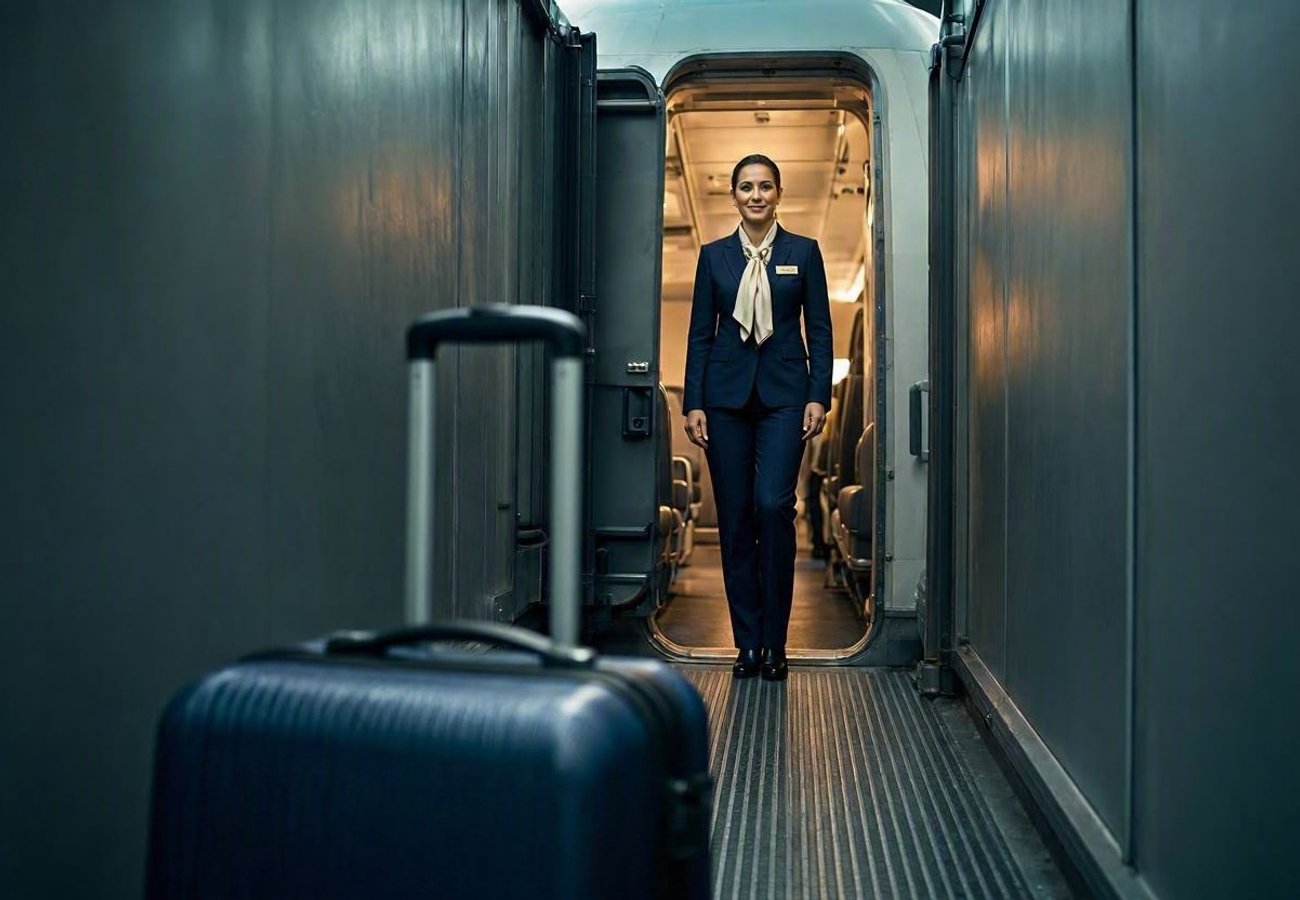
Image generated by AI
A single dispute over a carry-on bag recently escalated into a viral standoff, ending with a passenger being forcibly removed from a Southwest Airlines flight after accusing a flight attendant of assault and battery. The incident, captured on video, underscores a simmering tension between travelers and airline staff as carriers implement more rigid boarding algorithms and pricing tiers.
The Friction of the Modern Boarding Gate
The confrontation began during the boarding process when a passenger was informed that her luggage needed to be gate-checked. While the flight attendant remained composed, the passenger's reaction shifted rapidly from disagreement to a full-scale tantrum. The viral footage shows the woman screaming at the crew member and refusing to exit the aircraft, even as the attendant calmly requested she leave to avoid inconveniencing other travelers.
The standoff only ended when the crew member informed the passenger that law enforcement would be called to escort her off the plane. Those on board reportedly applauded as she was finally removed. This event is not an isolated case of "air rage" but rather a symptom of a larger conflict regarding how airlines manage cabin space.
What Makes Southwest's Current Conflict Unique
For over five decades, Southwest was the outlier in the industry, famous for its open-seating policy. However, in January 2026, the airline officially ended this 54-year tradition, moving to an assigned seating model. This shift has fundamentally changed the psychology of the boarding process.
The current controversy centers on the "forced" gate-check. Passengers are frequently required to check their carry-ons—free of charge—only to board the plane and discover that the overhead bins are largely empty. This discrepancy is driven by a proprietary algorithm that calculates needs based on aircraft size, passenger counts, and historical data. While the Federal Aviation Administration (FAA) emphasizes safety and on-time departures, passengers feel the system is a deceptive tool used to streamline boarding at the expense of convenience.
The frustration is compounded by a new pricing structure. To avoid the risk of being in the final boarding groups—where gate-checks are most common—passengers must now pay for higher-tier fares.
| Fare Tier | Avg. Added Price (One-Way) | Seat Selection | Boarding Group |
|---|---|---|---|
| Basic | Baseline fare | Randomly assigned 24h before or at gate | 8 (Last) |
| Choice | +$30 to +$45 | Standard seat at back of cabin | 3 to 7 |
| Choice Preferred | +$70 to +$100 | Preferred seat near front or any standard | 3 and 4 |
| Choice Extra | +$130 to +$180+ | Extra legroom (first 5 rows or exit) | 1 and 2 |
Visitor Insider Tips
Navigating the new Southwest ecosystem requires a different strategy than the old "check-in at exactly 24 hours" rush.
- The "Bin Strategy": If you are in boarding groups 5 through 8, assume your bag will be gate-checked. Pack a "survival kit" (medications, chargers, essential documents) in a small personal item that fits under the seat to avoid stress during the boarding process.
- Budgeting for Seats: For parents traveling with children, the Basic fare is now a gamble. To ensure you are seated together without stress, budgeting for the Choice Preferred tier is the only guaranteed method under the 2026 rules.
- Etiquette at the Gate: Flight attendants are strictly following an algorithm provided by the Southwest Airlines operations center. Arguing at the jet bridge rarely results in a change of decision and frequently leads to being flagged for disruptive behavior.
- Transport Hack: If you are flying into a major hub, check if your destination has a regional shuttle. Avoiding the stress of the main terminal boarding can make the experience more manageable.
Cultural and Environmental Context
The transition to assigned seating reflects a broader industry trend toward "unbundling" services. By charging for specific seats and boarding priorities, airlines can maximize revenue per seat. However, this creates a cultural divide in the cabin between those who can afford "Choice Extra" and those relegated to the back of the plane in Group 8.
The incident involving a Southwest Airlines passenger who was removed from a flight after a viral gate-check bag tantrum in 2026 has sparked discussions about airline policies and passenger behavior. According to the Transportation Security Administration, passengers are allowed to bring a certain size and number of bags as carry-ons, but gate-checking is sometimes required for larger items. This incident highlights the importance of adhering to airline rules and regulations to ensure a smooth travel experience.
From an operational standpoint, gate-checking bags is an environmental and efficiency necessity. Overloaded bins lead to boarding delays, which increase fuel burn while planes idle on the tarmac. However, the lack of transparency regarding why a bag is checked—especially when bins appear empty—erodes trust between the passenger and the crew. This tension is further exacerbated by the rise of social media, where a single interaction can be framed as "entitlement" or "corporate greed," fueling further volatility at the gate.
FAQ: Visiting the Skies in 2026
How do I avoid having my bag gate-checked on Southwest? The most reliable way is to purchase a Choice Preferred or Choice Extra fare, which places you in boarding groups 1 through 4. These groups almost always have priority access to overhead bin space.
Is it still possible to sit with my family on a Basic fare? It is difficult. Basic fares are assigned randomly. To guarantee seats together, you should upgrade to at least the Choice tier or manage your seats via the app 24 hours before departure.
What happens if I refuse to follow a gate-check request? As seen in recent viral incidents, refusing a crew member's instruction can be classified as disruptive behavior. This can lead to removal from the flight by airport security and potential placement on a "no-fly" list.
Are other airlines doing the same thing? Yes. Major carriers like Delta and United use similar historical data and aircraft-specific formulas to manage cabin capacity and ensure safety protocols are met.
The era of the "free-for-all" boarding is over; the new sky is all about the algorithm.
Related Travel Guides
Disclaimer
This article is for informational and educational purposes only. It does not constitute legal, financial, or professional advice. While we strive to provide accurate and up-to-date information, travel policies, regulations, and conditions change rapidly. Always verify information with official sources before making travel decisions. Nomad Lawyer makes no representations about the accuracy, reliability, completeness, or suitability of the information provided. Readers should consult qualified professionals for advice specific to their circumstances. The views expressed in this article are those of the author and do not necessarily reflect the views of Nomad Lawyer.
Preeti Gunjan
Contributor & Community Manager
A passionate traveller and community builder. Preeti helps grow the Nomad Lawyer community, fostering engagement and bringing the reader experience to life.
Learn more about our team →