
South Korea Aviation Safety Alert: F-15K Collision Audit Exposes Fatal Pilot Distractions
A landmark government audit in South Korea has revealed that a 2021 mid-air collision between two F-15K fighter jets was caused by pilots taking photos, leading to an official apology and a total ban on personal devices in cockpits.

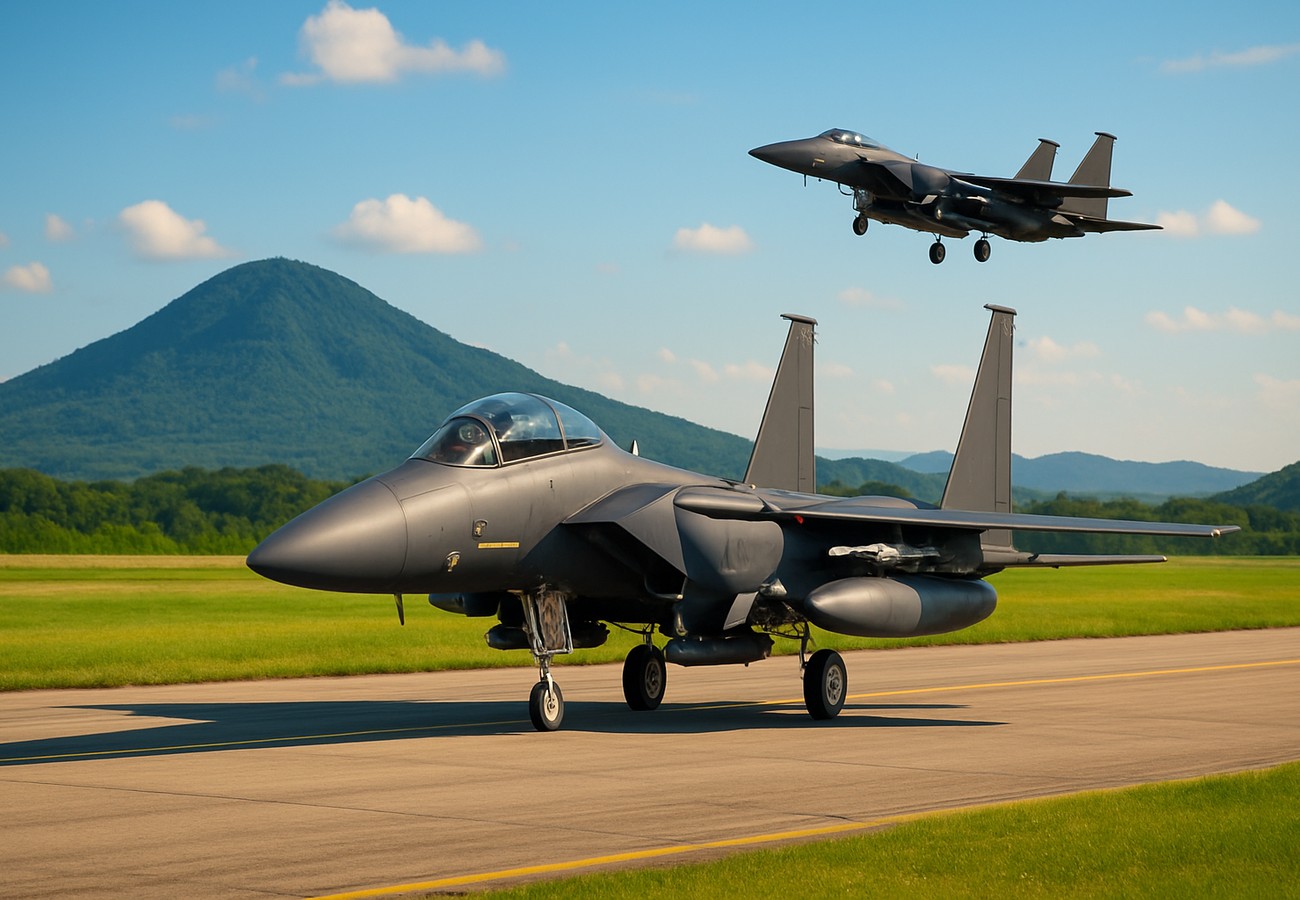
Image generated by AI
Quick Summary
- South Korea’s Air Force has issued a formal public apology following a government audit which concluded that a 2021 mid-air collision between two F-15K fighter jets was caused by pilots distracted by personal photography and video recording.
- The Board of Audit and Inspection (BAI) report, released in April 2026, found that a pilot attempted an uncoordinated "abrupt climb" to capture commemorative images of his final mission, clipping the wing of the lead aircraft.
- The incident resulted in approximately 880 million won (US$600,000) in structural damage to the state-of-the-art aircraft, though both pilots successfully performed emergency landings.
- Military authorities have now instituted a strict ban on personal cameras and recording devices in cockpits, signaling a major overhaul of flight safety culture and pilot discipline in South Korea.
The revelation of the 2021 Daegu collision underscores a critical vulnerability in modern aviation: the human factor of distraction. While the incident occurred within a military formation, the audit's findings have sent shockwaves through the global aviation community, prompting commercial and military regulators to reconsider cockpit protocols. As "selfie culture" and social media presence increasingly bleed into professional environments, South Korea's move to legally restrict non-operational activities sets a new international benchmark for flight safety.
South Korea F-15K Collision: Audit Facts & Findings
The following table summarizes the key details from the 2026 BAI report regarding the mid-air incident near Daegu.
| Category | Detail / Finding | Impact |
|---|---|---|
| Primary Cause | Pilot Distraction (Photography/Video) | Mid-air structural collision. |
| Aircraft Involved | 2 x F-15K Slam Eagle | Significant wing & stabilizer damage. |
| Repair Cost | ~880 Million Won (US$600,000) | Partially adjudicated to pilot. |
| Mission Phase | Return leg of formation flight | Evasive action taken too late. |
| Audit Date | April 2026 (Report Finalized) | Led to formal Air Force apology. |
| Disciplinary Action | Suspension & Military Discharge | Stricter 2026 oversight instituted. |
How a 'Photo Moment' Triggered a Disaster
According to the BAI audit, the collision was the direct result of "commemorative photography" practices that were previously unregulated.
- Unauthorized Manoeuvres: The wingman pilot performed an uncoordinated climb and banking movement to gain a "better camera angle" for a photo of his final mission.
- Mutual Distraction: The pilot in the lead aircraft simultaneously asked a crew member to record video of the wingman, reducing the overall situational awareness of the entire formation.
- Physical Impact: The wingman’s tail stabilizer clipped the lead aircraft’s left wing. Despite the impact at high speed, both pilots maintained control of their damaged jets to land safely.
2026 Regulatory Overhaul: New Cockpit Rules
In response to the audit's findings, South Korea has implemented immediate changes to its aviation safety framework:
- Total Device Ban: Personal photography, recording devices, and non-operational smartphones are strictly prohibited during all phases of flight.
- Enhanced Discipline: Formation flight policies have been revised to include mandatory "sterile cockpit" periods where no non-mission communication or activity is allowed.
- Liability Adjustments: While the pilot was initially billed for the full US$600,000 repair, the liability was reduced to 10% after it was found that the Air Force lacked clear pre-existing regulations on in-flight photography.
Global Implications for Aviation Safety
Aviation safety analysts emphasize that the lessons from South Korea are applicable to commercial flight operations worldwide.
- Sterile Cockpit Rule: The incident serves as a stark reminder of why the "Sterile Cockpit Rule" (prohibiting non-essential activities below 10,000 feet) is vital for passenger safety.
- Digital Distractions: Regulators are increasingly monitoring "digital clutter" in cockpits, where tablets and personal devices can interfere with primary flight focus.
- Safety Culture: The South Korean government's transparency in releasing the audit findings is being praised by international safety boards as a necessary step in evolving aviation safety culture.
FAQ: Pilot Distraction and Flight Safety
Does this mean commercial pilots can't take photos? Most commercial airlines have strict policies regarding the use of personal devices during critical phases of flight. The South Korean military case is prompting a wider review of these policies to ensure "unregulated" habits don't develop.
How often do pilot distractions cause accidents? Human error, including distraction and loss of situational awareness, is a factor in approximately 70-80% of aviation incidents. Cases involving "intentional distraction" for non-mission purposes are rare but high-risk.
Was the South Korean pilot jailed? No. The pilot received disciplinary action and was discharged from active service, with a reduced financial penalty for the aircraft repairs.
Related Travel Alerts
Disclaimer
This article is for informational and educational purposes only. It does not constitute legal, financial, or professional advice. While we strive to provide accurate and up-to-date information, travel policies, regulations, and conditions change rapidly. Always verify information with official sources before making travel decisions. Nomad Lawyer makes no representations about the accuracy, reliability, completeness, or suitability of the information provided. Readers should consult qualified professionals for advice specific to their circumstances. The views expressed in this article are those of the author and do not necessarily reflect the views of Nomad Lawyer.
Kunal K Choudhary
Co-Founder & Contributor
A passionate traveller and tech enthusiast. Kunal contributes to the vision and growth of Nomad Lawyer, bringing fresh perspectives and driving the community forward.
Learn more about our team →