South Africa Outshines Other Nations to Become the World’s Top Wildlife Destination

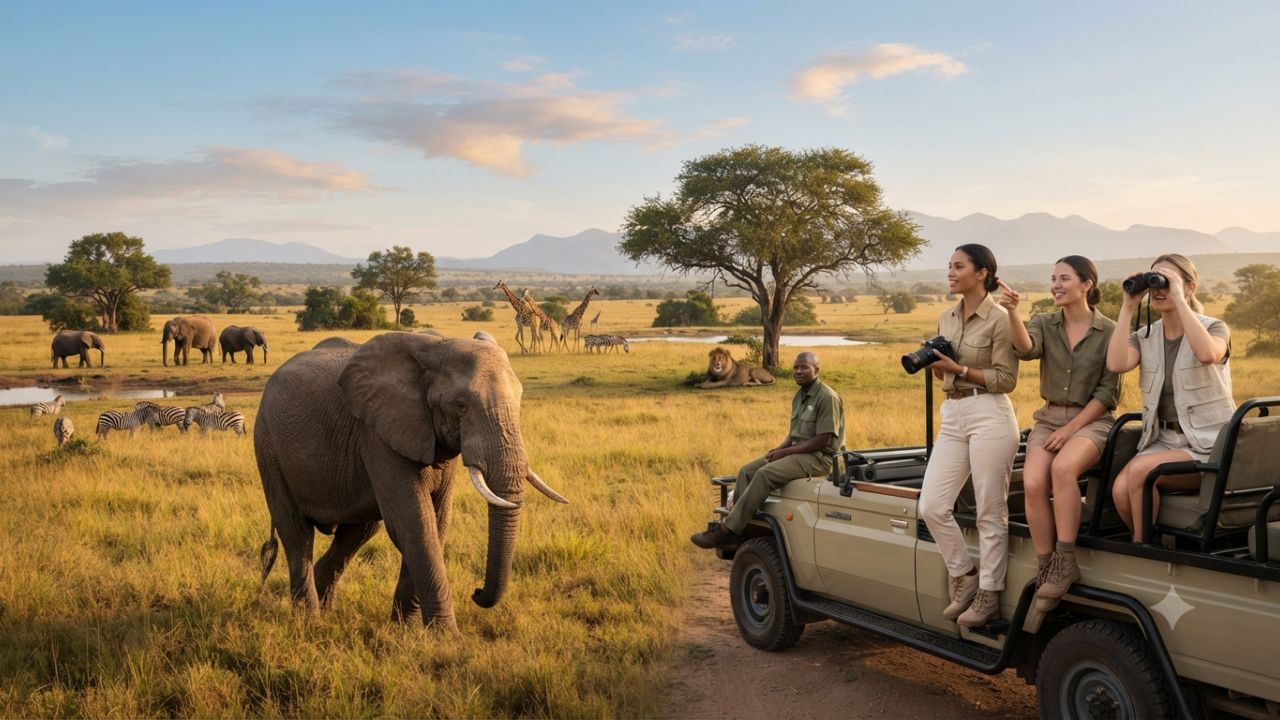
South Africa has earned the global crown as the world's leading wildlife destination at the 25th annual Wanderlust Reader Travel Awards, outperforming rival global biodiversity powerhouses Brazil and Australia in an international poll that drew over 8.2 million votes from passionate global travelers.
The definitive international accolade arrives at a historic moment for African conservation. The year 2026 marks the official centenary of Kruger National Park—one hundred years of formal statutory protection that transformed early game reserves into one of Earth's greatest conservation sanctuaries. The recognition reflects not only South Africa's celebrated Big Five density, but also its geographical variety across nine distinct biomes, spanning the red dunes of the Kalahari, the subtropical marine reserves of iSimangaliso Wetland Park, the malaria-free valleys of the Eastern Cape, and the wild coastline of the Western Cape. Supported by newly introduced regional flight connections linking coastal cities directly to safari airstrips, South Africa has set the gold benchmark for accessible, diverse, and conservation-led nature tourism.
WANDERLUST READER TRAVEL AWARDS 2026: WILDLIFE BENCHMARK
| Performance Metric | Certified Data & Global Recognition |
|---|---|
| Global Title Awarded | World Winner: Best Wildlife Destination 2026 |
| Awarding Body | 25th Wanderlust Reader Travel Awards |
| **Total Global Voting Participation | 251,461 verified international readers |
| Cumulative Ballots Cast | Over 8.2 million votes across categories |
| Runner-Up Destinations | Brazil (Silver / #2), Australia (Bronze / #3) |
| Historic Conservation Milestone | Centenary of Kruger National Park (1926–2026) |
| Total Land Area Protected | Over 4 million hectares in national parks |
| Flagship Wildlife Attractions | Kruger, Kgalagadi, iSimangaliso, Addo |
| Aviation Connectivity Boost | Direct Airlink link: Gqeberha to Mbombela |
| Annual International Inbound | Approaching 9.5 million foreign arrivals |
The 25th Wanderlust Awards: Anatomy of a Global Triumph
The Wanderlust Reader Travel Awards represent one of the travel industry's most respected barometers of genuine consumer sentiment. Celebrating its quarter-century edition in 2026, the awards platform saw 251,461 verified readers cast more than 8.2 million individual votes across dozens of travel, airline, and destination categories. The wildlife destination category generated exceptional engagement, reflecting a sustained shift among post-pandemic international tourists toward authentic, outdoor, and conservation-focused journeys.
South Africa secured the gold award by demonstrating unmatched breadth in its wilderness portfolio. While traditional safari destinations often specialize in single ecosystems—such as savannah plains or dense equatorial rainforests—South Africa allows international travelers to navigate distinct ecosystems within a single holiday. A visitor can spend sunrise tracking lions in the thornveld of the Greater Kruger, take an afternoon flight to walk beside coastal penguins on the Cape Peninsula, and track black-maned lions across the Kalahari red sands three days later.
WANDERLUST AWARDS 2026: TOP 10 WORLD WILDLIFE DESTINATIONS
| Entity / Facility | Delays | Cancellations | Details |
|---|---|---|---|
| Rank | Country | Primary Ecosystems | Signature Wildlife Encounters |
| 1 | South Africa | Savannah, Desert, Coast | Big Five, Marine Big Five |
| 2 | Brazil | Pantanal, Amazon Basin | Jaguars, Caimans, Macaws |
| 3 | Australia | Tropical Reef, Bushland | Kangaroos, Koalas, Wombats |
| 4 | Kenya | Savannah, Great Rift Valley | Great Wildebeest Migration |
| 5 | Rwanda | Montane Cloud Forest | Mountain Gorilla Trekking |
| 6 | Colombia | Andean Slopes, Chocó | World's Richest Birdlife |
| 7 | Costa Rica | Tropical Rainforest, Cloud | Sloths, Toucans, Tapirs |
| 8 | Tanzania | Plains, Caldera, Highlands | Serengeti Migration, Predators |
| 9 | Canada | Taiga, Tundra, Rocky Coast | Polar Bears, Grizzly, Whales |
| 10 | Indonesia | Island Jungles, Coral Reefs | Komodo Dragons, Orangutans |
Why South Africa Outpaced Brazil and Australia
The race for the global title pitted three continents against one another in an exceptional showcase of biodiversity:
- Brazil (2nd Place): Captured the silver award on the strength of the Pantanal—the planet's largest tropical wetland—where jaguar viewing along the Cuiabá River basin has reached peak popularity, alongside immersive Amazonian river expeditions. However, remote logistics, seasonal flood variations, and limited luxury infrastructure outside core lodges kept Brazil just behind the top spot.
- Australia (3rd Place): Took the bronze podium through its distinct evolutionary isolation, offering travelers encounters with endemic marsupials, marine megafauna along the Great Barrier Reef and Ningaloo, and ancient wilderness in Kakadu. Yet, the vast geographic distances between distinct wildlife habitats create itinerary complexities for short-stay international tourists.
- South Africa's Decisive Advantage: Combines superior wildlife density with Africa's most advanced tourism logistics. The presence of world-class road networks, self-drive national parks, malaria-free private game reserves, and a spectrum of accommodation ranging from $35-a-night SANParks self-catering chalets to $3,500-a-night private villa concessions gives South Africa universal appeal across all demographics and budgets.
THE GLOBAL WILDLIFE PODIUM: COMPARATIVE ADVANTAGES
| Sanctuary Metric | Operational Reality & Scientific Benchmark |
|---|---|
| Statutory Inception Date | 31 May 1926 (National Parks Act No. 56) |
| Total Protected Surface Area | 19,485 square kilometers (1.95 million ha) |
| Mammal Species Diversity | 147 distinct species (Highest in Africa) |
| Avian Species Inventory | 517 recorded bird species |
| Reptile & Amphibian Species | 114 reptiles, 34 amphibians |
| Indigenous Flora Diversity | 336 recorded tree species |
| Greater Limpopo Transfrontier | Interlinked with Mozambique (Limpopo NP) |
| and Zimbabwe (Gonarezhou NP) | |
| Annual Visitor Footfall | Over 1.8 million domestic & foreign guests |
| Public Rest Camps | 12 Main Camps, 4 Satellite Camps, 5 Bushveld |
The Transfrontier Revolution and Private Reserve Ecosystem
Kruger's modern ecological health is amplified by the removal of internal fences along its western boundary, creating the Associated Private Nature Reserves (APNR). This expansive collective includes world-renowned conservation concessions:
- Sabi Sand Wildtuin: Celebrated for extraordinary, habituated leopard viewing and pioneering private game ranger training standards.
- Timbavati Private Nature Reserve: Famed for its wild white lion genetic lineage and vast wilderness buffers.
- Manyeleti, Balule, Thornybush, and Klaserie: Private reserves offering unfenced connectivity with the national park, enabling wildlife to migrate naturally along ancient seasonal watercourses.
On an international scale, the park forms the core of the Great Limpopo Transfrontier Park, a transboundary peace park that links South Africa's Kruger with Mozambique's Limpopo National Park and Zimbabwe's Gonarezhou National Park. This cross-border initiative allows elephants, wild dogs, and migratory ungulates to reclaim historical migration routes across 35,000 square kilometers of protected wilderness.
THE GREATER KRUGER CONSERVATION ARCHITECTURE
| Entity / Route | Metrics | Operational Status |
|---|---|---|
| Region & Reserve | Distinct Biome & Terrain | Target Wildlife |
| Kgalagadi Transfrontier Park | Arid Kalahari Savanna & | Black-maned Lion, |
| (Northern Cape) | Red Sand Dunes | Cheetah, Meerkat |
| iSimangaliso Wetland Park | Subtropical Coastal Dune | Hippopotamus, Nile |
| (KwaZulu-Natal) | Forest & Estuarine Lakes | Croc, Sea Turtles |
| Addo Elephant National Park | Albany Thicket & Coastal | Over 600 Elephants |
| (Eastern Cape) | Marine Islands | Cape Buffalo, Whales |
| Hermanus & Gansbaai | Marine Kelp Forest & Cold | Southern Right |
| (Western Cape) | Benguela Current Waters | Whale, Great White |
| Madikwe Game Reserve | Transitional Bushveld & | African Wild Dog, |
| (North West Province) | Kalahari Encroachment | Black & White Rhino |
1. Kgalagadi Transfrontier Park: The Arid Red Desert
Spanning the border between South Africa and Botswana in the Northern Cape, the Kgalagadi represents an untamed desert wilderness. In this semi-arid ecosystem defined by sweeping red dunes and dry riverbeds of the Nossob and Auob rivers, wildlife has evolved remarkable desert adaptations:
- Kalahari Lions: Notable for their dark, black-maned appearance, large body mass, and endurance in high-heat conditions.
- Cheetah Density: The open fossil river valleys offer prime hunting terrain for cheetahs, making it one of Africa's premier destinations for observing high-speed predatory pursuits.
- Raptor Capital: Home to dense concentrations of birds of prey, including the Bateleur eagle, martial eagle, and pygmy falcon.
2. iSimangaliso Wetland Park: Subtropical Marine and Estuarine Wonders
Inscribed as South Africa's first UNESCO World Heritage Site in 1999, iSimangaliso in KwaZulu-Natal spans 332,000 hectares across eight interlinked ecosystems. The park combines freshwater lakes, coastal dune forests, and coral reefs:
- Lake St. Lucia: The largest estuarine system in Africa, supporting more than 800 hippopotamuses and an estimated 1,200 Nile crocodiles.
- Nesting Sea Turtles: Between November and March, loggerhead and giant leatherback sea turtles haul out onto the beaches of Cape Vidal and Sodwana Bay to lay eggs in an ancient nocturnal ritual.
- Scuba & Marine Reserves: Sodwana Bay offers world-class diving amidst southern Africa's southernmost tropical coral reefs.
3. The Eastern Cape: Malaria-Free Conservation Pioneers
For families with young children and travelers seeking to avoid prophylactic medication, the Eastern Cape has emerged as an internationally respected safari center:
- Addo Elephant National Park: Founded in 1931 to protect just 11 surviving elephants, Addo now protects over 600 individuals. Expanding from the Zuurberg mountains down to Algoa Bay, Addo is the world's only national park to host the "Big Seven" (Elephant, Rhino, Lion, Buffalo, Leopard, plus the Great White Shark and Southern Right Whale in its marine protected area).
- Private Sanctuaries: Reserves such as Shamwari, Kwandwe, Kariega, and Amakhala have restored thousands of hectares of degraded agricultural land back to pristine indigenous thicket, reintroducing apex predators and supporting thriving cheetah and white rhino populations.
THE BIG SEVEN CONSERVATION MODEL (EASTERN CAPE)
| Flight Sector | Operational Milestone & Passenger Value |
|---|---|
| Route Pairing | Gqeberha / Port Elizabeth (PLZ) to |
| Mbombela / Nelspruit KMIA (MQP) | |
| Flight Duration | Direct: 1 hour 45 minutes |
| Previous Transit Route | Multi-leg via Johannesburg (5 to 7 hours) |
| Aircraft Deployed | Embraer ERJ-135 / E140 regional jet fleet |
| Itinerary Efficiency Gain | Eliminates hub connection; adds full safari |
| game drive on arrival afternoon | |
| Target Travel Corridors | Links Garden Route & Eastern Cape directly |
| to Southern Kruger and Sabi Sand lodges |
NEW SOUTH AFRICAN TRANSIT CORRIDOR ARCHITECTURE
| Entity / Route | Metrics | Operational Status |
|---|---|---|
| Rank | Country | Signature Wilderness Experience |
| 1 | South Africa | Big Five savannah safaris & Marine Big Five coastal tours |
| 2 | Brazil | Pantanal river safaris for jaguars & Amazon rainforest |
| 3 | Australia | Marsupials across Kangaroo Island & Ningaloo marine life |
| 4 | Kenya | Great Migration crossings across the Mara River |
| 5 | Rwanda | Mountain gorilla trekking in Volcanoes National Park |
| 6 | Colombia | Neotropical birdwatching across Andean cloud forests |
| 7 | Costa Rica | Canopy ecotourism, sloths, and protected rainforests |
| 8 | Tanzania | Vast Serengeti predator concentrations & Ngorongoro |
| 9 | Canada | Churchill polar bear expeditions & Great Bear Rainforest |
| 10 | Indonesia | Komodo dragon tracking & Tanjung Puting orangutan camps |
East African Titans: Kenya (4th) and Tanzania (8th)
Kenya and Tanzania remain the spiritual heartlands of the East African safari:
- Kenya's Maasai Mara and Amboseli: Famous for dramatic river crossings during the Great Migration, where more than 1.5 million wildebeest and zebras brave crocodile-infested waters. Amboseli provides stunning views of free-ranging elephant herds set against the snow-capped peak of Mount Kilimanjaro.
- Tanzania's Serengeti and Ngorongoro: The Serengeti's endless plains offer unmatched predator numbers, while the Ngorongoro Crater forms a self-contained volcanic caldera sheltering nearly 25,000 large mammals, including critically endangered black rhinos.
The Primate Sanctuary: Rwanda (5th)
Rwanda has successfully positioned itself as Africa's premier high-end, low-footprint ecotourism destination:
- Mountain Gorilla Encounters: Volcanoes National Park allows tightly regulated, small-group trekking encounters with habituated gorilla families, with permit fees directly funding local community development and ranger conservation efforts.
- Nyungwe Forest National Park: A protected montane rainforest offering chimpanzee tracking, canopy walks, and rare colobus monkey troops.
Latin American Biodiversity: Colombia (6th) and Costa Rica (7th)
- Colombia: Holding the planet's #1 global ranking for avian biodiversity with more than 1,900 recorded bird species, Colombia attracts international ornithologists to the Sierra Nevada de Santa Marta and the lush coffee regions of the Andes.
- Costa Rica: A global pioneer in green tourism, where more than 28% of national territory is preserved in national parks. Ecotourists encounter three-toed sloths, scarlet macaws, and poison dart frogs in Corcovado and Monteverde.
Northern Wilderness and Island Evolutionary Wonders: Canada (9th) and Indonesia (10th)
- Canada: Provides encounters with Arctic and coastal megafauna. Churchill, Manitoba is known as the polar bear capital of the world, while the Great Bear Rainforest in British Columbia protects the rare white spirit bear alongside orcas and humpback whales.
- Indonesia: Komodo National Park preserves the world's heaviest living lizard, the Komodo dragon, across rugged volcanic islands, while Tanjung Puting National Park in Borneo shelters endangered orangutans.
Practical Guide: Planning an Authentic South African Safari
A memorable South African wildlife journey requires careful alignment of seasonal timing, geographical preferences, health preparations, and reservation lead times.
SOUTH AFRICA SAFARI PLANNING MATRIX
| Category / Entity | Details / Impact |
|---|---|
| Planning Parameter | Strategic Guidance & Expert Recommendations |
| Optimal Game Viewing (Kruger) | May to September (Dry winter season) |
| Optimal Birding & Calving | November to March (Lush summer green season) |
| Whale Watching Season (Cape) | June to November (Peak: August–October) |
| Malaria Precautions | Low risk in winter; prophylactic medication |
| advised for Greater Kruger during summer | |
| **Malaria-Free Safari Alternatives | Eastern Cape (Addo/Shamwari), Madikwe, |
| Waterberg (Marakele/Welgevonden) | |
| Recommended Booking Lead Time | 6 to 11 months for peak private concessions; |
| SANParks opens bookings 11 months in advance | |
| Standard Stay Length | 3 to 4 nights in the bush for balanced sightings |
SEASONAL SAFARI CALENDAR: KRUGER & GREATER KRUGER
| Entity / Route | Metrics | Operational Status |
|---|---|---|
| Season & Months | Bush Conditions & Climate | Wildlife Viewing Characteristics |
| Dry Winter | Thin vegetation, cold | Animals congregate around water |
| (May to September) | mornings, no rainfall | holes; optimal predator tracking |
| Spring Shoulder | Warming days, dry ground, | Excellent game viewing before the |
| (October–November) | occasional early rains | arrival of seasonal cloudbursts |
| Lush Summer | High temperatures, heavy | Migratory birds arrive; baby |
| (Dec to February) | afternoon thunderstorms | impalas born; vibrant landscapes |
| Autumn Shoulder | Mild weather, drying bush, | Pleasant temperatures; good all- |
| (March to April) | rutting season begins | round game and bird encounters |
Self-Drive Exploration vs. Private Guided Concessions
Travelers heading to South Africa can choose between two distinct safari styles:
- The SANParks Self-Drive Experience:
- Exceptional affordability and independence.
- Travelers rent an SUV or sedan, stay in self-catering chalets in camps like Skukuza, Satara, or Lower Sabie, and drive along paved and well-maintained gravel roads at their own pace.
- Ideal for budget-conscious adventurers, photography enthusiasts, and long-stay wildlife watchers.
- The Private Luxury Reserve Experience:
- Exceptional exclusivity, personalized tracking, and comfort.
- Guests stay in private lodges in Sabi Sand, Timbavati, or Phinda, where game drives take place in custom-built, open-sided 4x4 vehicles led by licensed rangers and trackers.
- Vehicles have permission to drive off-road to track elusive leopards and wild dogs, and can conduct after-dark spotlight drives to locate nocturnal predators.
SAFARI EXPERIENCE COMPARISON: SANPARKS VS. PRIVATE CONCESSION
| Entity / Route | Metrics | Operational Status |
|---|---|---|
| Feature | SANParks Public Rest Camps | Private Reserve Concession |
| Nightly Budget Range | $80 to $220 per chalet | $600 to $3,500+ per person |
| Vehicle Type | Enclosed rental car / SUV | Open-sided custom 4x4 |
| Off-Road Tracking Allowed | Strictly prohibited | Permitted for Big Five |
| Night Spotlighting Safaris | Only on official park buses | Daily in open 4x4 vehicles |
| Crowd Density Around Sightings | Higher at roadside stops | Strictly limited (2–3 cars) |
| Catering & Meals | Self-catering / camp diners | Gourmet multi-course dining |
Essential Safari Etiquette and Wildlife Safety Rules
To protect wild animals and ensure guest safety, visitors should adhere to established wildlife protocols:
- Never Alight from the Vehicle: In national parks, stepping outside an enclosed car except at designated fenced picnic sites or viewing hides is illegal and life-threatening.
- Maintain Respectful Viewing Distances: Keep at least 20 to 30 meters between your vehicle and breeding herds of elephants or solitary rhinos. Never block an animal's retreat path.
- No Loud Talking or Radio Use: High-pitched voices stress animals and cause them to retreat into dense thicket. Keep voices to a whisper at sightings.
- Strict Drone Prohibitions: Flying recreational drones inside any South African national park or private game reserve is strictly prohibited by law, carrying severe fines and equipment confiscation.
- Litter and Plastic Ban: Carry out all rubbish and dispose of waste securely at fenced rest camps to prevent baboons and monkeys from scavenging human food.
Frequently Asked Questions About South Africa's Wildlife Tourism
Why was South Africa voted the world’s top wildlife destination in 2026?
South Africa won the gold award at the 25th Wanderlust Reader Travel Awards based on 8.2 million votes from 251,461 international readers. Voters recognized its rich wildlife density, the historic centenary of Kruger National Park, its nine diverse biomes, its high-standard infrastructure, and its ability to offer bush, desert, and marine wildlife within a single holiday.
Which countries made the top five in the Wanderlust 2026 wildlife rankings?
The top five destinations were:
- South Africa (Gold / 1st)
- Brazil (Silver / 2nd)
- Australia (Bronze / 3rd)
- Kenya (4th)
- Rwanda (5th)
What is the historic significance of Kruger National Park in 2026?
The year 2026 marks the centenary of Kruger National Park, which was formally established under the National Parks Act on 31 May 1926. It commemorates 100 years of statutory conservation across nearly two million hectares of protected wilderness.
What are the Big Five animals found in South Africa?
The Big Five consists of the lion, leopard, African elephant, Cape buffalo, and rhinoceros (both southern white and desert black rhino species). The term originated with big-game hunters but now represents Africa's most sought-after photographic safari sightings.
What is the "Big Seven" and where can it be seen?
The "Big Seven" expands the traditional terrestrial Big Five to include the Southern Right Whale and the Great White Shark. It is famously observed in South Africa's Eastern Cape, specifically at Addo Elephant National Park and its adjoining marine protected areas in Algoa Bay.
How does the new Airlink flight route between Gqeberha and Mbombela help tourists?
Airlink's direct flight connects Gqeberha (Port Elizabeth) on the Sunshine Coast to Mbombela (Kruger Mpumalanga International Airport) in 1 hour and 45 minutes. It eliminates the need to transit through Johannesburg, enabling tourists to combine the Garden Route or Eastern Cape malaria-free safaris directly with a Kruger National Park safari without losing a day to travel.
When is the best time of year to go on a safari in South Africa?
The dry winter season from May to September is ideal for game viewing in Kruger and northern reserves. Sparse vegetation and dry conditions force wildlife to congregate around permanent water sources, improving visibility. For birdwatching and newborn animals, the lush summer season from November to March is ideal.
Are there malaria-free safari options in South Africa?
Yes. South Africa offers premier malaria-free wildlife reserves, making it ideal for families with young children and pregnant travelers. Renowned malaria-free destinations include the Eastern Cape reserves (Addo, Shamwari, Kwandwe), Madikwe Game Reserve in the North West, and the Waterberg region in Limpopo.
How do private game reserves differ from national parks like Kruger?
National parks are government-managed, accessible, and feature paved or gravel roads where visitors must stay in their vehicles and remain on designated tracks. Private reserves (such as Sabi Sand or Timbavati) are exclusive concessions where licensed guides can drive off-road in open 4x4 vehicles to track predators, host night drives with spotlights, and limit vehicle density at wildlife sightings.
Do international tourists need a visa to visit South Africa for a safari?
Citizens of many countries, including the United Kingdom, the United States, Canada, Australia, and European Union member states, do not require a tourist visa for stays up to 90 days. Travelers must hold a valid passport with at least two blank consecutive pages and at least 30 days of validity past their departure date.
Related Travel Guides
- Jamaica Welcomes a New Wave of Canadian Travel With Four Nonstop Flight Routes
- Uzbekistan and Jordan Eye Tourism Boom with Visa Waivers and Direct Charter Flight Plans
- Slovenia Restricts New Tourist Visas for Russians but Keeps Essential Travel Open
- Christchurch and Nine Other Destinations Emerge as the UK’s Top Retirement Hotspots
This article is for informational purposes. Flight routes, passenger regulations, visa rules, and transit advisories are subject to change by airlines and aviation authorities. Readers are advised to verify schedules and travel documentation with relevant carriers and border agencies before departure.
Related Stories
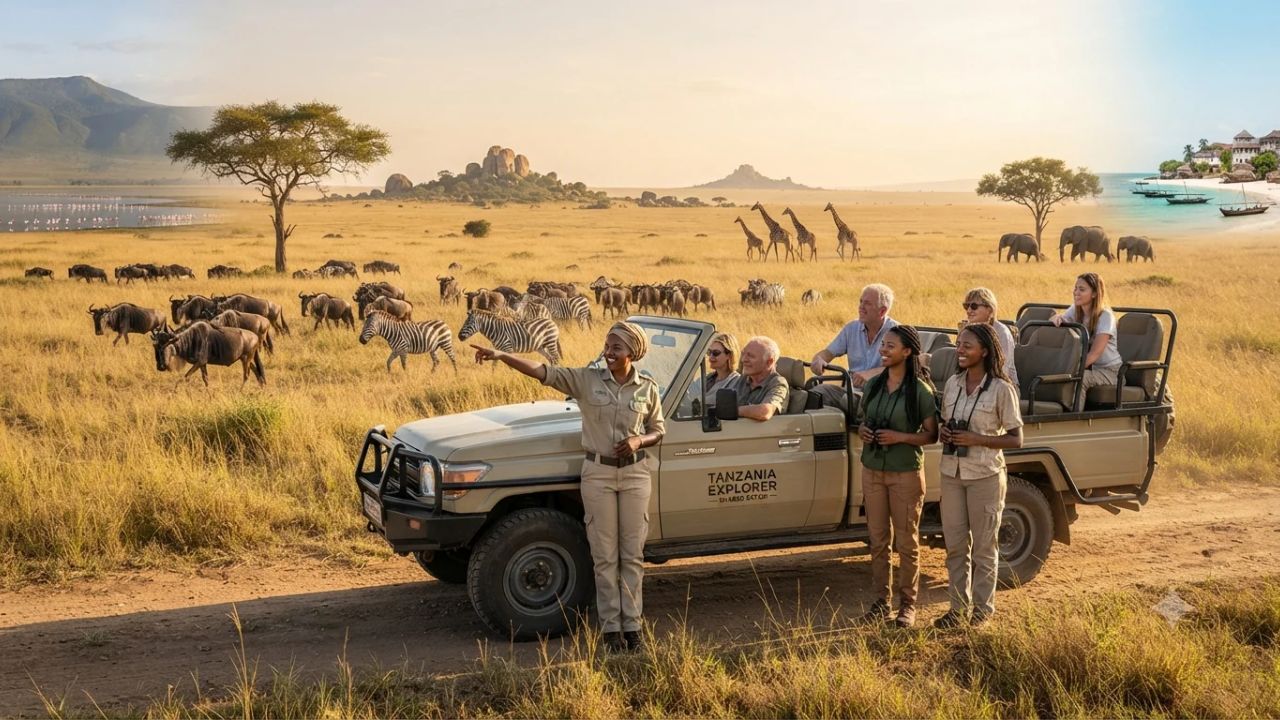
Tanzania Expands Twice-Weekly Shared Wildlife Safaris for 2027: UK, Italy, and Netherlands Markets Connect Northern Circuit with Zanzibar

Mainland China, Russia and Others Drive Hong Kong’s Tourism Surge as Arrivals Climb by 12%