
South Africa Immigration Crisis 2026: Why Foreign Nationals Are Fleeing Ahead of June 30 Enforcement Deadline
South Africa's tightened immigration enforcement is triggering mass departures, border chaos, and regional pressure. Here's what travelers and migrants need to know about the June 30, 2026 deadline and its ripple effects across Southern Africa.

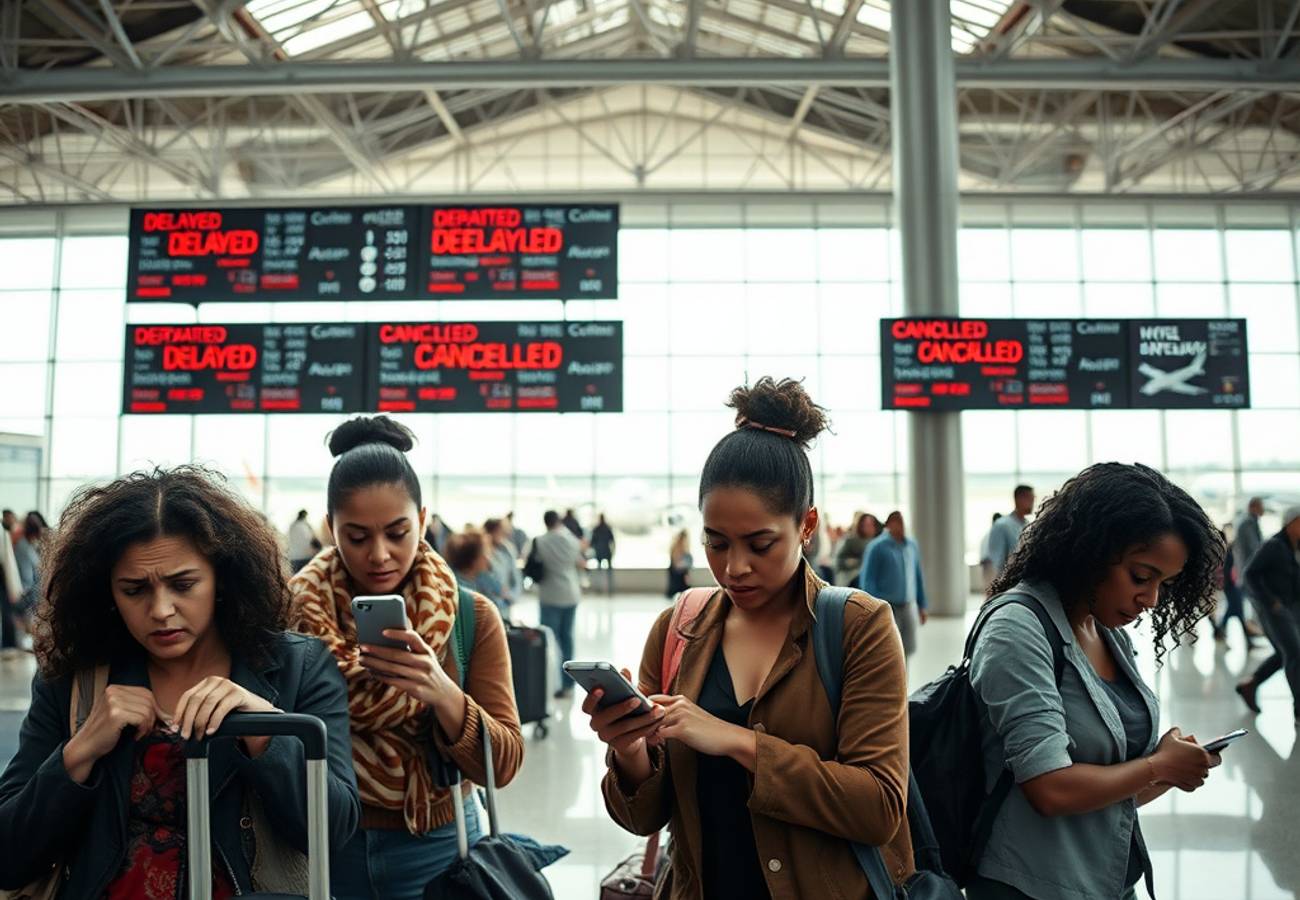
Image generated by AI
The Mass Exodus Begins: What's Happening Right Now
South Africa is experiencing an unprecedented wave of emigration as foreign nationals rush to leave the country ahead of a critical June 30, 2026 enforcement deadline. According to the Department of Home Affairs and SAPS (South African Police Service), coordinated immigration crackdowns combined with rising xenophobic tensions have triggered a domino effect: stricter border controls, longer processing delays, and coordinated repatriation flights across the region.
The situation isn't a sudden crisis—it's the culmination of months of escalating enforcement rhetoric, public protests, and documented incidents targeting migrant communities. What's new is the visibility. For the first time, the humanitarian and travel consequences are spilling into mainstream consciousness, affecting not just migrants, but anyone attempting to cross South African borders.
Reddit: "Border wait times have jumped from 30 minutes to 3+ hours. The police presence at Jo'burg airport is unlike anything I've seen before." — r/travel
Border Chaos: Processing Times Double, Anxiety Soars
Across key entry and exit points—Johannesburg, Cape Town, Durban, and rural crossing points—authorities have implemented heightened screening protocols. What travelers are reporting on the ground tells a stark story.
Longer processing times at border posts are now the norm. Document verification procedures have become exhaustive, with officials cross-referencing digital databases against physical records. The increased police and border patrol presence is visibly more pronounced than even three months ago, and occasional disruptions near transport corridors during protests have created unpredictability for travelers with tight schedules.
For business travelers and tourists, this translates into missed connections, delayed visa approvals, and heightened anxiety about documentation compliance. Immigration lawyers across Southern Africa report a surge in clients seeking clarity on entry requirements and compliance protocols.
The Repatriation Wave: Thousands on the Move
One of the most striking developments is the voluntary and involuntary exodus of undocumented migrants. Home Affairs has been coordinating repatriation flights with partner governments—a massive logistical undertaking that involves processing, transportation, and reception arrangements in origin countries.
Large informal settlements in urban centers like Johannesburg and Cape Town have experienced visible thinning. Migrants have congregated at shelters and diplomatic offices, waiting for government-coordinated return arrangements. These scenes—while reflective of ongoing policy—have intensified in the final weeks leading to the June 30 deadline.
Key repatriation activity includes:
- Increased coordinated flights to origin countries
- Formal deportation processing for undocumented migrants
- Large-group movements out of informal settlements
- Cross-border movement into neighboring countries like Zimbabwe, Botswana, and Mozambique
Neighboring nations are now managing reintegration challenges, absorbing returned citizens with limited preparation.
Xenophobia and Street-Level Violence: The Human Cost
Beyond policy enforcement lies a darker current: xenophobia in South Africa has reached a political boiling point. Anti-immigration protests have erupted in multiple cities, sometimes escalating into unrest targeting migrant-owned businesses and residential areas.
Police are investigating incidents involving violence, property damage, and organized targeting of foreign nationals. Migrant communities report heightened fear, accelerating decisions to leave. Humanitarian agencies—including the UN Office for the Coordination of Humanitarian Affairs and local NGOs—have raised alarms about protection gaps and the criminalization of vulnerable populations.
The political dimension is impossible to ignore: xenophobia has become weaponized in public discourse. Economic grievances, labor competition narratives, and demographic anxieties are being channeled into policies and street-level action that directly endanger migrants regardless of legal status.
Travel Disruptions and Advisory Warnings
International travelers should understand: South Africa is not closed. Tourism continues. But the operating environment has become less predictable.
Travel alerts are now commonly referenced when advisors brief clients on Southern Africa trips. The situation resembles a slowly deteriorating weather pattern—not a sudden storm, but conditions getting progressively worse.
Common travel impacts include:
- Sudden delays in road transport due to demonstrations in urban centers
- Temporary disruptions near major cities during protest activity
- Heightened screening at airports and border crossings
- Increased need for documentation readiness and compliance verification
Flexibility has become essential. Tour operators report increased cancellations and rebooking requests. Airlines are adjusting ground handling procedures to account for longer security and immigration processing windows.
The Regional Domino Effect
South Africa's immigration crackdown doesn't exist in isolation. The entire Southern African region is feeling pressure from mass movement, repatriation logistics, and policy harmonization discussions.
Botswana, Zimbabwe, Namibia, and Mozambique are managing influxes of returning nationals and transit migrants. Border communities are experiencing resource strain. The Southern African Development Community (SADC) framework is being tested as nations navigate conflicting interests: labor demand, humanitarian obligations, and sovereignty concerns.
For regional travelers planning cross-border itineraries, this creates compound uncertainty. What was once a seamless route from Johannesburg to Victoria Falls to Livingstone now involves multiple border encounters, each with unpredictable processing times.
Who's Most Affected: Migrants, Travelers, Workers
The crisis creates concentric circles of impact:
Undocumented migrants face the greatest risk: deportation, detention, and loss of livelihood.
Documented migrants experience discrimination, heightened scrutiny, and psychological pressure. The legal pathway offers less protection than it should.
International travelers encounter delays and must mentally prepare for stricter screening than typical.
Regional business travelers face scheduling uncertainty and compliance complexity.
Tourism operators are adapting capacity and pricing to reflect volatility.
What Official Channels Are Saying
The Department of Home Affairs maintains that enforcement is lawful and necessary. Officials emphasize that safety protocols are in place, that violence is being investigated, and that the government is managing movement responsibly.
Yet the gap between official messaging and street-level reality is significant. Delays are worse than expected. Safety concerns are documented. The humanitarian consequences are visible to anyone paying attention.
For travelers, the official guidance is clear: monitor updates continuously, maintain valid documentation, and avoid areas experiencing active protest or unrest.
Practical Guidance for Travelers and Migrants
If you're planning to travel to South Africa:
- Check the latest travel advisories from your embassy
- Allow extra time for border processing (anticipate 2-3x normal wait times)
- Ensure all documentation is current and backed up digitally
- Avoid traveling during scheduled protest days if possible
- Book accommodations with flexible cancellation policies
- Monitor real-time traffic and security updates
If you're a migrant currently in South Africa:
- Verify your legal status and documentation immediately
- Consult with an immigration lawyer if your status is uncertain
- Register with your embassy if you're a foreign national
- Understand your rights regarding repatriation and voluntary return
- Document any incidents of harassment or discrimination
If you're a regional traveler:
- Plan for longer border crossing times
- Keep digital copies of all travel documents
- Consider hiring a travel logistics coordinator for complex itineraries
- Stay informed about protest schedules in major cities
- Maintain contact with your embassy throughout travel
The Bigger Picture: What This Reveals About Southern Africa
The South Africa immigration crisis of 2026 is a case study in how enforcement, inequality, xenophobia, and regional interdependence collide. It reveals the fragility of cross-border mobility in an unstable region. It demonstrates how political rhetoric can translate into real danger for vulnerable populations.
Most importantly, it shows that travel safety and migration policy are inseparable from justice considerations. You can't discuss travel alerts in South Africa without acknowledging the xenophobia driving the crisis. You can't advise tourists on processing times without recognizing that the delays reflect deliberate policy choices with humanitarian consequences.
For nomadlawyer readers—practitioners navigating law, travel, and borders—this crisis offers urgent lessons about documentation compliance, regional variation in enforcement, and the importance of staying ahead of policy shifts.
The June 30, 2026 deadline has arrived. What happens next will ripple across Southern Africa for months.
Related Travel Guides
Disclaimer
This article is for informational and educational purposes only. It does not constitute legal, financial, or professional advice. While we strive to provide accurate and up-to-date information, travel policies, regulations, and conditions change rapidly. Always verify information with official sources before making travel decisions. Nomad Lawyer makes no representations about the accuracy, reliability, completeness, or suitability of the information provided. Readers should consult qualified professionals for advice specific to their circumstances. The views expressed in this article are those of the author and do not necessarily reflect the views of Nomad Lawyer.
Preeti Gunjan
Contributor & Community Manager
A passionate traveller and community builder. Preeti helps grow the Nomad Lawyer community, fostering engagement and bringing the reader experience to life.
Learn more about our team →