
Libya Bans Citizens of Sudan, Ethiopia, Somalia, Eritrea as Government Tightens Border Controls in 2026
Eastern Libya authorities enforce sweeping entry ban for four African nations, disrupting regional travel and migration routes across North Africa in unprecedented crackdown.

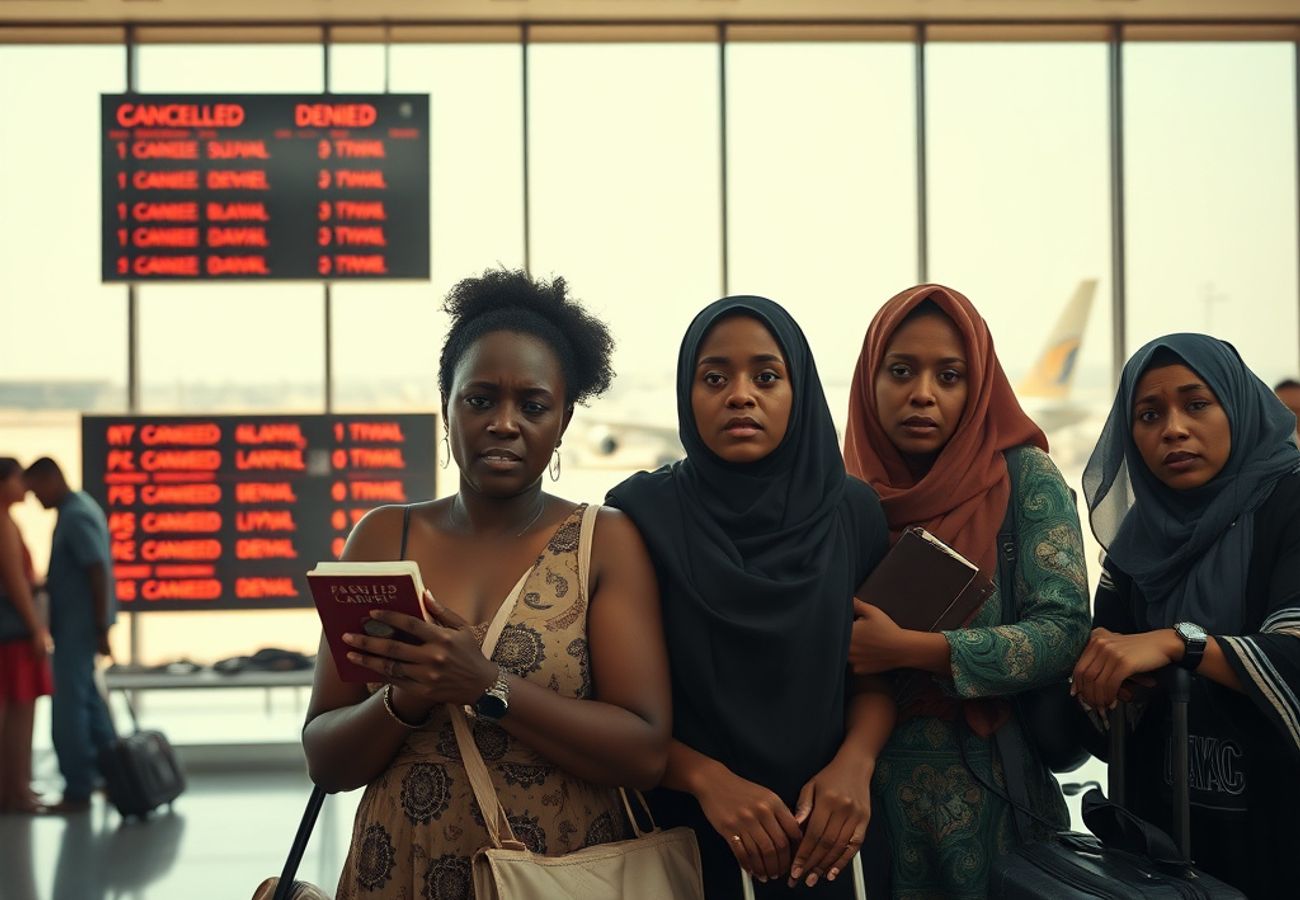
Image generated by AI
The hammer has dropped in North Africa. Eastern Libyan authorities have enacted a sudden and sweeping entry ban affecting citizens of Sudan, Eritrea, Ethiopia, and Somalia—a move that instantly reshapes travel logistics across one of the world's most volatile migration corridors.
This isn't a gentle policy adjustment. It's a blanket prohibition enforced at every land border, airport, and maritime port under eastern control. And it's happening now.
The Ban in Black and White
The restrictions are unambiguous. Citizens from the four listed countries face immediate denial of entry into Libya across all crossing points. Diplomats and select professionals in healthcare and education receive exemptions. Everyone else—tourists, business travelers, transit passengers—does not.
Enforcement began immediately with no phased rollout. There's no grace period. No grandfather clause for existing travel plans.
The policy applies to:
- All airports and aviation entry points
- Every land border crossing
- All maritime ports and coastal entry zones
- Both official and informal checkpoints in eastern territories
Reddit: "Just had a friend turned away at Benghazi airport—no warning, no appeal process. The new ban is real and it's being enforced hard." — r/travel
Why Now? Understanding the Trigger
Libya's eastern authorities cite mounting migration pressure as the primary driver. The country remains the Mediterranean's primary funnel—a desperate corridor where hundreds of thousands attempt passage toward Europe annually.
The decision stems from several documented pressures:
Accelerating irregular movement from conflict zones in East Africa. Border towns are overwhelmed. Smuggling networks exploit gaps in enforcement. Mediterranean crossing attempts continue hitting record numbers. Political instability makes governance increasingly difficult.
These aren't abstract concerns. Libya hosts approximately 700,000 migrants and refugees according to international agencies—many undocumented, many vulnerable.
The Ground Reality: What This Actually Changes
For travelers, this isn't theoretical. The impact is immediate and disruptive.
If you hold a Sudanese, Eritrean, Ethiopian, or Somali passport, you cannot enter Libya. Full stop. Transit routes that previously threaded through Libyan territory now require complete rerouting. Flights connecting through Tripoli or Benghazi may be unavailable. Border crossings that operated for decades are now closed to these nationalities.
For humanitarian organizations operating in Libya, the complications multiply. Aid workers, NGO personnel, and development professionals face new administrative hurdles. Logistics networks designed around free movement require restructuring.
Airlines and regional carriers are already adjusting schedules. Overland transit operators are identifying alternative corridors through Niger, Chad, and other neighbors—corridors that add weeks and exponentially increase costs.
The Enforcement Question: Libya's Divided System
Here's where it gets complicated: Libya isn't unified. Power is fractured between eastern and western administrations. This creates a critical enforcement gap.
The ban originated from eastern authorities—meaning it applies only in territories they control. Western Libya, nominally under different governance structures, may enforce differently or not at all. A traveler denied entry at Benghazi airport might theoretically attempt entry through a western crossing, though such attempts carry serious legal and safety risks.
This fragmentation means:
Enforcement is geographically inconsistent. Rules applied at one checkpoint may not apply fifty kilometers away. Sudden policy reversals are common. Border officials operate with limited coordination.
For travelers, this unpredictability is maddening. It also makes accurate travel advisories nearly impossible to write.
The Human Cost
Numbers matter, but people matter more.
Thousands of migrants already inside Libya now face a closed border—unable to move forward or return home. Family separation intensifies as movement becomes impossible. Vulnerable populations in detention facilities across Libya face worsening conditions as the humanitarian situation tightens.
International organizations report overcrowding, inadequate medical care, and minimal due process in detention centers. The new entry restrictions likely increase pressure on these systems as frustrated travelers attempt informal crossing methods or seek shelter in Libyan cities while awaiting legal pathways that may never materialize.
Women and children form a disproportionate share of those caught in limbo. Trafficking networks exploit the uncertainty. Smuggling operations expand to fill enforcement gaps.
This isn't a footnote to border policy—it's a humanitarian emergency wearing a policy label.
Regional Ripple Effects
Libya doesn't exist in isolation. This ban is part of a continent-wide tightening.
Countries across Africa are implementing similar restrictions as migration pressures mount at borders. Libya's decision reinforces a troubling trend: selective nationality-based restrictions that disproportionately affect the world's poorest and most desperate populations.
Alternative migration routes will shift. Pressure on neighboring countries intensifies. Tunisia, Egypt, and Chad may see increased crossing attempts. Informal networks—smugglers and traffickers—become relatively more attractive as formal pathways close.
For regional travel overall, predictability erodes further. Business travelers, tourists, and professionals now factor Libya into risk calculations in ways they didn't before.
What Travelers Need to Know Right Now
If you hold a passport from Sudan, Eritrea, Ethiopia, or Somalia, do not attempt entry into Libya. You will be denied. Detention may follow.
If you're planning regional travel through North Africa, eliminate Libya from itineraries connecting these countries. Factor extra travel time and cost into routing decisions.
If you work for an NGO or humanitarian organization, coordinate with Libyan authorities immediately to clarify your exemption status. Document everything. Prepare for delays.
If you're monitoring migration patterns or studying Mediterranean crossings, recognize that this policy reshapes movement in real-time. Alternative routes are already forming.
Travel insurance typically doesn't cover political travel bans, so verify your policy language carefully.
Staying Updated in a Fluid Situation
Libya's governance remains unstable. Policy can shift overnight. Eastern and western authorities operate independently, creating inconsistency that makes accurate real-time information essential.
Check official travel advisories from your government before any movement in the region. Contact the Libyan embassy or consulate in your country for current guidance—though response times may be slow. Monitor humanitarian organization reports for ground-level information.
This situation will evolve. Staying informed isn't optional; it's operational necessity.
Watch this space—Libya's border policy is writing itself in real-time, and travelers need to read every update.
Related Travel Guides
Disclaimer
This article is for informational and educational purposes only. It does not constitute legal, financial, or professional advice. While we strive to provide accurate and up-to-date information, travel policies, regulations, and conditions change rapidly. Always verify information with official sources before making travel decisions. Nomad Lawyer makes no representations about the accuracy, reliability, completeness, or suitability of the information provided. Readers should consult qualified professionals for advice specific to their circumstances. The views expressed in this article are those of the author and do not necessarily reflect the views of Nomad Lawyer.
Kunal K Choudhary
Co-Founder & Contributor
A passionate traveller and tech enthusiast. Kunal contributes to the vision and growth of Nomad Lawyer, bringing fresh perspectives and driving the community forward.
Learn more about our team →