
South Africa Launches Digital ETA System: How Visa Modernization Across Africa Is Reshaping Safari Travel

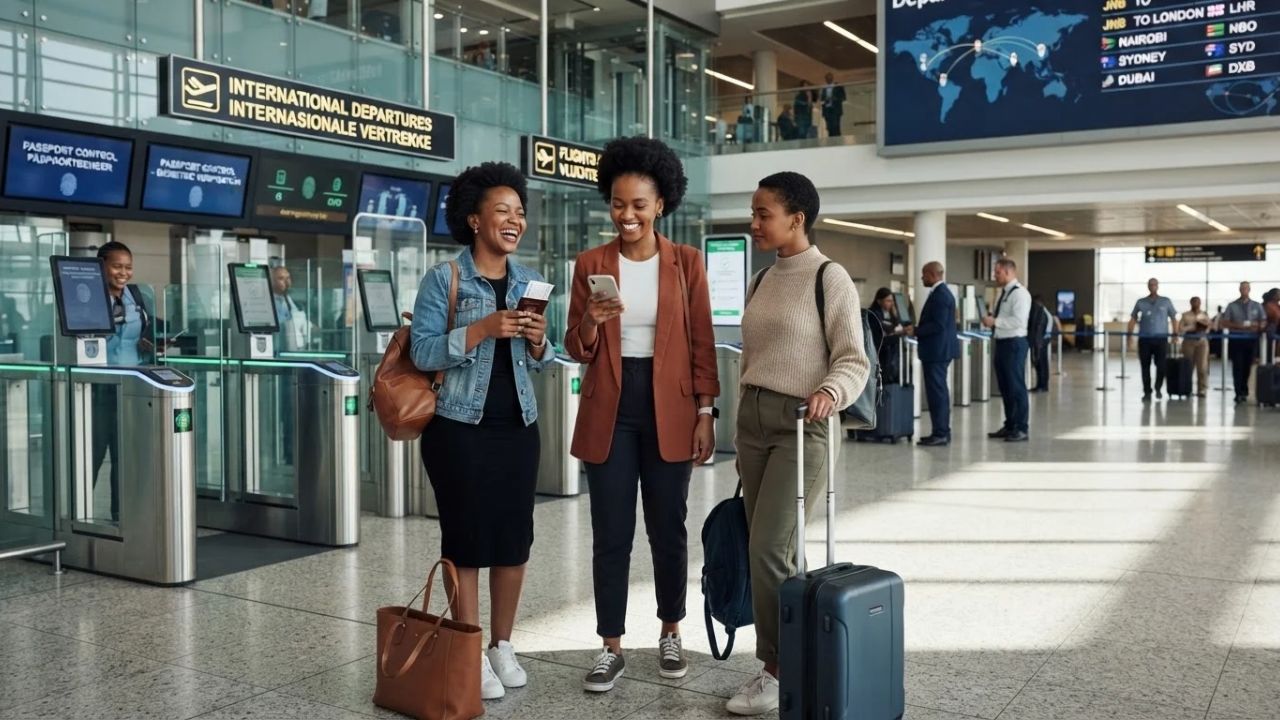
Joining a worldwide transition toward frictionless border management, South Africa has accelerated the implementation of its national Electronic Travel Authorisation (ETA) system, replacing cumbersome paper-based consular visa applications with secure, digital pre-screening. Spearheaded by the Department of Home Affairs (DHA) on September 13, 2026, the technology overhaul aligns South Africa with Kenya’s pioneering digital eTA model, unlocking seamless travel access for international safari enthusiasts, leisure voyagers, and long-haul markets including Ukrainian visitors.
The rapid rise of digital border screening marks a defining transformation in international mobility. For decades, complex visa requirements, mandatory in-person embassy interviews, and prolonged consular wait times acted as major deterrents for prospective travelers considering African destinations. By integrating biometric validation, machine-readable passport verification, and automated background checks into an intuitive web interface, South Africa is removing travel friction and sharpening its competitive edge against traditional safari powerhouses and global sun destinations.
The Local Trend Revealed: The Digital Border Revolution Across the African Continent
The digital transition taking place across South African border agencies reflects an international movement to balance national security with tourism growth.
Under the framework developed by South Africa’s Department of Home Affairs, the ETA platform replaces physical stamp-in-passport procedures with electronic authorizations tied directly to travelers' biometric passport chips. Eligible international visitors can complete their entry applications remotely, upload required documentation, submit facial biometrics, and receive travel clearance within hours of submission.
A prominent immediate beneficiary of this digital reform is Ukraine. Historically, Ukrainian travelers planning holidays, family reunions, or commercial expeditions to South Africa faced complex consular procedures, including mandatory physical visits to distant embassies and extensive certified translations. The digital ETA portal eliminates these administrative hurdles, establishing an accessible digital bridge that encourages long-haul leisure exploration from emerging European markets.
This transition follows Kenya’s landmark operational pivot, which replaced traditional entry visas with a streamlined electronic Travel Authorisation (eTA) system. By enabling global travelers to clear entry authorizations before boarding flights to Nairobi or Mombasa, Kenya demonstrated that digital pre-screening directly accelerates arrivals to iconic wilderness sanctuaries such as the Maasai Mara National Reserve, Amboseli National Park, and coastal beach enclaves.
Global and Regional Comparative Analysis of Modern ETA Systems
| Nation / Blocs | Border Authorization Model | Implementation Scope | Primary Strategic Objective |
|---|---|---|---|
| South Africa | Digital Electronic Travel Authorisation (ETA) | Department of Home Affairs online platform | Replaces slow consular bureaucracy; opens access for markets like Ukraine |
| Kenya | Universal electronic Travel Authorisation (eTA) | Online application before departure | Frictionless safari arrivals for Maasai Mara, Amboseli, and coastal resorts |
| United Kingdom | UK Electronic Travel Authorisation (ETA) | Phased global rollout for visa-exempt travelers | Advanced security pre-screening linked directly to biometric passports |
| Canada | Electronic Travel Authorization (eTA) | Mandatory for visa-exempt air arrivals | Streamlined transpacific and transatlantic air transit screening |
| Saudi Arabia | Unified eVisa and Digital Entry Platforms | Vision 2030 digital expansion | Accelerated access for Riyadh, Jeddah, AlUla, and the Red Sea Project |
| Thailand | Upgraded Electronic Visa & Border Processing | Tourism authority and immigration coordination | Preserves regional competitiveness across Bangkok, Phuket, and Chiang Mai |
| Australia | Digital Visa & Biometric Identity Verification | Electronic Travel Authority (Subclass 601) | Automated digital processing for international leisure and business flyers |
| European Union | EES (Biometrics) & ETIAS (Travel Authorisation) | Comprehensive Schengen border framework | Automated biometric entry tracking and pre-travel security clearances |
Economic Dividends: How Frictionless Access Fuels Southern African Tourism
For tourism-dependent economies, modernizing visa systems yields immediate commercial returns. Inbound travel generates substantial foreign exchange earnings, sustains millions of hospitality jobs, and provides essential funding for national park conservation.
When visa barriers are lowered, average trip planning windows shorten significantly. Travelers who previously avoided South Africa due to lengthy six-week embassy delays can now arrange spontaneous holidays, pairing metropolitan cultural stays in Cape Town with world-class wine tastings in Stellenbosch and big-game safaris in Greater Kruger.
Furthermore, digital travel clearance facilitates multi-destination regional itineraries across Southern Africa. International visitors can land in Johannesburg’s O.R. Tambo International Airport (JNP), embark on game drives through Sabi Sands, cross into neighboring Botswana or Zimbabwe for Victoria Falls, and re-enter South Africa effortlessly without navigating repetitive, expensive paper-visa renewals.
Cultural & Environmental Value: Safari Conservation and Community Empowerment
Lowering entry barriers directly bolsters wildlife conservation and regional community development, ensuring that tourism benefits the natural world.
Financing Anti-Poaching and Wilderness Protection
South Africa's premier wildlife reserves—including Kruger National Park, Hluhluwe-iMfolozi Park, and private concessions in the Waterberg—depend on conservation levies paid by international visitors.
Revenues generated by higher tourist volumes finance 24-hour armed anti-poaching patrols, veterinary interventions for endangered white and black rhinos, wildlife tracking collars, and community fence maintenance. Without sustained international tourism spending, funding for these critical wildlife sanctuaries faces severe shortfalls.
Uplifting Rural Safari Communities
In rural provinces like Limpopo, Mpumalanga, and KwaZulu-Natal, eco-safari lodges operate as the primary formal employers.
Through fair-wage employment, culinary training programs, and tracker apprenticeships, local Shangaan, Zulu, and Pedi community members build sustainable, generational careers. Additionally, community-owned safari concessions ensure that a percentage of nightly lodge tariffs is paid directly into tribal trusts, financing rural clean water boreholes, school computer laboratories, and local healthcare clinics.
Visitor Insider Tips: Application Logistics, Minor Travel Rules, and Safari Etiquette
For international voyagers preparing to utilize South Africa’s new ETA system, these local specialist recommendations ensure an effortless journey:
- Navigating the Official ETA Portal: Submit your digital ETA application via the Department of Home Affairs official portal at least 72 hours prior to flight departure. Ensure your passport is valid for at least 30 consecutive days beyond your planned departure date from South Africa and contains at least two completely blank visa pages for border control stamps.
- Strict Regulations for Traveling with Minors: South Africa enforces rigorous entry regulations for travelers accompanied by children under the age of 18. In addition to a valid passport and approved ETA, parents should carry an unabridged birth certificate (showing the names of both biological parents). If traveling with only one parent, a notarized Parental Consent Affidavit from the non-accompanying parent is legally required.
- Health and Vaccine Documentation: If transiting through or arriving from a country located in the Yellow Fever belt of central Africa or South America, you must present a valid Yellow Fever vaccination certificate upon arrival at immigration checkpoints.
- Safari Etiquette and Wildlife Safety:
- Vehicle Discipline: During open-vehicle game drives, never stand up, lean outside the vehicle frame, or shout to get an animal’s attention; animals perceive the vehicle as a single harmless shape.
- Whisper in the Bush: Keep conversation to quiet whispers when approaching Big Five game (lions, leopards, rhinos, elephants, Cape buffalo).
- Drone Ban: The operation of recreational drones is strictly prohibited across all South African National Parks (SANParks) and private nature reserves, carrying immediate confiscation and hefty fines.
- Authentic South African Culinary Specialties:
- The Traditional Braai: Savor meat grilled over aromatic indigenous hardwood coals, including spiced boerewors (coriander and clove beef sausage), tender lamb chops, and sosaties (marinated meat skewers).
- Cape Malay Bobotie: A beloved historical dish of spiced minced beef or lamb baked with bay leaves and topped with a creamy egg-and-milk custard, served with yellow turmeric rice, sliced banana, and sweet fruit chutney.
- Bunny Chow in Durban: Savor this iconic coastal street food—a hollowed-out quarter or half loaf of crusty white bread filled to the brim with rich, fiery mutton, chicken, or bean curry.
- Optimal Travel Seasons:
- Dry Winter Safari Season (May to September): Vegetation is dry and sparse, trees lose their leaves, and wildlife congregates predictably around active waterholes, providing the best game-viewing conditions alongside minimal malaria risk.
- Coastal Summer Season (November to March): Ideal for beach holidays along the Garden Route, outdoor dining along Cape Town’s V&A Waterfront, and vineyard tours across Franschhoek and Paarl.
Tourism Outlook: Digital Modernization Secures Africa's Travel Future
The expansion of South Africa's ETA system alongside Kenya's proven digital model signals a confident, technology-driven future for African tourism.
By shedding outmoded bureaucratic hurdles in favor of fast, secure digital authorization, African nations are redefining their relationship with global voyagers. As the worldwide race for international tourism investment intensifies, governments that invest in modern digital borders position themselves to welcome high-yield travelers with efficiency, warmth, and peerless natural wonder.
From the thunder of migratory herds across the savannah to the dramatic coastal vistas of the Cape of Good Hope, the journey to Africa now begins effortlessly—unlocking unforgettable cultural encounters and breathtaking wildlife spectacles for conscious adventurers worldwide.
Related Travel Guides
Malaysia Airlines Signs Seven Asia-Pacific Tourism Pacts at MATTA Fair 2026 to Boost Regional Travel
Sharjah Airport Expands Global Reach at ATM 2026: 19.4M Passengers and Terminal Upgrades
Disclaimer
This article is for informational and educational purposes only. It does not constitute legal, financial, or professional advice. While we strive to provide accurate and up-to-date information, travel policies, regulations, and conditions change rapidly. Always verify information with official sources before making travel decisions. Nomad Lawyer makes no representations about the accuracy, reliability, completeness, or suitability of the information provided. Readers should consult qualified professionals for advice specific to their circumstances. The views expressed in this article are those of the author and do not necessarily reflect the views of Nomad Lawyer.
Raushan Kumar
Founder & Lead Developer
Full-stack developer with 11+ years of experience and a passionate traveller. Raushan built Nomad Lawyer from the ground up with a vision to create the best travel and law experience on the web.
Learn more about our team →