
How Small-Ship Coastal Cruising is Reviving Historic Waterfront Tourism and Supporting Regional Economies in New England and Florida in 2026
American Cruise Lines launches the American Maverick for New England and Florida cruises. Discover sustainable travel practices and local insider tips.

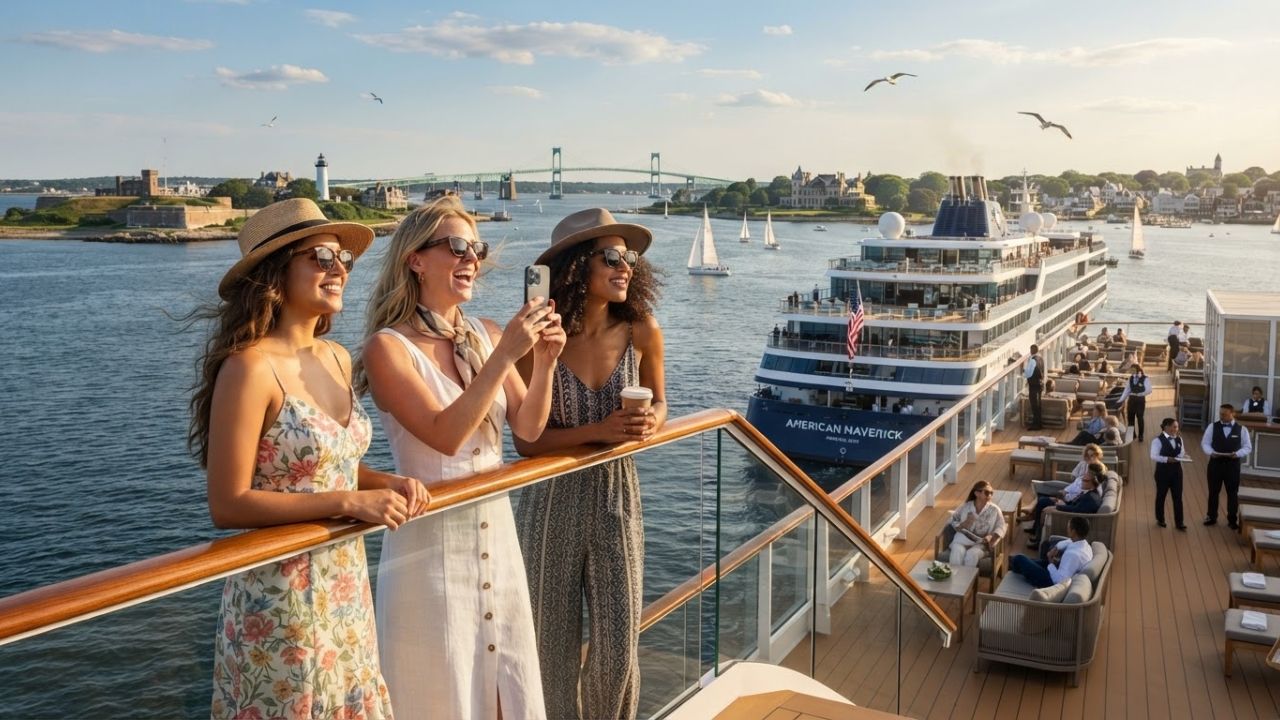
Image generated by AI
How Small-Ship Coastal Cruising is Reviving Historic Waterfront Tourism and Supporting Regional Economies in New England and Florida in 2026
The launch of the American Maverick small-ship coastal cruiser represents a growing trend toward intimate, destination-focused maritime travel along the U.S. East Coast. By accessing shallow-draft municipal harbors, this boutique vessel connects travelers with historic communities in New England and Florida.
The Local Trend Revealed
A clear shift is taking place in the cruise industry as travelers move away from mega-cruise ships toward smaller, more focused coastal vessels. This trend is highlighted by the debut of the American Maverick, a 130-passenger small ship designed specifically for shallow-draft coastal exploration. The vessel, christened in Newport, Rhode Island, operates regional itineraries that emphasize local history, environmental education, and community integration.
Rather than docking at remote, commercial cargo ports, this boutique vessel docks directly at town piers, allowing passengers immediate access to historical waterfronts. The ship's seasonal rotation includes a summer "New England Explorer" route departing from Boston and a winter "Florida Gulf Coast" schedule sailing roundtrip from St. Petersburg, starting in November 2026.
This development aligns with strategies from regional tourism departments, including the Maine Office of Tourism and VISIT FLORIDA. These organizations are promoting low-impact, small-scale maritime transit as a sustainable way to distribute visitor spending to coastal towns that rely on seasonal economies.
Cultural & Environmental Value (Information Gain)
- Direct Support of Local Port Economies: Because the American Maverick carries a small group of 130 passengers, its visits do not crowd local infrastructures. Instead, passengers spend directly at local shops, historical museums, and family-owned restaurants in destinations like Boothbay Harbor and Punta Gorda.
- Preserving Maritime Heritage: Excursions are organized in partnership with local cultural bodies, such as the Newport Historical Society. These tours focus on coastal preservation, local shipbuilding history, and regional maritime traditions.
- Low-Impact Marine Tourism: The vessel's small size allows it to navigate sensitive waterways, such as Florida's mangrove estuaries and New England's shallow harbors, without disturbing marine habitats. The ship's onboard systems are designed to minimize fuel consumption and waste generation compared to larger vessels.
The details of regional shore excursions and the specifications of the small-ship fleet are structured in the tables below:
Regional Destinations and Selected Shore Excursions
| Cruising Region | Port Stop | Cultural / Ecological Shore Activity | Local Economic Partner |
|---|---|---|---|
| New England | Newport, RI | Walking tour of historic colonial waterfront | Newport Historical Society |
| New England | Rockland, ME | Tour of Maine Lighthouse Museum and breakwater walk | Local heritage docents |
| New England | Boothbay Harbor, ME | Coastal botany walk and harbor footbridge tour | Regional botanical guides |
| Florida Coast | Key West, FL | Eco-tour of mangrove channels and marine sanctuary | Local kayak outfitters |
| Florida Coast | Punta Gorda, FL | Wildlife rehabilitation center visit and river walk | Peace River Wildlife Center |
Technical Specifications and Eco-Features of the Small-Ship Fleet
| Vessel Name | Passenger Capacity | Construction Location | Environmental Design Feature |
|---|---|---|---|
| American Maverick | 130 Guests | Salisbury, Maryland | Low-emission engines, shallow draft design |
| American Patriot | 130 Guests | Salisbury, Maryland | Energy-efficient LED lighting, recycled materials |
| American Pioneer | 130 Guests | Salisbury, Maryland | Advanced water purification, waste reduction |
| American Ranger | 130 Guests | Salisbury, Maryland | Efficient hull design, reduced wake technology |
Visitor Insider Tips
- Off-Peak Visit Windows: For the New England itineraries, book your cruise for mid-to-late September. This window allows you to see early autumn foliage and explore coastal villages without summer vacation crowds. For the Florida itineraries, late November to early December offers mild weather and quieter ports before the winter holiday travel peak.
- Local Cultural Etiquette: When walking active docklands in Maine, yield the right-of-way to commercial fishing and lobster boat crews preparing their gear. In Florida, observe wildlife conservation rules: maintain a safe distance of at least 50 feet from nesting shorebirds, dolphins, and manatees, and avoid throwing food or waste into the water.
- Local Dining Specialties: In Rockland, Maine, visit the local dockside shacks for a hot, butter-dripped lobster roll. In Key West, try traditional conch fritters and authentic Key lime pie sourced from local, family-owned bakeries.
- Under-the-Radar Spots: In Boothbay Harbor, take a walk across the historic harbor footbridge, built in 1901, for panoramic views of the water. In Punta Gorda, visit the Peace River Wildlife Center, a quiet, non-profit animal rehabilitation sanctuary nestled in Ponce de Leon Park.
Tourism Outlook
The launch of the American Maverick indicates a promising future for domestic, small-ship coastal tourism. By providing a sustainable way to visit historic waterfronts, this boutique vessel helps protect local cultures and environments while supporting regional economies.
As traveler interest in sustainable and destination-focused travel grows, the small-ship model provides a practical alternative to mega-cruise liners. By prioritizing local partnerships, responsible environmental practices, and small-town tourism, these coastal cruises show how travel can support community development along America's historic coastlines.
FAQ: Small-Ship Coastal Tourism
How does small-ship cruising support local economies?
Because the ships dock at municipal town piers, passengers can easily walk into town, spending directly at local businesses, museums, and restaurants without crowding the local infrastructure.
What is the best time of year to cruise New England for foliage?
Mid-to-late September is the ideal time to experience early autumn foliage along the New England coast while avoiding summer holiday crowds.
What wildlife conservation rules should passengers follow in Florida?
Travelers should maintain a distance of at least 50 feet from manatees, dolphins, and nesting shorebirds, and ensure no trash is disposed of in the water.
Related Travel Guides
- How Portland is Leading Sustainable Urban Tourism Innovations Through the Destinations International Annual Convention in 2026
- How Global Security Advisories are Reshaping Geopolitical Travel Planning and Destination Choices for International Travelers in 2026
- US States Including Arizona, Utah, and Virginia Launch Strategic Tourism Initiatives to Accelerate Travel Growth and Event Capacity in 2026
Disclaimer
This article is for informational and educational purposes only. It does not constitute legal, financial, or professional advice. While we strive to provide accurate and up-to-date information, travel policies, regulations, and conditions change rapidly. Always verify information with official sources before making travel decisions. Nomad Lawyer makes no representations about the accuracy, reliability, completeness, or suitability of the information provided. Readers should consult qualified professionals for advice specific to their circumstances. The views expressed in this article are those of the author and do not necessarily reflect the views of Nomad Lawyer.
Kunal K Choudhary
Co-Founder & Contributor
A passionate traveller and tech enthusiast. Kunal contributes to the vision and growth of Nomad Lawyer, bringing fresh perspectives and driving the community forward.
Learn more about our team →