
Paraguay, Palau, and Uzbekistan Emerge as Top Underrated Travel Destinations in 2026
Global travelers are abandoning overcrowded hotspots for Paraguay, Palau, and Uzbekistan in 2026, seeking authentic experiences and better value in lesser-known destinations reshaping international tourism.

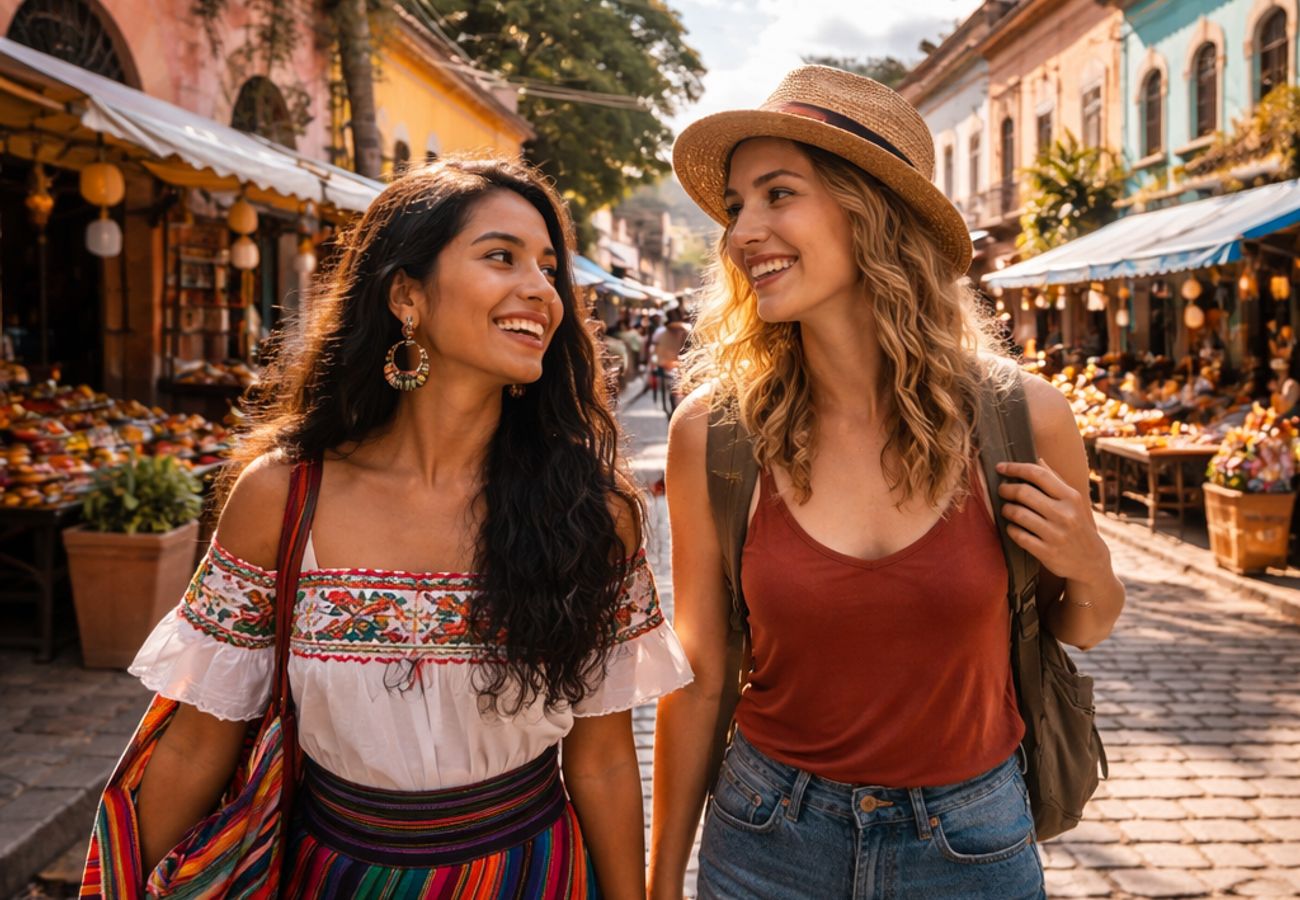
Image generated by AI
The Great Escape: Why Travelers Are Abandoning the Mainstream in 2026
International tourism has reached a critical turning point. Travelers worldwide are deliberately steering away from overcrowded city centers and conventional holiday hotspots, choosing instead to explore quieter nations that deliver cultural depth and genuine natural experiences.
This seismic shift in travel behavior is reshaping how millions move across continents. According to recent tourism data, demand for unique, lesser-known destinations is rising steadily, with travelers prioritizing meaningful journeys over cookie-cutter sightseeing.
Reddit: "I spent two weeks in Paraguay last year and barely saw another tourist. It's the travel experience everyone should have—real culture, real people, no Instagram crowds." — r/travel
The reasons are multifaceted: economic pressures on traditional tourism hubs have inflated prices beyond reason, while social media and digital travel communities are simultaneously illuminating destinations once considered remote or inaccessible. Tourism boards in smaller countries are now witnessing unprecedented international interest and measurable visitor growth.
Paraguay: South America's Hidden Cultural Treasure
Paraguay is quietly becoming one of 2026's most compelling travel choices in South America. Located in the heart of the continent, this nation offers a striking combination of untamed natural landscapes and rich cultural heritage that few travelers have experienced firsthand.
What makes Paraguay distinctive? Visitors are discovering pristine rivers, expansive wetlands, and historical towns that retain authentic character—precisely because they haven't been bulldozed into theme parks. The atmosphere remains refreshingly relaxed and free from aggressive commercial tourism infrastructure.
Compared to its more famous neighbors Argentina, Brazil, and Chile, Paraguay provides something rare: genuine immersion without the traveler crowds. Government-led tourism initiatives have systematically improved visibility and accessibility for international visitors, resulting in steady growth in tourist arrivals over recent years.
The value proposition is undeniable. Your travel dollar stretches further here while delivering experiences that feel genuinely unmediated by tourism marketing.
Palau: The Pacific's Eco-Tourism Pioneer
Palau, a small yet mighty island nation in the Pacific Ocean, is establishing itself as the 2026 destination for environmentally conscious travelers. The archipelago has become synonymous with marine biodiversity, pristine coral reefs, and waters so crystalline they seem unreal.
More importantly, Palau has positioned itself as a global leader in sustainable tourism practices—a distinction it takes seriously. Strict conservation policies protect marine ecosystems while still welcoming international visitors through carefully managed channels.
Tourism authorities have introduced innovative measures including marine protected areas and strict visitor regulations that balance environmental preservation with economic benefit. This careful balance has made Palau a model destination for responsible travel—proof that tourism and conservation aren't mutually exclusive.
Divers and nature enthusiasts are flocking here specifically because the underwater realm remains largely untouched. That's becoming increasingly rare globally.
Uzbekistan: The Silk Road Awakens
Uzbekistan is experiencing explosive growth in international tourism, fueled by its extraordinary cultural and historical inheritance. This Central Asian nation sits along the ancient Silk Road, home to several historic cities and architectural landmarks that rival anything in more established tourism destinations.
Travelers are increasingly retracing those legendary trading routes, exploring centuries-old mosques, and wandering through heritage sites that feel suspended in time. Cities like Samarkand and Bukhara deliver the historical weight that serious culture seekers crave.
What's changed? Substantial improvements in tourism infrastructure and visa accessibility have removed previous barriers to entry. According to recent tourism reports, Uzbekistan is now recognized as one of Central Asia's most promising cultural tourism destinations.
Reddit: "Uzbekistan blew my expectations away. The Silk Road history is everywhere, prices are incredibly reasonable, and most tourists haven't figured it out yet." — r/backpacking
The country offers something increasingly difficult to find: genuine historical authenticity combined with modern development and traveler-friendly amenities.
The Psychology Driving This Shift
Modern tourists in 2026 have fundamentally transformed expectations. They're no longer satisfied with standard package holidays or mass-produced experiences. They're seeking deeper cultural engagement, meaningful local interactions, and nature-based adventures that feel personal rather than performative.
Budget considerations amplify this shift. Many travelers are deliberately selecting destinations where their money stretches further while still delivering unique, memorable experiences. This economic logic is driving countries with untapped tourism potential directly into the global spotlight.
The old tourism model—concentrate visitors in famous cities, charge premium prices—is being replaced by a distributed, value-conscious approach that benefits emerging destinations immensely.
Digital Platforms Are Rewriting the Tourism Map
Social media and digital travel content have become the primary architects of modern travel decisions. Travel blogs, Instagram discoveries, and Reddit recommendations now influence destination choices more powerfully than traditional guidebooks ever did.
Hidden destinations are being discovered faster than ever before precisely because digital exposure is instantaneous and global. Tourism boards have smartly invested in online campaigns and influencer partnerships to attract international travelers, allowing smaller countries to compete directly with established tourism giants.
This digital visibility is fundamentally democratizing travel discovery. Unconventional routes are becoming increasingly attractive simply because awareness has reached critical mass.
A Long-Term Transformation Taking Shape
The rising prominence of Paraguay, Palau, and Uzbekistan reflects something deeper than a temporary travel trend. This represents a long-term structural transformation in how global tourism operates.
Rather than concentrating in major cities, tourism is becoming distributed across diverse regions. Experts widely expect this pattern to accelerate as travelers increasingly prioritize authenticity, sustainability, and affordability over prestige and convenience.
Countries once labeled "overlooked" are now positioned to benefit substantially from this ongoing shift. The global tourism map is expanding in real time, offering travelers fundamentally different choices than they had even five years ago.
For travelers genuinely seeking fresh adventures, fewer crowds, and memories that feel earned rather than purchased, these rising destinations represent compelling alternatives to the exhausted mainstream tourism circuit.
The map of global travel is being redrawn—and the future belongs to those willing to venture beyond the guidebook.
Related Travel Guides
Disclaimer
This article is for informational and educational purposes only. It does not constitute legal, financial, or professional advice. While we strive to provide accurate and up-to-date information, travel policies, regulations, and conditions change rapidly. Always verify information with official sources before making travel decisions. Nomad Lawyer makes no representations about the accuracy, reliability, completeness, or suitability of the information provided. Readers should consult qualified professionals for advice specific to their circumstances. The views expressed in this article are those of the author and do not necessarily reflect the views of Nomad Lawyer.
Raushan Kumar
Founder & Lead Developer
Full-stack developer with 11+ years of experience and a passionate traveller. Raushan built Nomad Lawyer from the ground up with a vision to create the best travel and law experience on the web.
Learn more about our team →